


Late 19th Century Copper
Late 19th century copper encompasses vessels, furnishings, and decorative works that display the varied metalworking techniques of the period.
Late 19th Century Copper
Late 19th century copper items range widely from functional domestic hearth equipment such as coal buckets, scuttles, and log boxes to decorative table items, trays, and vases. You will frequently encounter domestic utilitarian items alongside pieces influenced by the Arts and Crafts movement.
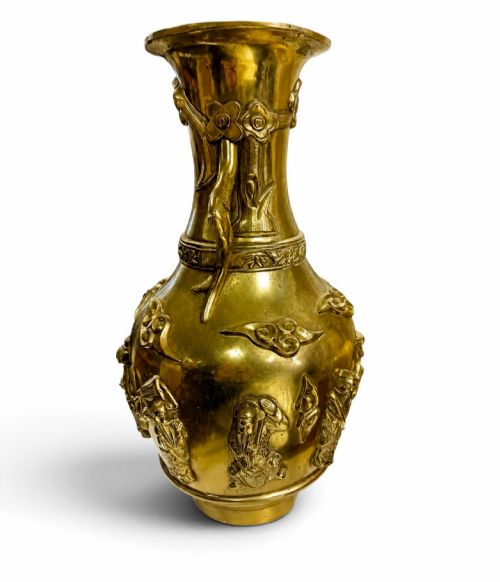
The selection also includes occasional tables with inset copper tops, floor lamps combining brass and copper, and lighting fixtures like lanterns and oil lamps. International origins appear across the material, including Indian repoussé work, Chinese copper-alloy vases, and Japanese cloisonné enamel trays.
European workshops contributed French jardinieres, finials, and electro-form jewellery caskets, alongside British items associated with the Arts and Crafts and Aesthetic movements. These varied forms reflect both everyday utility and distinct decorative agendas across different regions.
How they were made
Makers shaped the metal using hand-hammering, repoussé relief work, and casting, often combining copper with brass, iron, wood, or glass. Riveting and soldering joined structural components on larger items like buckets, coal scuttles, and fireside logs boxes.
Surface treatments included silver plating, nickel plating, gilding, and electro-forming to alter the appearance and texture of the base metal. Cloisonné enamel and inlaid wood further decorated specific trays and table tops.
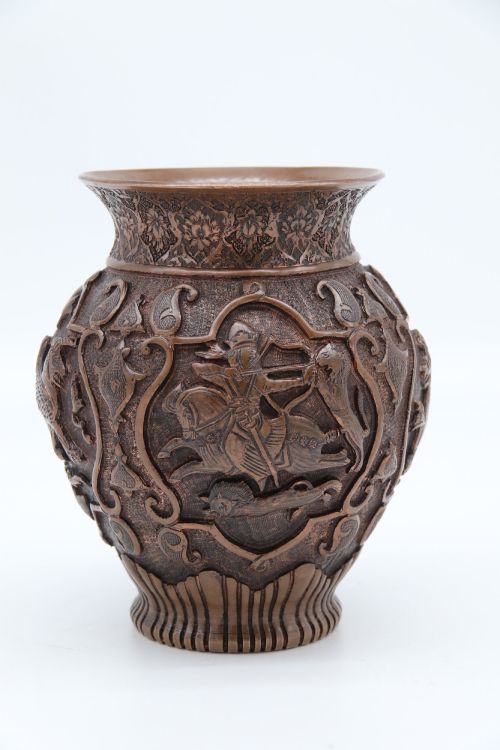
Designers utilised naturalistic motifs, high-relief figures, and geometric patterns achieved through sustained metalworking skills rather than mass-production stamping.
Object forms span practical kitchenware like jelly moulds and chocolate pots alongside decorative items including snuff bottles, weather vanes, and table lamps.
What varies in quality
Quality rests upon the crispness of the hand-hammering or repoussé relief and the integrity of the joins, handles, and feet. Heavier gauge metal indicates a more substantial construction that resists denting and maintains structural rigidity over decades of use.
The skill of the surface finish, whether an even electro-form plating, controlled gilding, or precise cloisonné enamel work, distinguishes standard utilitarian output from superior decorative pieces. Attributions to known designers or specific firms introduce further distinction to certain items.
Dr Christopher Dresser·Liberty and Co
The Late 19th Century Copper Glossary
- Repoussé
- A metalworking technique where the artisan hammers the metal from the reverse side to form a raised design on the front. This method creates decorative relief patterns on vases, trays, and wall mirrors.
- Cloisonné
- An ancient technique for decorating metalwork objects with colourful materials held in place by thin metal strips soldered to the base. It appears frequently on decorative trays and panels from the period.
- Electro-form
- A manufacturing process using electroplating to grow a metal shell over a mould or core. This technique allowed the production of detailed decorative caskets and trinket boxes.
- Bain Marie
- A heated water bath used in cooking to melt chocolate or gently warm ingredients. Surviving examples from the period are typically constructed from heavy gauge copper with side handles.
Late 19th Century Copper: Frequently Asked Questions
How do I clean late 19th century copper?
Maintenance depends on whether the metal retains an original aged patina or a protective lacquer. Harsh chemical polishes can strip historic surfaces, so gentle dusting or specialised metal creams are preferred depending on the finish.
Utilitarian items intended for active fireside use often benefit from light cleaning, while decorative panels and miniature oil paintings on copper require careful handling to preserve the original metal and paint layers.
Were these items meant for daily use?
Many items in this category served practical domestic functions in Victorian and Edwardian households. Coal scuttles, jelly moulds, pans, kettles, and log boxes were built for heavy kitchen and hearth duties.
Other objects, such as cloisonné trays, occasional tables, and decorative caskets, were designed primarily for display in domestic interiors, reflecting the varied applications of the metal.
How do I spot Arts and Crafts copper?
Arts and Crafts pieces typically display visible hand-hammered marks, riveted construction, and honest joins rather than hidden machine fabrication. Forms tend to be straightforward and functional, inspired by natural shapes and medieval design.
Tray tables, buckets, and candlesticks from this movement often lack excessive ornamentation, relying instead on the texture of the hammered metal surface for visual interest.
Can I use a copper log box by the fire?
Solid metal log boxes and coal buckets are structurally suited to hold firewood near a hearth. Their robust construction of copper combined with iron or brass handles allows them to support heavy loads of wood or coal.
Care should be taken to protect antique finishes from moisture and ash residue to maintain the appearance of the metal over time.