
Vintage Metal Bucket
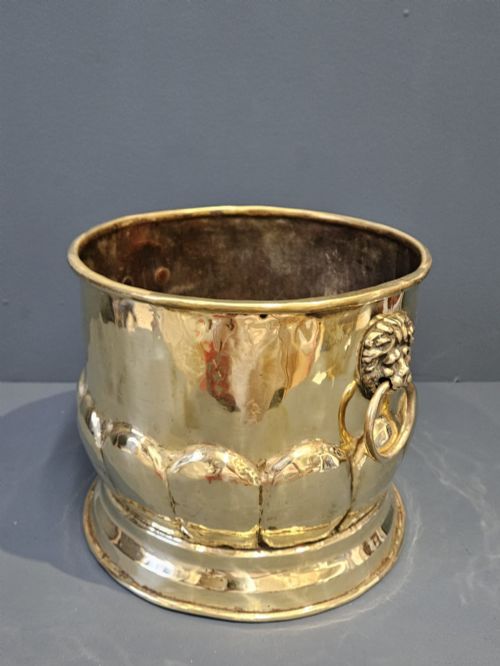
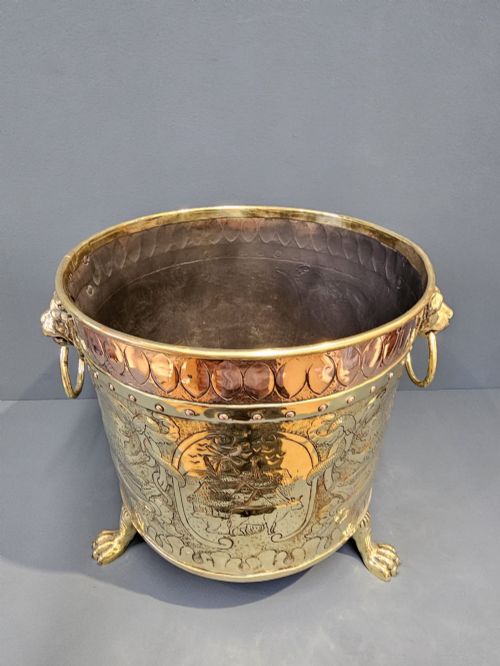
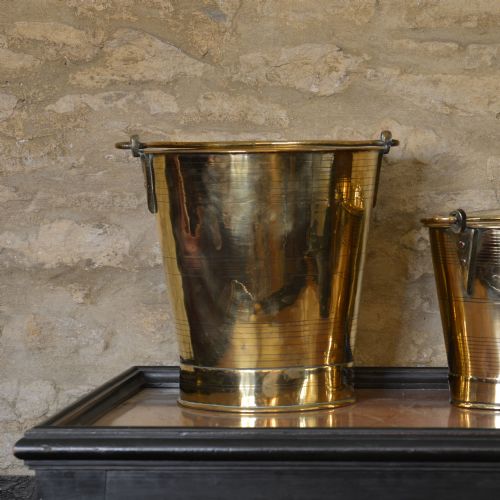
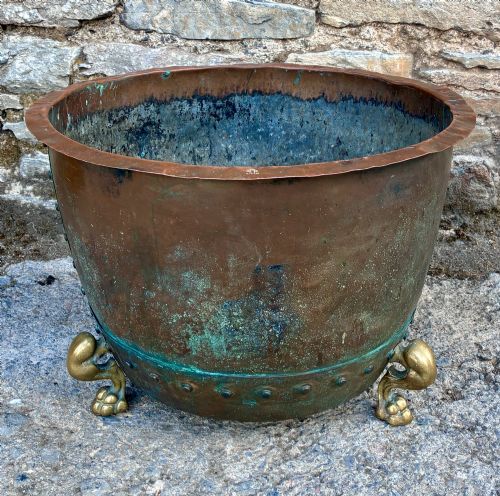
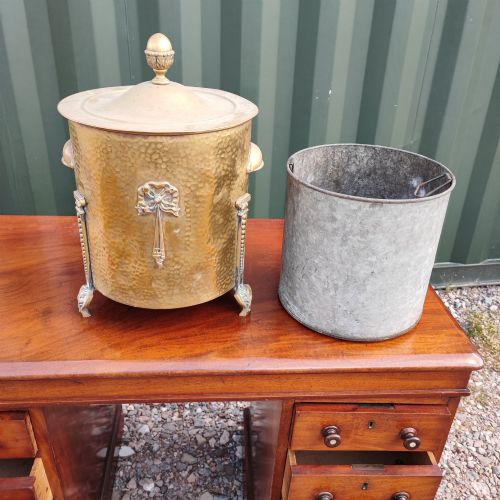
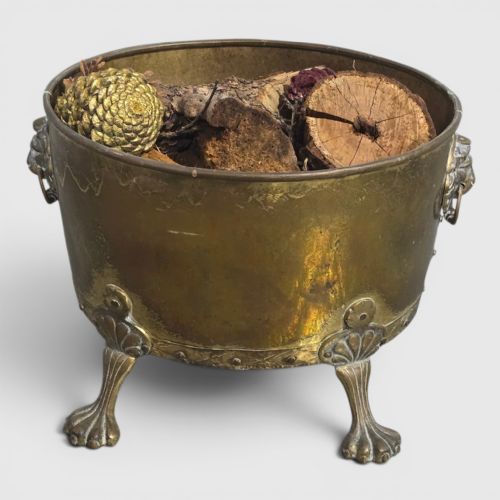
A vintage metal bucket brings utility and warmth into a room, serving as a coal scuttle, wine cooler or heavy planter.
Vintage Metal Bucket
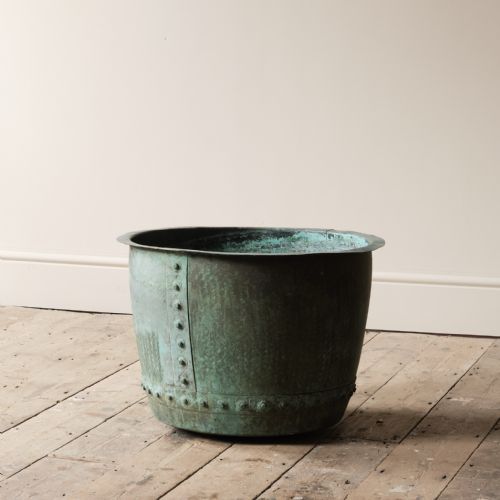
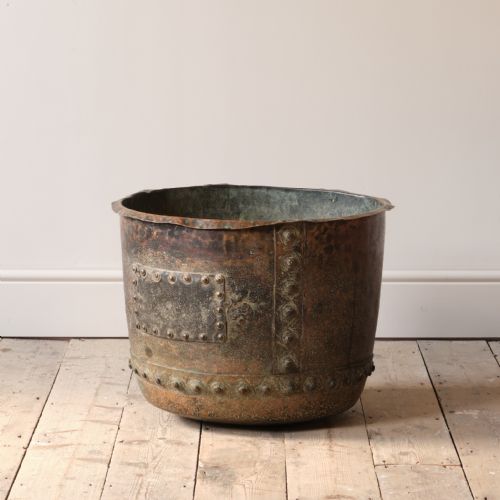
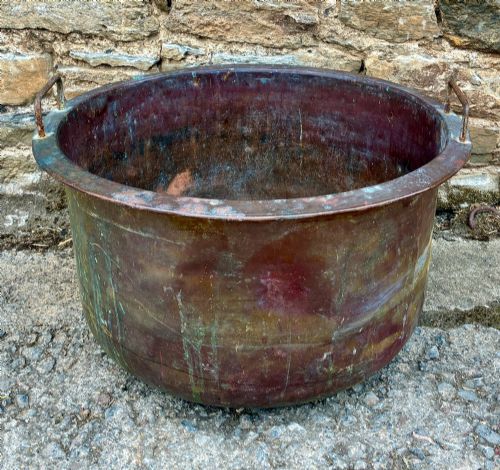
A vintage metal bucket encompasses a range of utilitarian and decorative vessels primarily formed from brass and copper across the eighteenth, nineteenth and early twentieth centuries. These pieces were originally made for hearth service as coal scuttles and log bins, or for domestic tasks as wash tubs and boilers, before finding modern roles as planters and wine coolers.
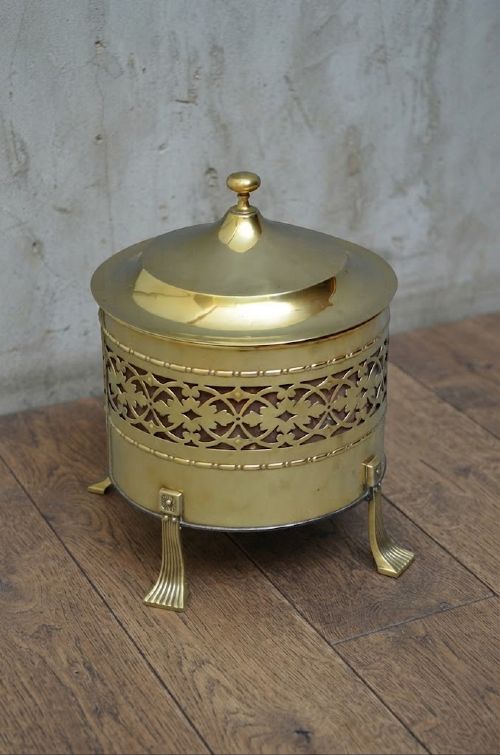
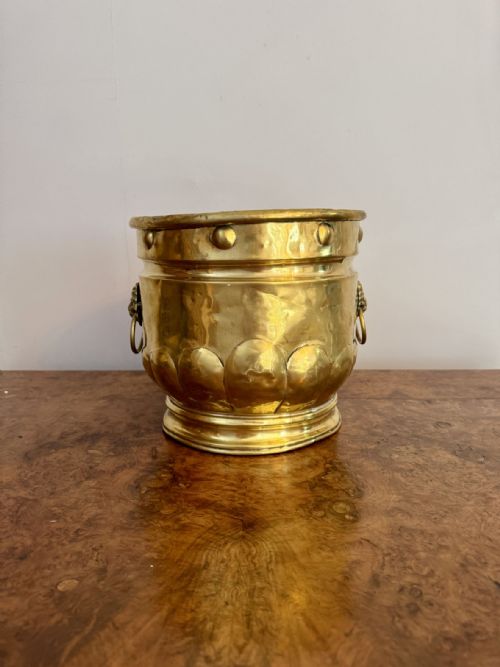
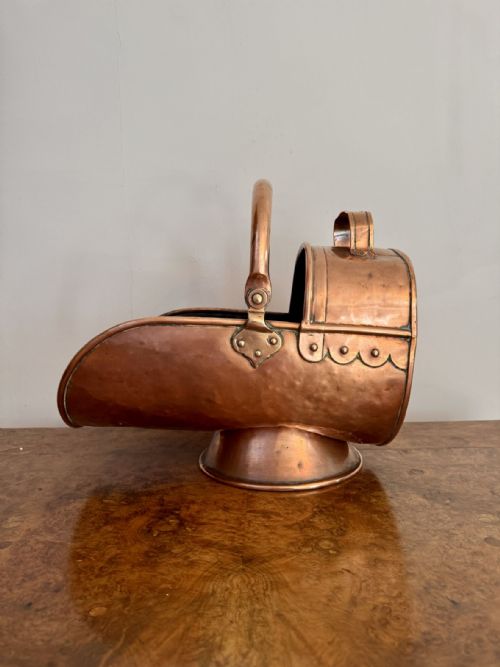
The selection on this page leans heavily toward Victorian and Edwardian examples, alongside Georgian items and specific stylistic movements like Arts and Crafts and Art Nouveau. Form follows function in items such as coal helmets, cauldrons and swing-handled vessels, though grander country house pieces often double as jardiniere vessels.
Origins stretch from British workshops to continental Europe, including Dutch brass planters, French champagne coolers and Chinese polished brass pieces. Buyers encounter everything from riveted industrial coppers to decorative embossed brass work destined for the parlour.
Construction and materials
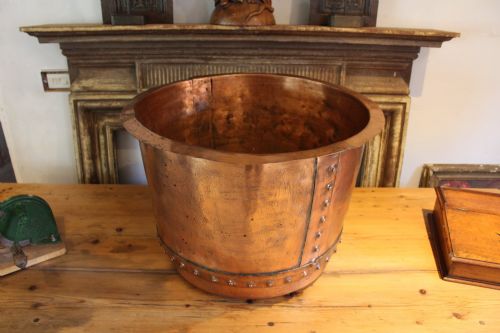
Construction relies heavily upon heavy-gauge copper and brass sheets beaten, hammered or spun into shape, frequently joined by hand-driven rivets along the seams. Wrought iron and cast iron appear in structural frames, swing handles and stands, adding durability to utilitarian boilers and fire bins.
Makers utilised contrasting metals for decorative effect, pairing warm copper bodies with bright brass bands, handles and crests. Surface finishes range from polished presentations to patinated toleware and hammered textures showing the direct touch of the craftsman.
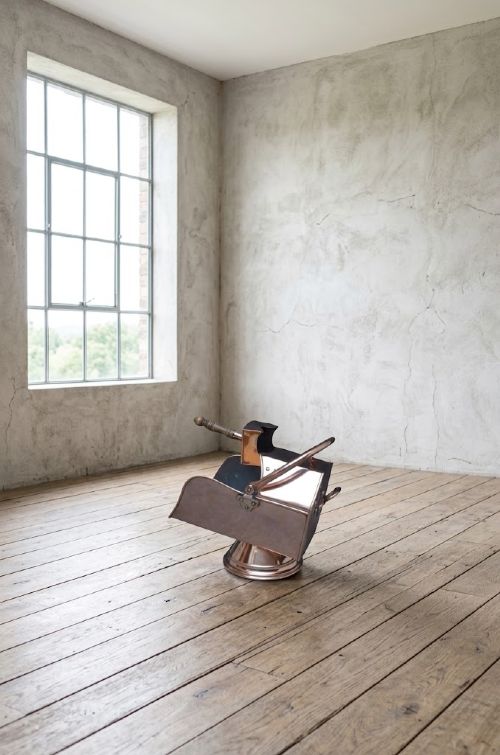
The selection includes specialised forms such as coal helmets, champagne coolers, wash tubs, stick stands and travellers' sample mangles.
Judging quality in metal vessels
Quality rests upon the thickness of the metal plate and the integrity of the construction, such as neatly fitted riveted seams and solid brass handles rather than thin pressed alternatives. Heavier gauge copper and brass retain structural rigidity and resist denting over centuries of domestic use.
Refinement of detail separates utilitarian items from parlour pieces, seen in crisp embossed motifs, hand-hammered surfaces, applied crests and well-integrated iron or copper framing. Original components, including matching lids, sturdy swing handles and authentic wheeled bases, elevate the standing of a piece.
Richard Arkwright Masson Mills·Christofle·WMF
The Vintage Metal Bucket Glossary
- Jardiniere
- An ornamental pot or stand for holding plants or flowers. These large vessels often feature brass bodies with decorative handles or feet.
- Coal scuttle
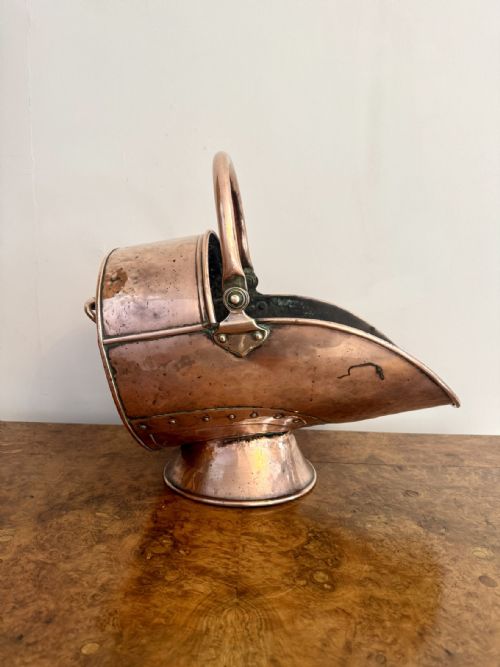
- A bucket or box designed to hold coal for a domestic fire. Many examples take the form of coal helmets with angled mouths for easy pouring.
- Toleware
- Lacquered or enamelled metalware, usually tin or iron. This technique creates durable, painted surfaces found on nineteenth-century kitchen buckets.
- Planter
- A container used for housing growing plants. In metalware, these often incorporate waterproof liners or heavier bases to catch drainage.
- Cauldron
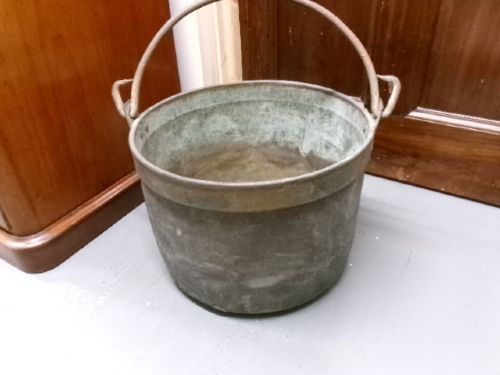
- A large round pot or kettle, typically with a swing handle. Antique metal versions are often cast or riveted with heavy iron bails.
Vintage Metal Bucket: Frequently Asked Questions
How do I clean a brass or copper bucket?
Wipe the surface with a soft, damp cloth to remove dust and dirt. Avoid harsh commercial abrasive cleaners that strip the historic patination accumulated over generations.
If you prefer a bright finish, apply a specialised metal polish sparingly with a soft cloth, then buff gently. Unpolished pieces with dark oxidation require only occasional dusting to preserve their age.
Can I use these buckets for live plants?
Many of these vessels serve effectively as planters or jardinieres, particularly brass and copper items originally built to hold logs or water. Placing a plastic or ceramic liner inside protects the historic metal from moisture and soil erosion.
Ensure proper drainage by removing standing water from the inner liner regularly. This prevents internal corrosion and protects the base of the antique vessel.
How do I date a copper coal bucket?
Examine the construction methods, such as hand-driven copper rivets and dovetail joints, which typically indicate eighteenth or nineteenth-century origin. Machine-rolled seams and stamped components often point toward later Victorian, Edwardian or twentieth-century production.
Stylistic markers provide further clues, with Georgian pieces showing restrained classical lines, while Art Nouveau and Arts and Crafts examples display flowing plant motifs or hand-hammered surfaces.
Were wine coolers and coal buckets made the same way?
Both wine coolers and coal buckets utilised heavy-gauge copper, brass or silver plate, often featuring riveted seams and sturdy carrying handles. Artisans applied similar metal-working techniques such as hammering, spinning and casting to shape both domestic and fireside vessels.
Distinctions lie mainly in proportion and interior finish. Wine coolers often include liners or specific ring handles suited for dining service, whereas coal scuttles prioritize angled spouts or robust shovel rests.