




Late 19th Century Bowl
These late 19th century bowl options range from European porcelain to Chinese cloisonné, offering decorative elegance and practical utility for the home.
Late 19th Century Bowl
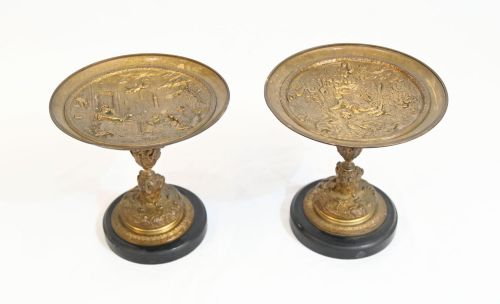
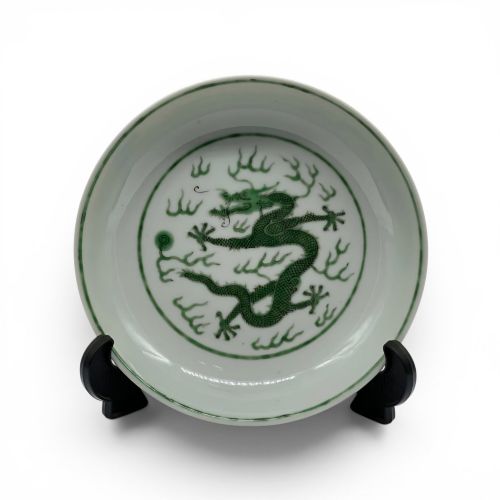
A late 19th century bowl encompasses diverse forms including decorative dishes, jardinières, tazzas, and footed vessels produced during the Victorian era and the late Qing Dynasty. Buyers examining this category encounter European porcelain and glassware alongside Asian bronze and cloisonné enamel creations.
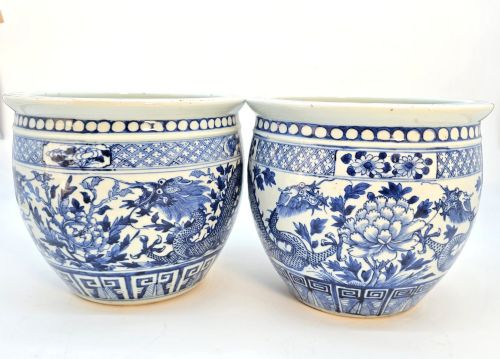
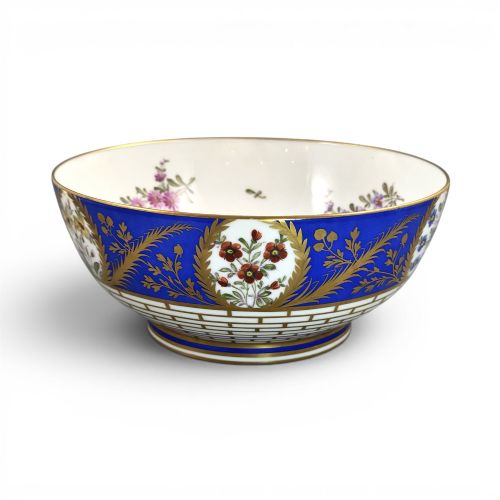
Chinese export porcelain and cloisonné works appear regularly alongside European porcelain from factories such as Sèvres and Dresden. Domestic utility also emerges through wooden dairy bowls and heavy glass rummers originating in the Georgian and Victorian periods.
Materials and Construction
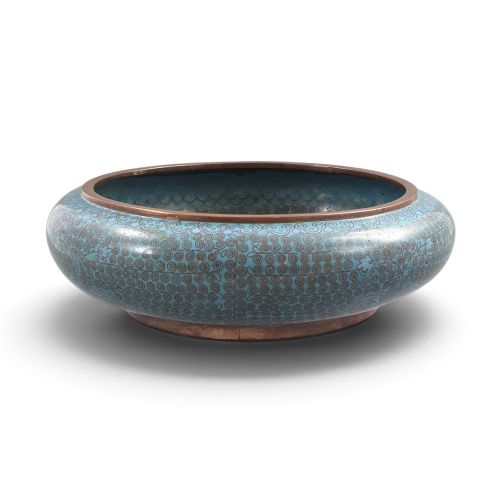
Potters and artisans utilised porcelain, bronze, brass, ormolu, and glass, frequently combining metal mounts with ceramic bodies. Cloisonné pieces involve soldered wire networks filled with enamel paste, fired and polished to a smooth finish.
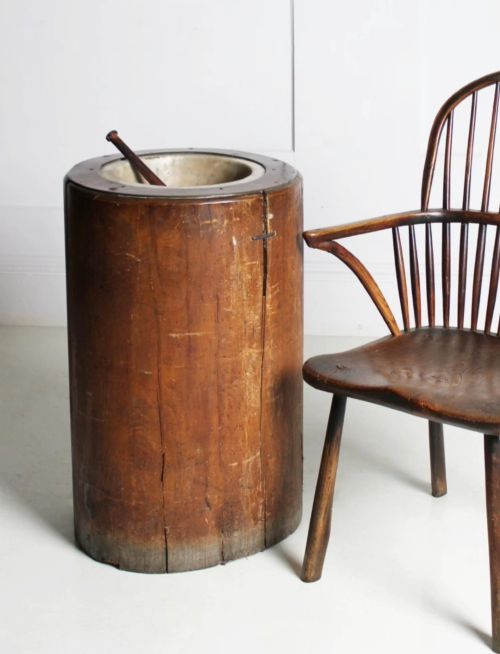
European workshops deployed hand-painted glazes, gold leaf, and transfer printing on porcelain and pottery blanks. Wooden examples such as sycamore dairy vessels were turned on lathes and finished with simple oils to highlight the natural grain and warm patina.
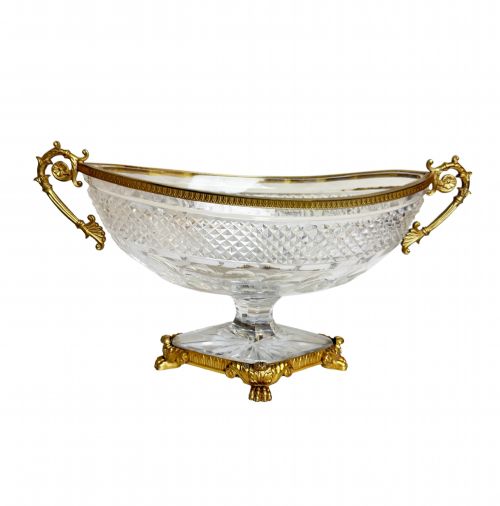
Foundry casting created heavy bronze and brass vessels, sometimes finished with patination or paired with marble plinths. Glassware relies on mould-blowing and hand-finishing techniques to achieve opaline surfaces or crystal clarity.
Late 19th Century Bowl Retail Price Guide 2026
Typical asking prices for late 19th century bowl among the pieces listed under this phrase on Sellingantiques today, from the lower quarter to the upper quarter. They describe what is for sale here now, not the wider market.
Listings feature materials spanning bronze, ormolu, sycamore, crystal, and cloisonné enamel across nineteenth-century European and Asian traditions.
Assessing Quality and Execution
Quality rests upon the crispness of the modelling, the precision of the enamel work, and the fidelity of the period style. Superior porcelain displays finely registered hand-painted details without blurring, while metalwork exhibits tight joins and well-cast mounts.
The integrity of materials dictates value, such as the heavy weight of a genuine bronze censer or the intricate complexity of cloisonné wirework. Secondary elements like ormolu mounts and marble bases must match the period in construction and weight rather than appearing as later additions.
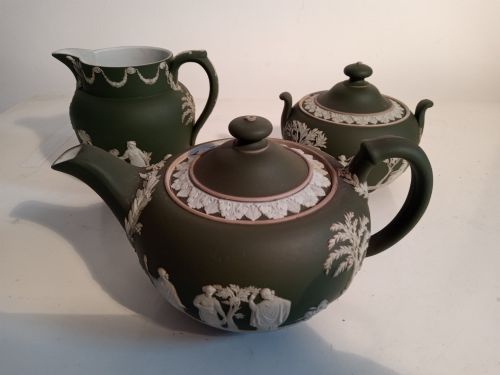
Wedgwood·Baccarat·François-Eugène Rousseau·Samson
The Late 19th Century Bowl Glossary
- Ormolu
- Gilded bronze mounted onto decorative objects, particularly popular in French neoclassical and rococo revival pieces. This technique provides a bright golden surface that accents marble and porcelain bodies.
- Cloisonné
- An enamel technique where metal wire creates small compartments on a bronze or copper base before filling with coloured glass paste. It requires skilled firing and polishing to achieve a flush, lustrous finish.
- Tazza
- A shallow bowl or dish raised on a high foot and stem, designed for display on a table or sideboard. These often incorporate marble plinths and bronze mounts in nineteenth-century examples.
- Jardinière
- An ornamental pot or stand intended for holding plants or floral arrangements. They appear in porcelain, bronze, and ceramic formats across European and Asian traditions.
- Comport
- A footed dish or bowl used for serving fruit or sweets at formal dining tables. They often match larger tea sets or centrepieces from the period.
Late 19th Century Bowl: Frequently Asked Questions
How do I clean a cloisonne bowl?
Clean antique cloisonné gently with a soft, dry cloth to remove dust without disturbing the delicate enamel and wire cells. Avoid chemical cleaners and water immersion, as moisture can penetrate hairline fractures in the old metal base.
For stubborn grime, a slightly damp cloth followed immediately by thorough drying is sufficient. Professional restoration should be consulted if the enamel shows signs of active deterioration.
Are these bowls safe for food?
Most decorative nineteenth-century porcelain, glass, and bronze vessels were intended for display, ceremonial use, or dry goods rather than modern food service. Older glazes can contain trace elements that make them unsuitable for acidic foods or regular culinary use.
It is best to treat these items as decorative centerpieces or use them for holding non-perishable objects. Contemporary food safety standards did not govern the composition of historical pigments and metal alloys.
How should I display a heavy bronze bowl?
Position heavy bronze and cloisonné vessels on sturdy, level furniture capable of supporting considerable weight, as some pieces exceed one kilogram. Ensure the display surface is protected with felt or leather pads to prevent scratching from unglazed metal bases.
Keep them away from direct sunlight and areas of high humidity to protect patinas and prevent any organic components from drying out. Adequate clearance prevents accidental knocks to protruding handles or delicate rims.