


Late 19th Century Basket
These late 19th century baskets bring tactile warmth and regional character into a room, offering practical storage fashioned from natural materials.
Late 19th Century Basket
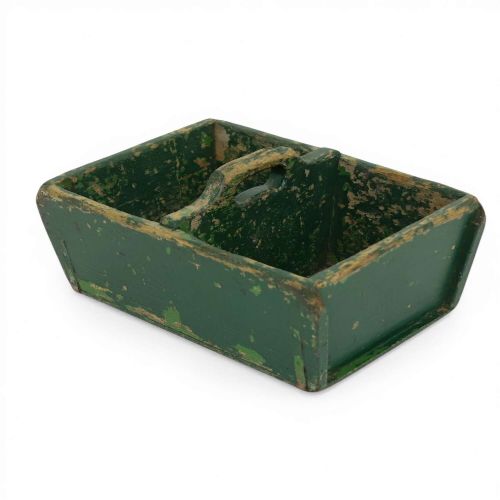
When you search for a late 19th century basket, you encounter a surprisingly broad array of utilitarian and decorative objects spanning multiple continents. The selection includes woven pine vessels from Scandinavia alongside sturdy artisan trugs from Wales.
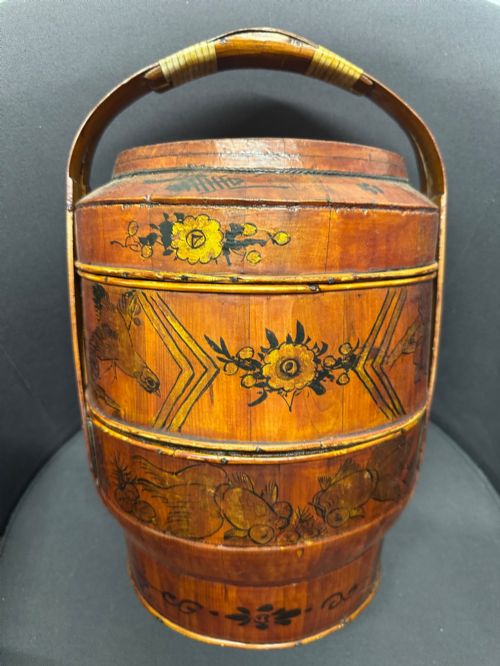
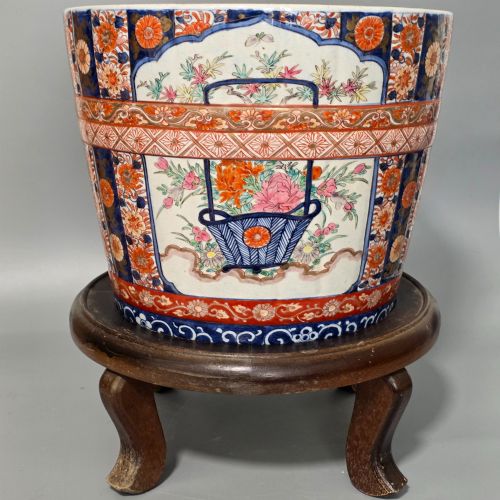
Beyond traditional wickerwork, the category extends to specialised Chinese painted bamboo rice carriers and Japanese porcelain planters with stands. These pieces reflect the varied domestic and social habits of the period, from everyday country toil to ornate interior decoration.
Victorian tastes also introduced novelty forms, such as glazed figures holding vessels and metal buckets associated with the Arts and Crafts movement. Buyers searching this phrase will find that makers utilised regional materials to meet local demands for storage and display.
How they were made
Construction relies heavily on organic materials like pine, bamboo, and wood, shaped through traditional hand-weaving and carpentry techniques. Artisans selected these timbers for flexibility and strength, ensuring the vessels could withstand daily use.
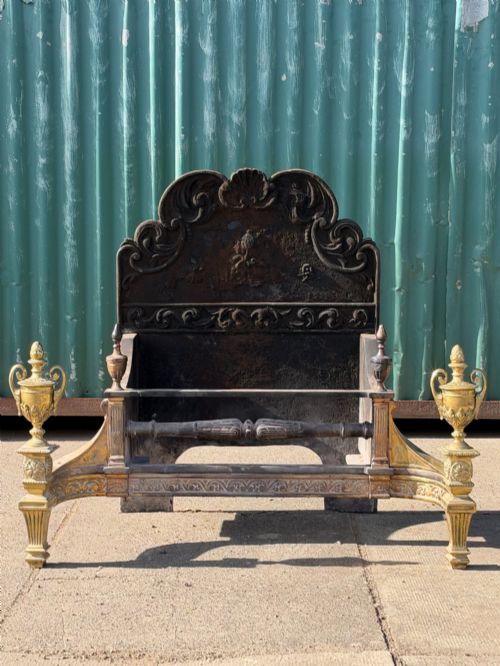
Metalwork and ceramics also feature prominently, utilising cast iron, brass, copper, and porcelain alongside painted and glazed finishes. These diverse mediums required specialised firing, moulding, and smithing skills typical of late nineteenth-century workshops.
Someone carved a smiling blackamoor to hold a basket in the late 19th century, blending dark humour with Victorian domestic display.
What varies in quality
Quality in these pieces is dictated by the integrity of the construction and the skill of the hand-weaving or metal shaping. Tighter, more uniform joins and balanced proportions distinguish finer artisan work from simpler utilitarian output.
The preservation of original surface finishes, such as paint, glaze, or natural patination, significantly elevates a piece. Better examples retain their structural stability while showing honest signs of period use.
The Late 19th Century Basket Glossary
- Trug
- A shallow horticultural basket traditionally fashioned from strips of wood such as pine. These were utilised for gathering garden produce and carrying market goods.
- Bamboo
- A fast-growing woody grass utilised in Asian decorative arts for structural framing and woven panels. It offers lightweight durability and distinct natural patterning.
- Arts and Crafts
- A design movement valuing traditional craftsmanship, simple forms, and honest materials. It emerged in reaction to machine-produced industrial goods.
- Imari
- A style of Japanese porcelain decorated in underglaze blue and overglaze red, gold, and green. These wares were widely exported to European markets during the late nineteenth century.
- Planter
- A decorative vessel designed to hold potted plants or flowers. They appear in materials ranging from ceramic porcelain to heavy cast metal.
Late 19th Century Basket: Frequently Asked Questions
What were late 19th century baskets used for?
These pieces served diverse practical functions ranging from harvesting garden crops and carrying market provisions to transporting wedding food and rice.
Many examples also fulfilled decorative roles within the home, acting as interior planters or ornamental dishes for display.
How do I care for a vintage pine or bamboo basket?
Keep organic woven materials away from direct sunlight and damp environments to prevent the wood or bamboo from drying out or warping.
Dust them gently with a soft brush and avoid applying liquid cleaning products that might compromise the natural fibres.
How can I tell a Swedish pine basket from a Welsh trug?
Swedish pine baskets typically feature hand-woven construction using northern European softwood timbers suited to Scandinavian country interiors.
Welsh artisan trugs reflect regional agricultural practices, employing sturdy wooden slats designed specifically for heavy costermonger or farming duties.
Are these baskets meant for daily use today?
Sturdier utilitarian pieces like pine trugs and bamboo carriers remain robust enough for gentle everyday storage in a modern home.
More delicate porcelain dishes and decorative glass items are best reserved for static display rather than practical handling.