




Late 18th Century Art
When exploring late 18th century art, you encounter oil paintings, portrait miniatures, engravings, and textiles shaped by Georgian, Neoclassical, and French stylistic movements.
Late 18th Century Art
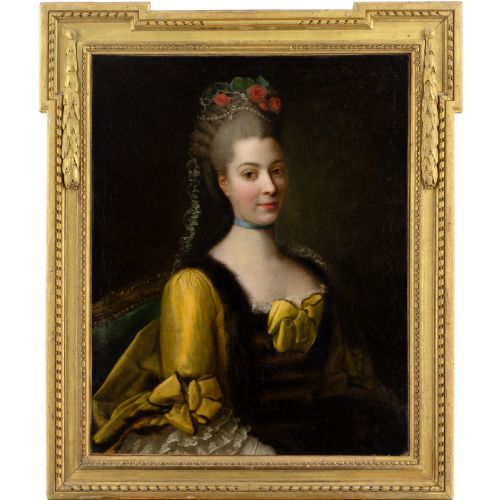
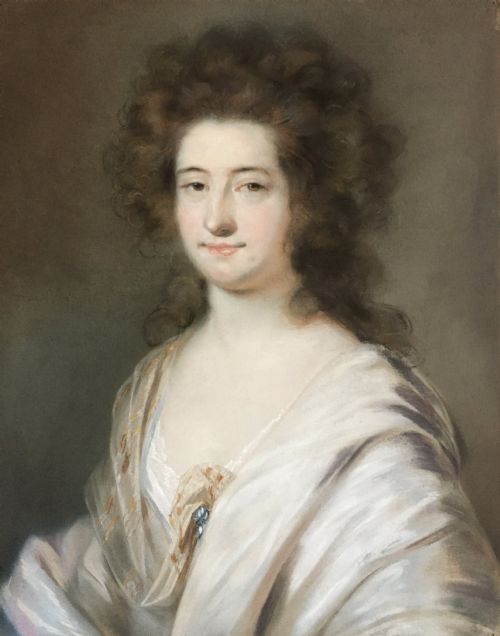
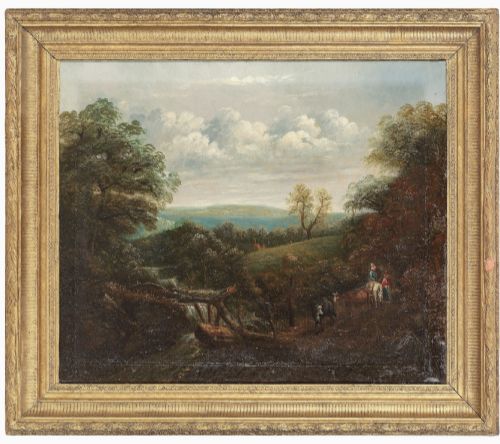
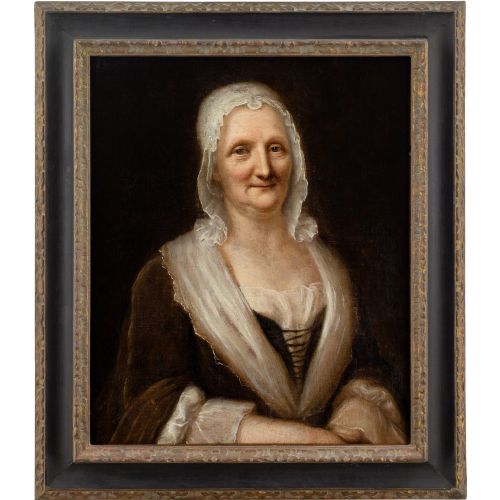
Late 18th century art encompasses diverse visual and decorative objects created during a pivotal era of stylistic transition. Buyers exploring late 18th century art regularly encounter portrait paintings in oil or pastel, intimate miniatures, landscape watercolours, and detailed engravings. These works reflect regional traditions ranging from French pastoral tapestries to Dutch floral still lifes and English landscape schools.
The material record includes canvases, paper, silk, carved wood, glass, and metalwork. Domestic textiles like samplers and decorative boxes also emerge from this period, offering insight into both fine and decorative arts. Regional schools such as the Norwich, Dutch, and French traditions dominate the selection.
How they were made
Makers utilised traditional painterly supports including canvas, oak panels, and heavy paper, applying oil pigments, watercolours, gouache, or pastels by hand. Engravings and stipple prints on silk or paper required precise metal plates and inked impressions, often framed in giltwood or carved scroll mounts. Decorative and utilitarian objects combined organic materials like horn, pewter, glass, and oak with hand-carved or soldered assembly.
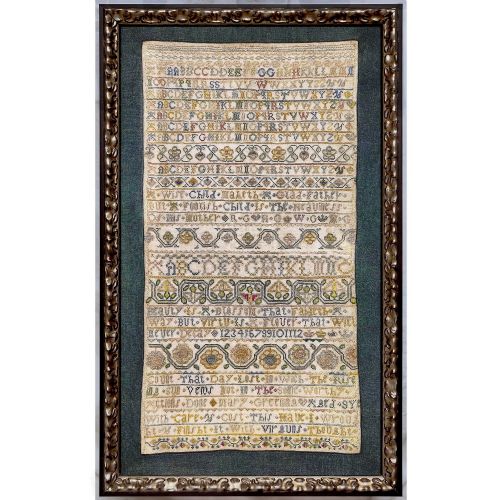
Textiles were laboriously worked in silk and thread on linen foundations, requiring precise needlework seen in regional samplers and pastoral tapestries. Reverse glass painting and reverse painted mirrors involved meticulous application of pigment directly onto the rear surface of the glass pane.
Listings feature works by followers of the Dutch School, French pastoral tapestries, and English watercolorists.
What varies in quality
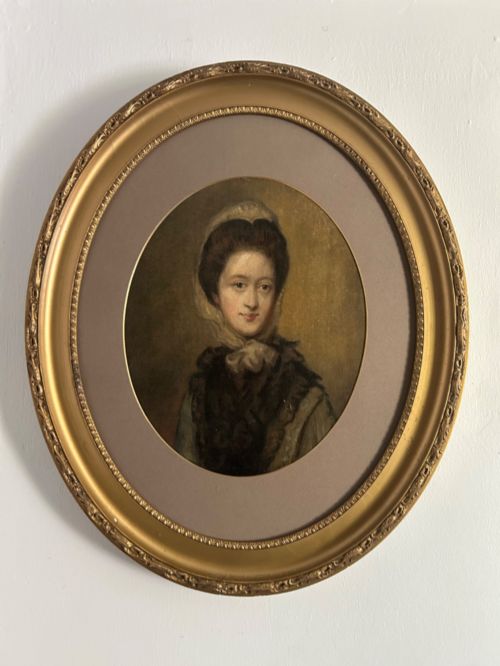
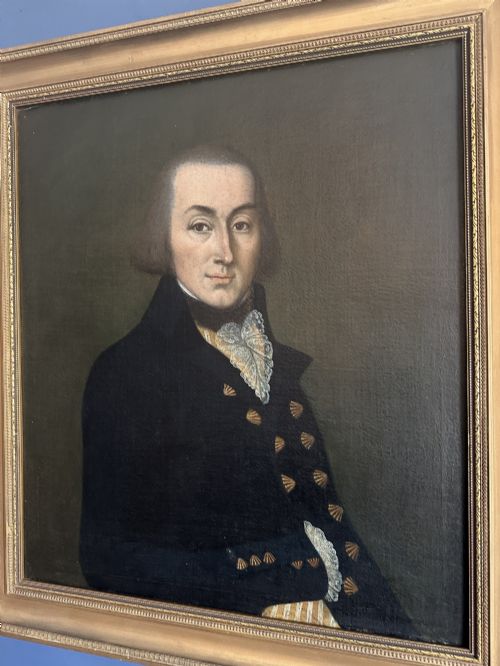
The standard of execution in portraiture depends on the subtlety of facial modelling, the handling of drapery, and the anatomical accuracy achieved by the artist or follower. Fine works display confident brushwork and balanced compositions, whereas lesser pieces can exhibit stiffness or flat application of pigment.
Framing and mounting also dictate overall presentation, with original giltwood frames, period glass, and untouched panel supports carrying greater integrity than later replacements or heavily restored surfaces.
John Russell·Edward Dayes·Raffaello Sanzio Da Urbino·John Inigo Richards·William Grimaldi·Miers·Francesco Piranesi·Richard Cosway·Bartholomeus van Burgindis·Lemuel Francis Abbott·William Hogarth·Bartolome Esteban Murillo
The Late 18th Century Art Glossary
- Stipple Engraving
- A printmaking technique using dots rather than lines to render tonal gradations and figures. This method was frequently utilised for delicate portraiture and reproductions on paper or silk.
- Reverse Glass Painting
- The practice of applying paint or gold leaf to the reverse side of a glass sheet so the image is viewed through the front. It creates a glossy, preserved finish.
- Sampler
- A piece of needlework produced by an individual to demonstrate skill in various stitches. These textile works often include alphabets, motifs, and maker details.
- Pastel
- A dry medium composed of powdered pigment and a binder, shaped into sticks. Artists used it on paper to achieve soft, velvety textures in portrait studies.
- Giltwood
- Wood, typically carved pine or gesso, coated with thin layers of gold leaf. It defines the ornate frames common to Georgian paintings and mirrors.
Late 18th Century Art: Frequently Asked Questions
How do I identify a late eighteenth century portrait?
Portraits from this era often feature distinctive costume details, such as powdered wigs, high-waisted Georgian or Regency attire, and specific framing styles like gilt oval or rectangular scroll mounts.
The handling of the medium, whether oil on canvas or delicate pastel on paper, aligns with techniques standard to the period before the nineteenth century.
What subjects are common in these paintings?
The inventory frequently includes individual portraits of ladies and gentlemen, pastoral landscapes, floral still lifes on oak panels, and religious scenes derived from old master traditions.
Topographical views and narrative subjects after contemporary or earlier printmakers also appear across watercolours and gouache sketches.
Are textile pieces and samplers contemporary to the period?
Needlework samplers and pastoral tapestries were hand-worked by individuals or workshops during the late Georgian era, often bearing stitched names and dates that confirm their origin.
These textiles utilised traditional linen foundations and dyed threads characteristic of late eighteenth-century domestic production.
How should I care for antique works on paper?
Works on paper, watercolours, and silk prints require protection from direct sunlight and excessive humidity to prevent fading of the pigments and degradation of the delicate substrate.
Displaying them behind appropriate conservation glass helps shield the ink, pastel, and paint from environmental moisture and airborne pollutants.