


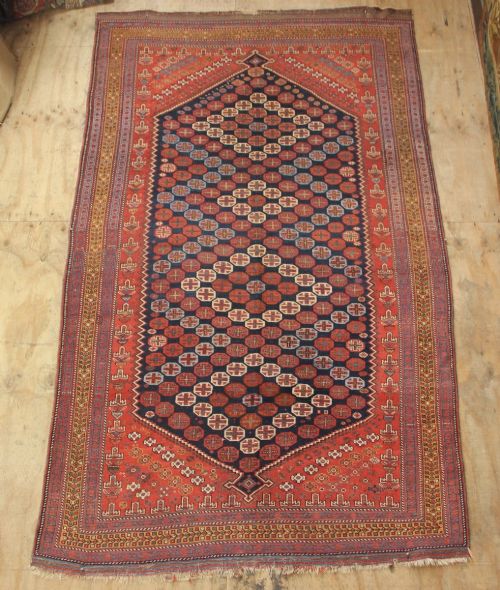

Large Woven Wool Rug
A large woven wool rug anchors a room with deep texture, bringing historic Persian, Turkmen and Anatolian pattern straight to the floor.
Large Woven Wool Rug
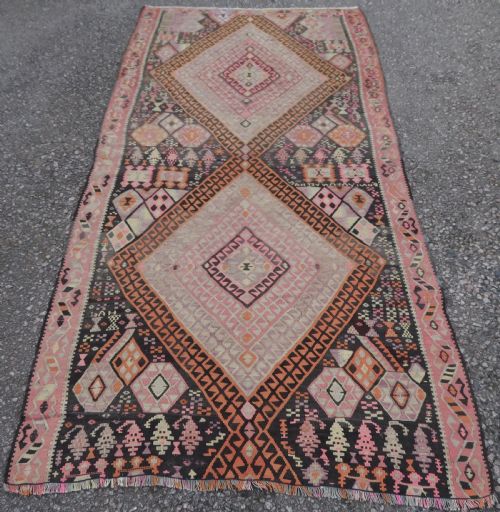
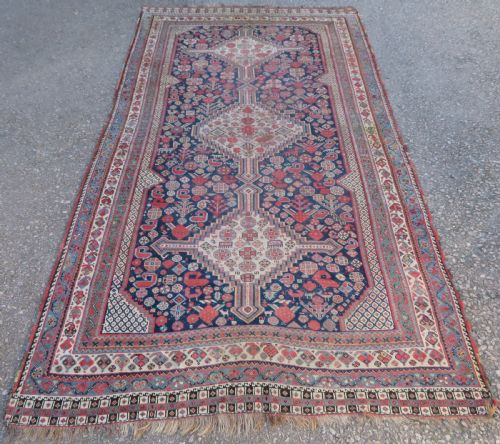
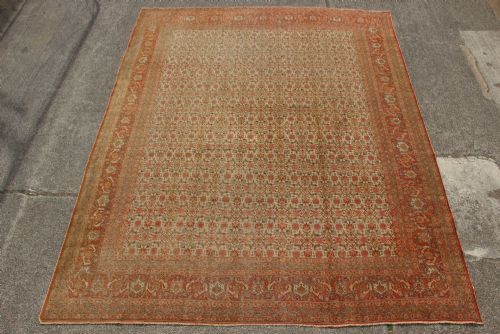
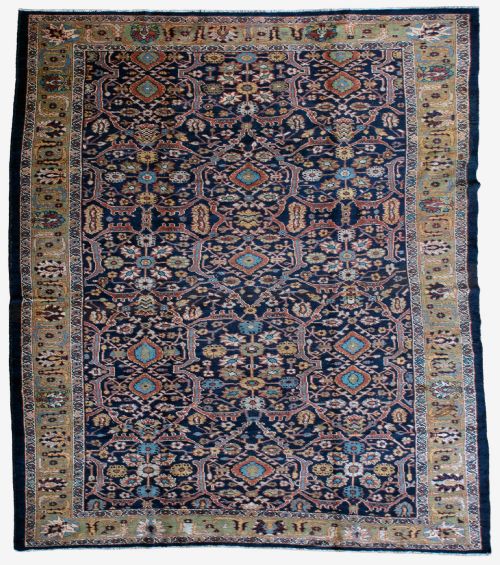
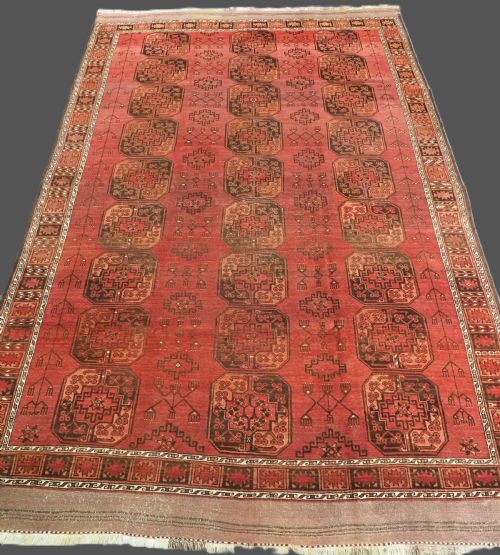
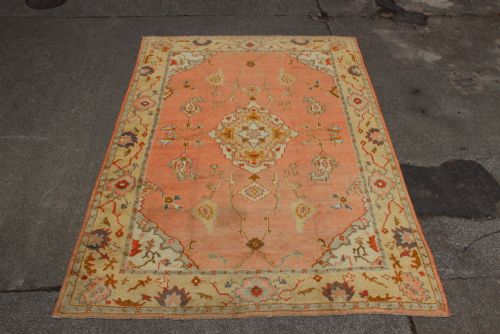
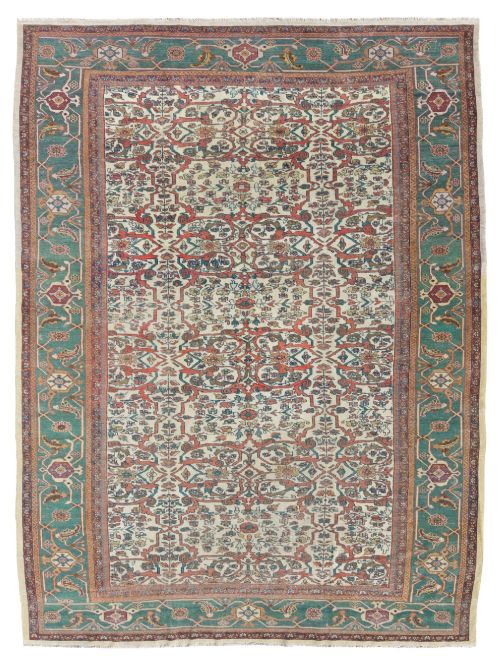
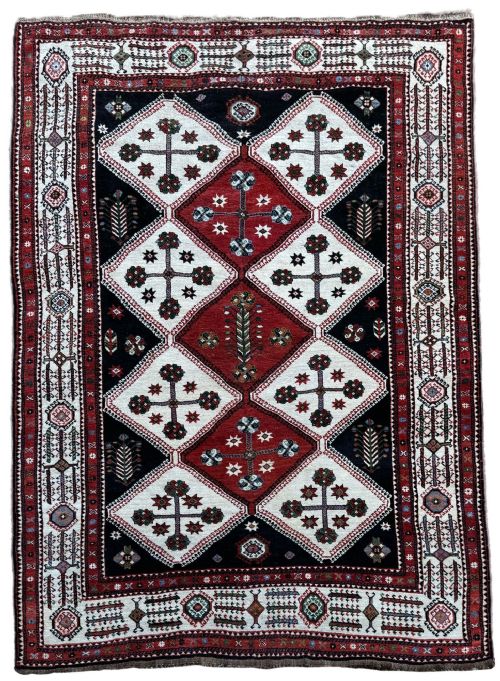
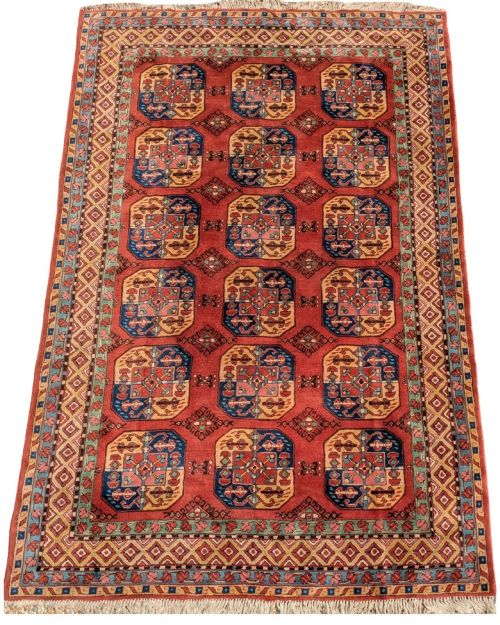
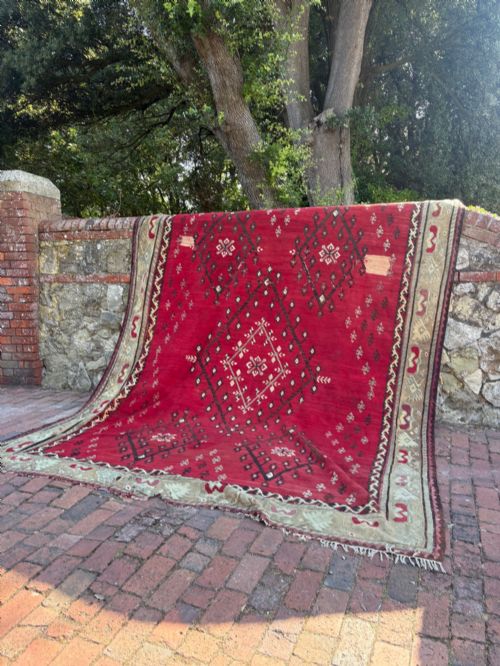
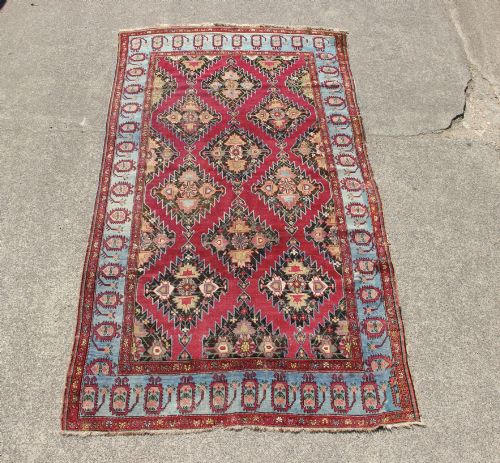
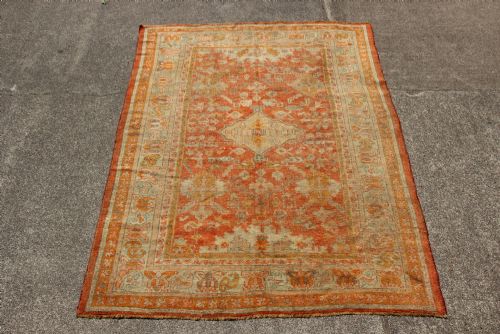
When searching for a large woven wool rug, a buyer looks at room-size floor coverings originating from nineteenth and early twentieth-century workshops and tribal communities. The pieces encountered here span Persian styles like Heriz, Tabriz and Sultanabad alongside Anatolian Oushak and Turkmen tribal formats.
These floor coverings arrive in substantial dimensions suited to major living spaces, hallways and dining rooms. The selection includes heavy carpets alongside flatweave kilims, providing diverse surface textures underfoot.
Materials and construction
Makers constructed these floor coverings using wool and cotton foundations combined with hand-spun wool pile. Many examples incorporate natural dyes that yield rich, complex tones across the surface.
The fabrication relies on hand-weaving and knotting techniques passed down through generations of weavers. Artisans shaped intricate geometric and floral designs directly into the textile structure without modern machinery.
Several carpets carry timeworn repairs stitched by hands long forgotten, adding silent chapters to their long journeys.
Evaluating textile quality
The standard of a piece rests upon the density of the weave and the clarity of the design motifs. Finer knotting allows intricate curvilinear and geometric patterns to maintain sharp definition across the expanse of the textile.
Material selection dictates longevity, with hand-spun wool and stable natural dye palettes holding depth and resilience over decades of use. The integrity of the original foundation edges and structural pile establishes the grade of preservation.
The Large Woven Wool Rug Glossary
- Pile
- The upright loops or cut ends of yarn that form the soft surface of a carpet. This layer provides the cushion and absorbs daily wear.
- Flatweave
- A textile produced without a pile by interweaving warp and weft threads directly. Examples like kilims result in a lightweight, reversible floor covering.
- Natural Dyes
- Colouring agents derived from plants, insects and minerals rather than synthetic compounds. These substances create subtle tonal variations that age gracefully.
- Warp
- The vertical foundation threads stretched tightly on a loom before weaving begins. All knots and wefts build upon this structural skeleton.
- Weft
- The horizontal threads passed alternately over and under the warp threads to bind the construction together. This element secures the rows of knots in place.
Large Woven Wool Rug: Frequently Asked Questions
How do I clean an antique wool rug?
Gentle surface brushing and regular light vacuuming without a beater bar remove loose debris from the pile safely. Professional textile cleaning is necessary for deep washing to protect the natural wool fibres.
Harsh chemical detergents must be avoided entirely to prevent dye bleeding and fibre degradation. Specialist conservators handle antique textiles with tailored water temperatures and mild soaps.
Where should I place a large carpet?
These room-size textiles suit principal reception spaces, dining areas and long hallways where heavy foot traffic benefits from sound absorption. Placing furniture partially on the border helps anchor the textile within the room layout.
Direct, prolonged exposure to intense sunlight causes natural dyes to fade unevenly over time. Rotating the floor covering periodically balances environmental exposure across the surface.
Are these rugs durable enough for daily use?
Hand-spun wool and dense knotting create robust floor coverings built to withstand generations of domestic activity. The natural lanolin present in traditional wool helps repel dirt and resists crushing under furniture legs.
Using a quality underlay prevents slipping and cushions the foundation against hard flooring surfaces. This protective layer reduces internal friction between the wool fibres during walking.
How do I identify different regional styles?
Heriz and Tabriz designs typically feature bold geometric medallions and structured floral arrangements originating from Persian workshops. Turkmen and Ersari pieces display distinct tribal guls and repeated octagonal motifs.
Oushak carpets are recognised by softer pastel palettes and large-scale floral sprays woven in Anatolian regions. Examining the border patterns and knot structure confirms the specific geographic workshop origin.