



Large Wooden Sign
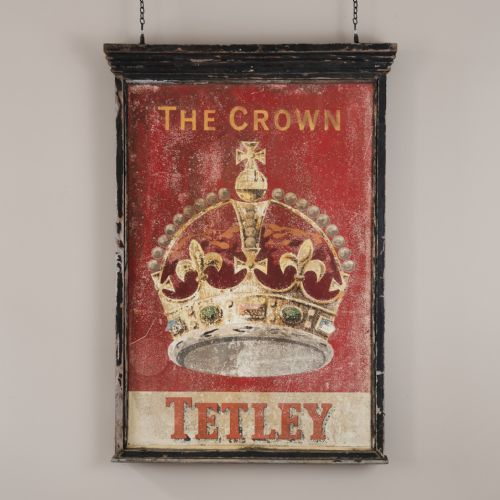
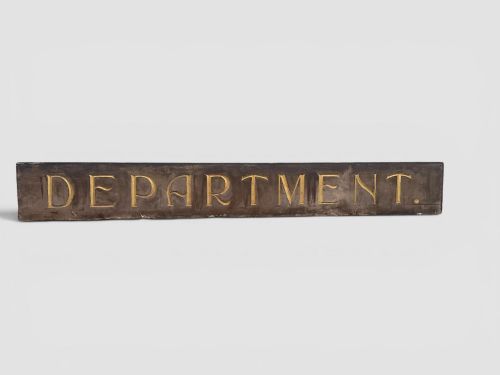
These large wooden sign examples span trade, pub, and directional boards from the nineteenth century onwards, offering striking rustic presence for any interior space.
Large Wooden Sign
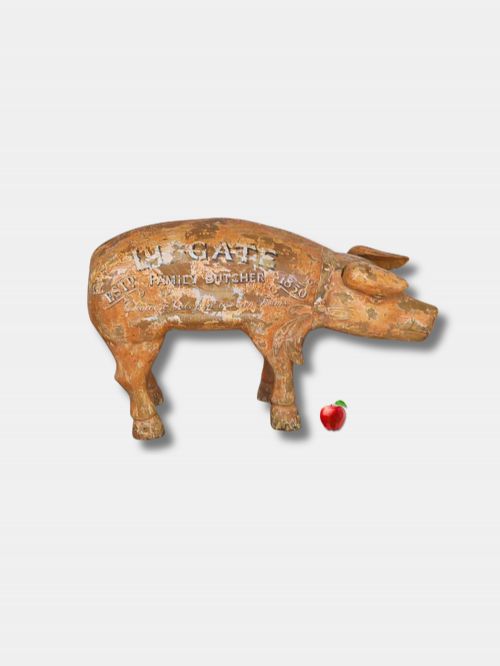
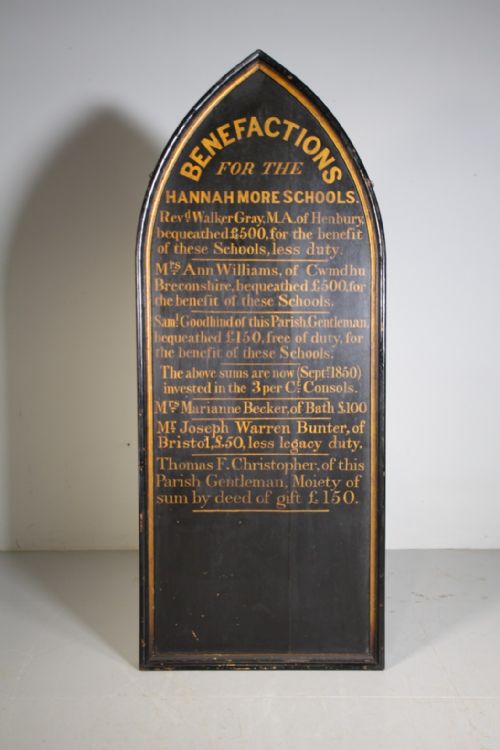
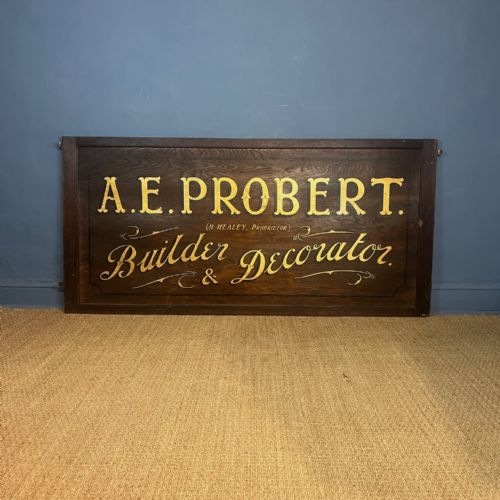
A large wooden sign serves as a commanding wall focal point, bringing historic commercial or folk art character straight into a room. When searching for a large wooden sign, buyers encounter diverse formats ranging from nineteenth-century butcher boards to double-sided pub notices.
The selections on this page heavily feature traditional pine and oak substrates carrying original painted lettering. These pieces span Victorian folk art through to early twentieth-century industrial styles, reflecting genuine working history.
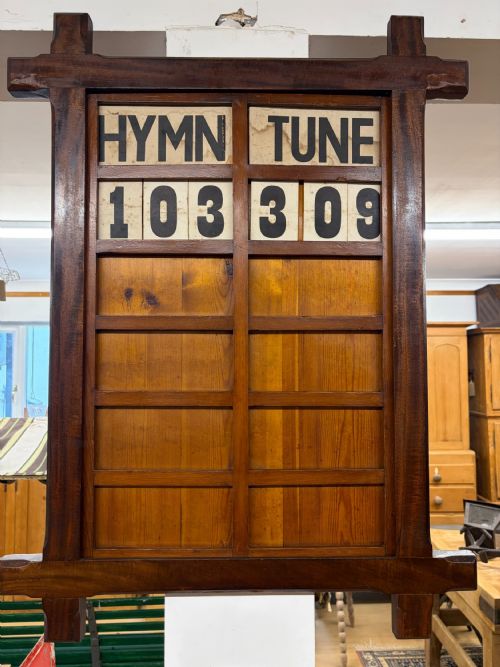
Beyond standard trade announcements, the inventory encompasses specialised items like hymn boards, directional markers, and heraldic panels. Each variety demonstrates distinct regional British or French vernacular traditions.
Materials and Construction Methods
Construction relies primarily on heavy pine and oak boards joined to withstand outdoor exposure or bustling commercial interiors. Makers shaped these sturdy timbers using traditional carpentry before applying protective and decorative surface layers.
Lettering and imagery were meticulously hand-painted directly onto the wood, often enhanced with gold leaf detailing or raised gesso work for added prominence. Some specimens incorporate functional metal elements or glass reflectors to catch evening light.
The ageing process relies on natural wear rather than artificial distress, as layers of historic paint build up over decades of use. This authentic layering gives each board a tactile depth impossible to replicate artificially.
Large Wooden Sign Retail Price Guide 2026
Typical asking prices for large wooden sign among the pieces listed under this phrase on Sellingantiques today, from the lower quarter to the upper quarter. They describe what is for sale here now, not the wider market.
Materials across these listings include solid pine, oak, traditional oil paint, raised gesso, and applied gold leaf.
Factors That Separate Examples
Quality rests heavily on the originality of the painted surface and the clarity of the typography. Retaining the first iteration of hand-painted lettering elevates a piece far above boards with later overpainting or modern restoration.
The integrity of the timber framing and the boldness of the subject matter dictate desirability. Boards that retain their original mounting brackets or double-sided hanging ironwork offer superior historical completeness.
Proportion and visual balance distinguish exceptional folk art panels from mundane utility boards. A strong graphic design paired with honest weathering creates a compelling decorative statement.
The Large Wooden Sign Glossary
- Gesso
- A plaster-like material applied to wood surfaces to create a smooth base for painting or to build up raised decorative details. It allows for intricate relief work on trade boards.
- Gold Leaf
- Extremely thin sheets of beaten gold used for lettering and highlights on high-status signage. It catches the light and resists tarnishing over decades.
- Folk Art
- Utilitarian objects and artworks created by self-taught makers using traditional regional techniques. These pieces emphasise function and bold visual impact over academic rules.
- Trade Sign
- A board or sculptural object displayed outside a shop or business to advertise the proprietor's trade. They often feature clear lettering or symbolic representations of goods.
- Pine
- A common softwood used extensively for historic signboards due to its availability and stable working properties. It takes paint exceptionally well.
Large Wooden Sign: Frequently Asked Questions
Can these signs be displayed outdoors?
Most historic painted boards were originally created for exterior trade use, but modern placement outdoors exposes them to damaging moisture and UV fluctuations. Protecting them beneath a covered porch preserves the fragile historic paint.
Indoor display remains the safest method for preventing further degradation of delicate gesso and early painted surfaces.
How do I clean an antique painted sign?
Dust the surface gently with a soft, dry cloth or a natural bristle brush to remove accumulated debris. Avoid using liquid cleaners, commercial detergents, or abrasive cloths, which can strip away historic paint layers.
Preserving the dry, chalky patina of original signwriting maintains both the aesthetic appeal and the historical integrity of the piece.
What periods do these wooden signs cover?
The available selection primarily spans the nineteenth century through the Edwardian era up to the mid-twentieth century. Pieces from this timeframe showcase traditional brushwork and regional British or French craftsmanship.
Earlier nineteenth-century examples often display simpler folk lettering, while 1930s boards reflect bolder commercial typography.