
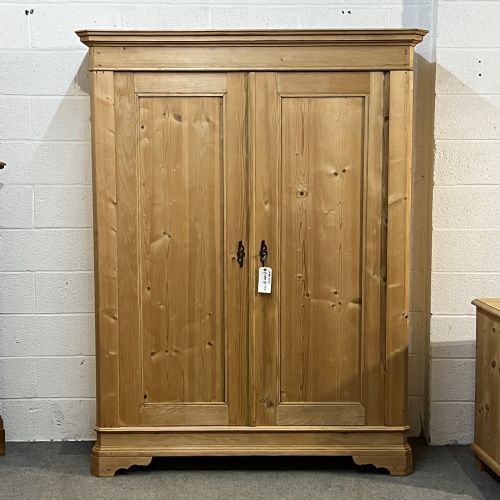
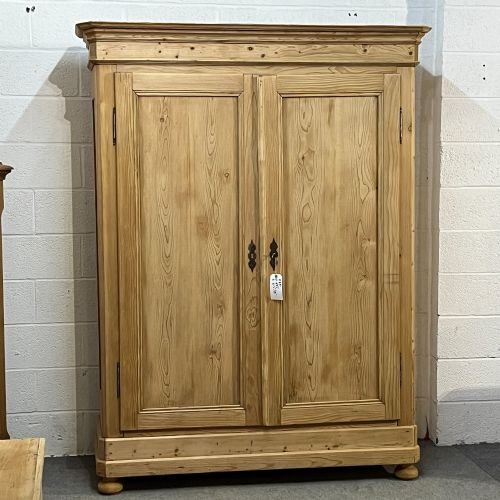
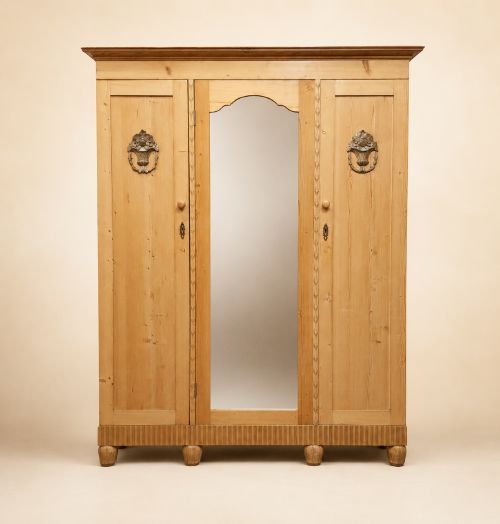
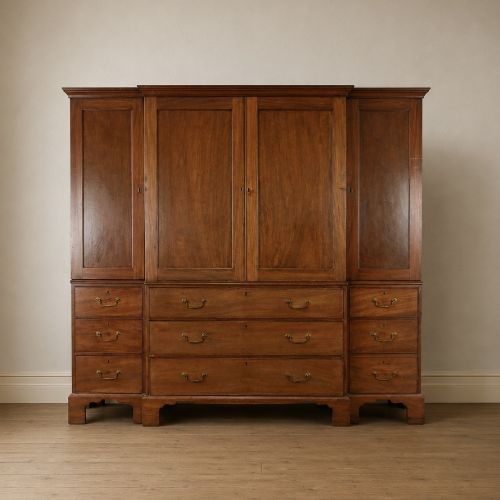
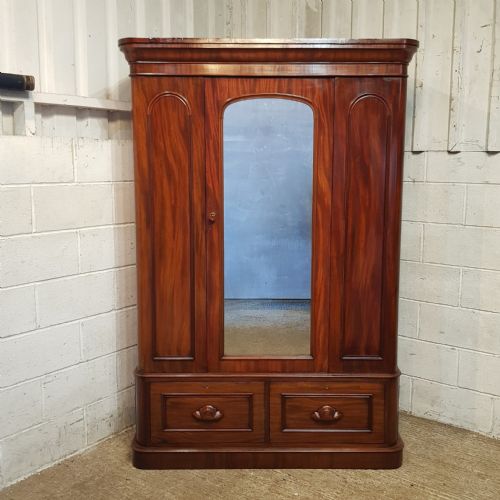
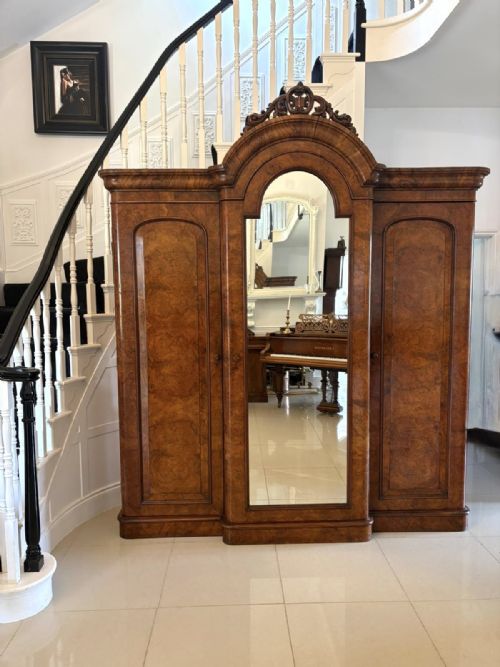
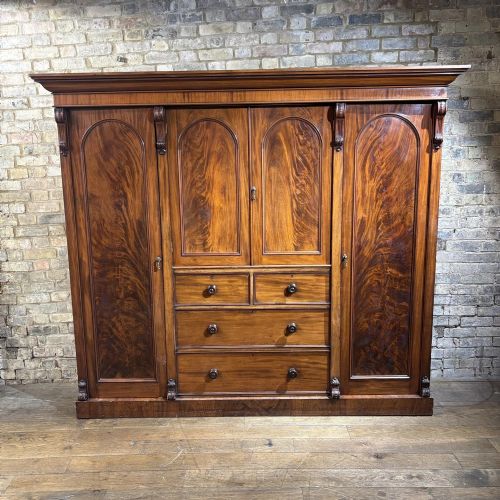
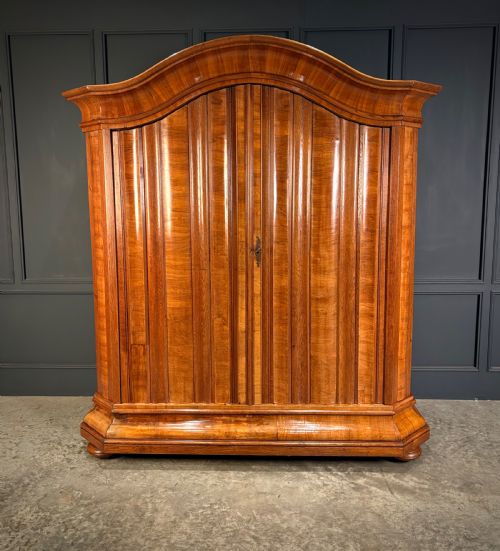
Large Wooden Linen Press
Large wooden linen press examples combine grand scale with functional storage, offering stately proportions and traditional craftsmanship for serious collectors.
Large Wooden Linen Press
A large wooden linen press stands as a substantial piece of furniture designed historically to store textiles, garments, and household linens. These items appear across multiple periods, including the Georgian, Victorian, and Edwardian eras, reflecting changing domestic requirements.
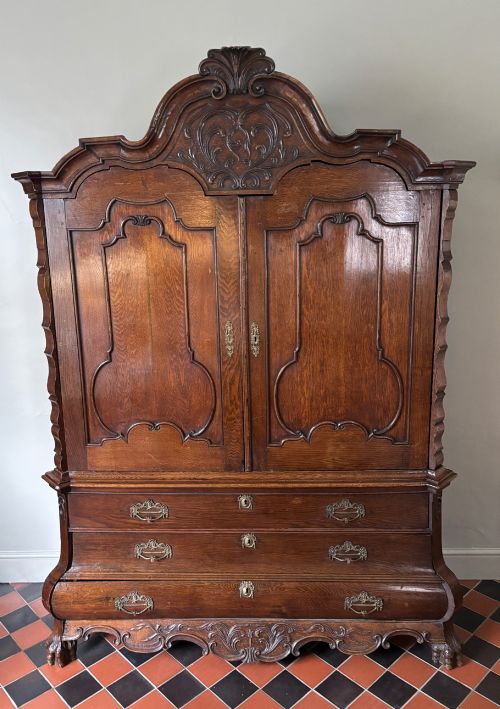
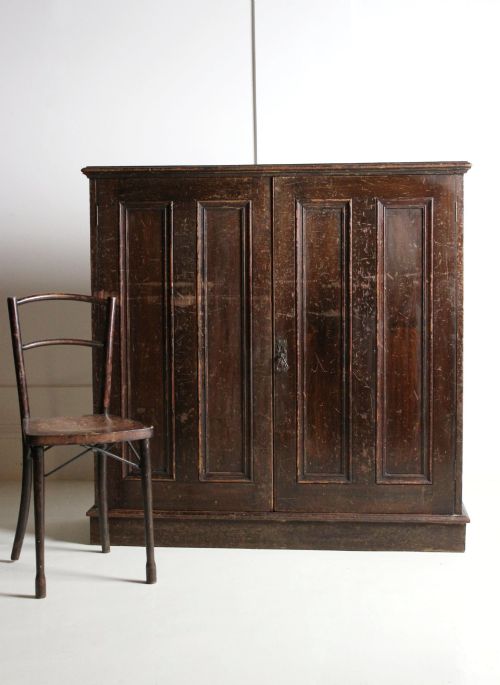
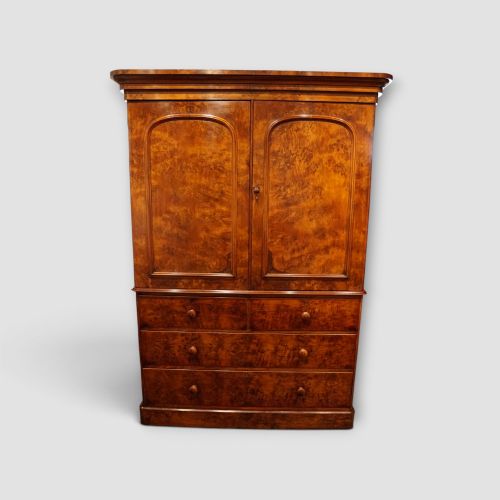
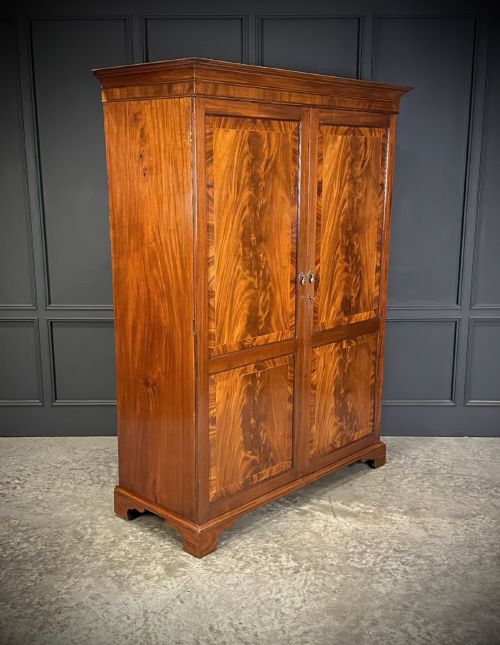
Buyers encounter forms ranging from traditional linen presses and housekeeper cupboards to large wardrobes, armoires, and compactum units. Woods such as mahogany, oak, pine, and walnut dominate the construction, often enhanced by flame mahogany veneer or burr walnut.
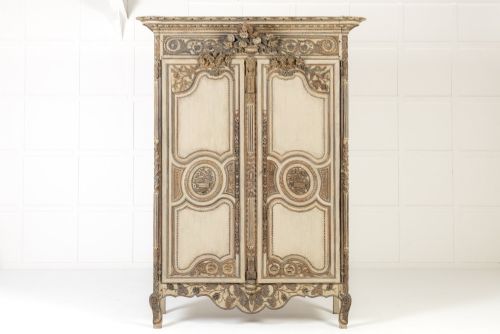
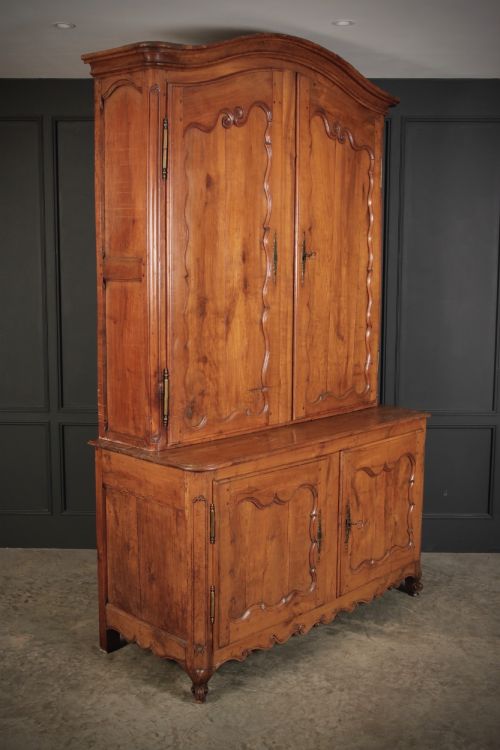
Origins stretch across English, French, Dutch, Hungarian, and Tuscan workshops, showing regional preferences in timber choice and decorative details. Pieces integrate shelving, hanging space, and sliding drawers behind panelled or mirrored doors.
How they were made
Cabinet makers utilised dense hardwoods like mahogany, oak, and walnut alongside softer timbers such as pine and chestnut to build structural carcases. Selected sections received decorative veneers, including flame mahogany and burr walnut, to create dramatic grain patterns on primary display surfaces.
Joinery techniques relied on sturdy frame and panel construction to accommodate the natural movement of large timber sections over time. Brass hardware, iron fixtures, and glass panels were incorporated into doors and drawers, while hand-waxed or painted finishes protected the exterior wood.
Listings feature pieces spanning the eighteenth century through to the Edwardian era, constructed in oak, mahogany, pine, and walnut.
What varies in quality
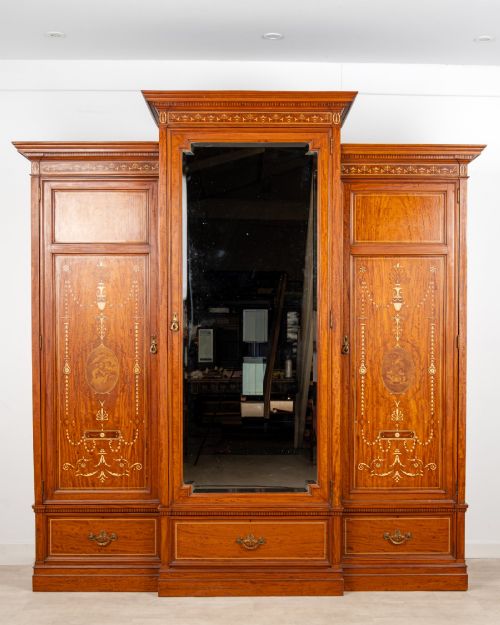
The selection of timber grade dictates visual distinction, with finely figured burr walnut and flame mahogany veneers marking out superior examples. Cabinetry finesse shows in the tightness of the joints, the weight of the timber, and the balance of proportions across multi-door breakfront formats.
Original hardware, untouched patination, and sophisticated interior configurations elevate a piece above standard utility items. Regional variations, from intricate Edwardian satinwood inlay to robust Dutch oak framing, demonstrate the maker's skill and ambition.
Maple & Co
The Large Wooden Linen Press Glossary
- Linen press
- A tall cupboard traditionally used for storing pressed linen and garments, usually featuring sliding trays or drawers in the upper section and deeper drawers below.
- Breakfront
- A piece of furniture where the central section projects forward from the flanking outer sections, adding architectural depth to large wardrobes and cupboards.
- Compactum
- A multi-compartment wardrobe designed to maximise storage efficiency by combining hanging space, sliding trays, and drawers within a single unit.
- Veneer
- A thin layer of highly figured wood, such as burr walnut or flame mahogany, applied over a stable secondary timber carcase to create decorative surfaces.
- Armoire
- A large freestanding cupboard or wardrobe of continental European origin, typically fitted with doors enclosing shelving or hanging space.
Large Wooden Linen Press: Frequently Asked Questions
What is a linen press?
A linen press is a tall storage cabinet designed originally to keep textiles flat and organised on internal sliding trays or shelves.
Lower sections typically incorporate chest drawers for additional garments and household items.
How do I date a wooden wardrobe?
Dating relies on identifying the prevailing timber choices, construction techniques, and decorative styles of periods like the Georgian or Victorian eras.
Secondary woods, handle types, and assembly methods also provide reliable chronological markers.
Are these cupboards easy to dismantle?
Many large period wardrobes and presses feature knockdown construction designed to facilitate transport between rooms.
Bolted carcases and removable cornices allow these heavy wooden items to be maneuvered through standard doorways.