
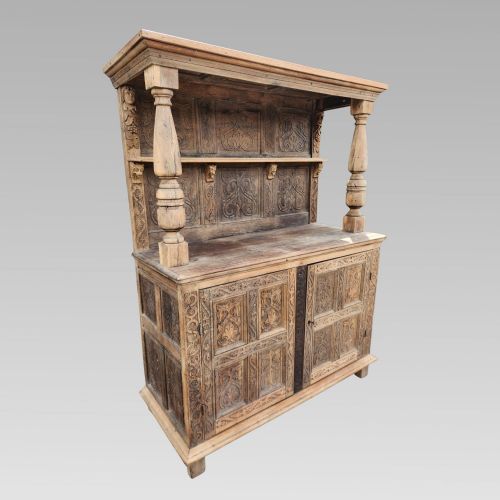


Rustic French Kitchen Dresser
These rustic french kitchen dresser examples bring enduring provincial utility into modern homes through honest timber construction and regional domestic history.
Rustic French Kitchen Dresser
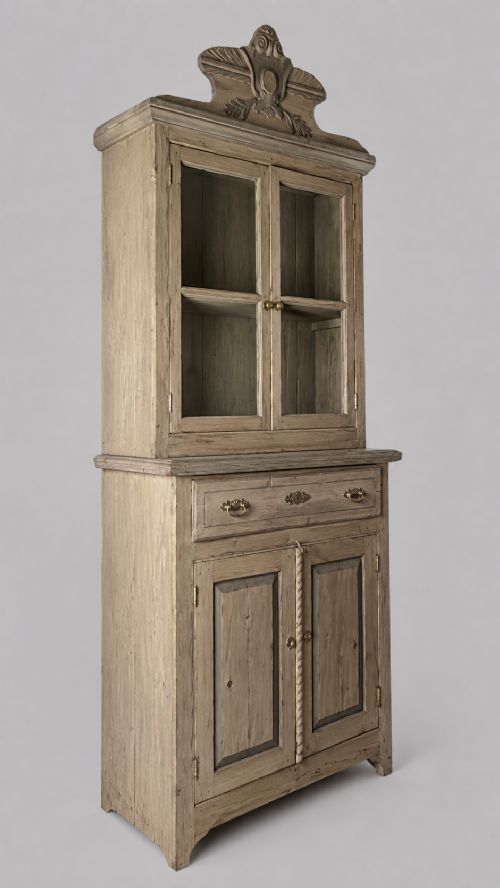
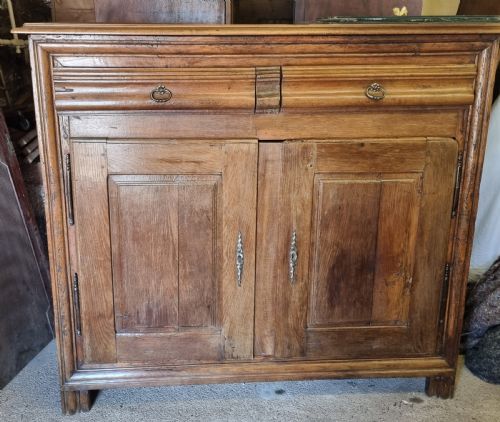
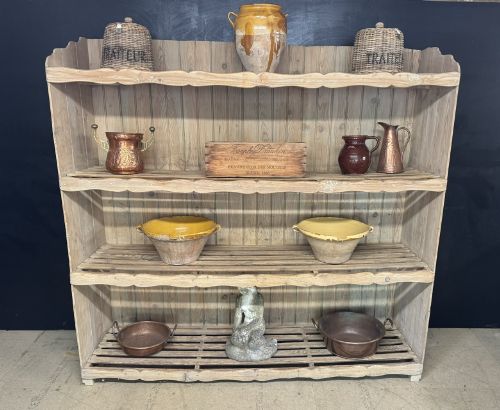
A rustic french kitchen dresser is a utilitarian storage piece originating from provincial domestic spaces, designed to hold tableware, provisions, and kitchen implements. Buyers seeking this phrase encounter practical forms that range from open shelving units and potboards to enclosed cupboards and multi-part vaisseliers.
The pieces listed on this page span the eighteenth, nineteenth, and early twentieth centuries, capturing shifts in regional domestic life. Examples include glazed cupboards, bakers racks, harvest serving tables, and fruitwood house maid cupboards.
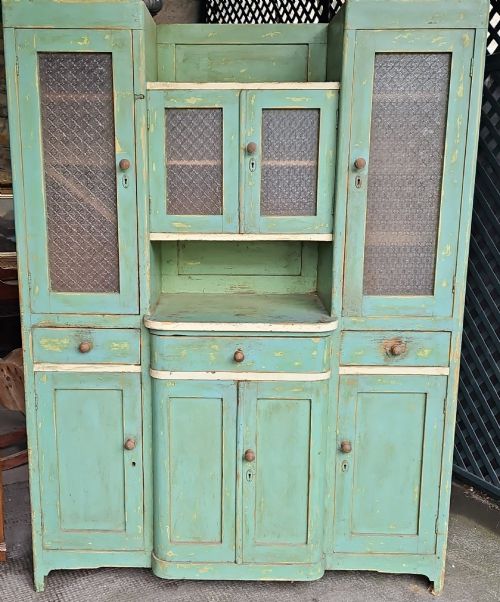
French provincial and country styles dominate the selection, reflecting a vernacular design tradition rooted in utility rather than courtly ornament. Buyers most frequently meet oak, pine, and painted wood iterations that show the honest wear of generations of domestic use.
How they were made
Makers constructed these pieces using regional hardwoods and softwoods, predominantly selecting oak, fruitwood, chestnut, walnut, and pine. These timbers were sourced locally and joined using traditional methods suited to heavy daily domestic service.
Surface treatments vary from natural waxed finishes to painted wood and distressed metal, reflecting the practical needs of rural kitchens. Iron and brass hardware, alongside glass panes, complete the construction of glazed cupboards and storage cabinets.
Materials across these listings include oak, pine, fruitwood, walnut, chestnut, painted wood, brass, iron, glass, and steel.
What varies in quality
The quality of a piece depends upon the choice of timber and the integrity of its regional construction. Heavier hardwoods like oak and walnut offer structural longevity that lighter pine or secondary timbers do not match.
Proportion and surface finish distinguish finer provincial work from utilitarian workshop items. Original painted finishes, patinated fruitwood, and integrated hardware retain higher historical character than heavily altered or later replacement elements.
The Rustic French Kitchen Dresser Glossary
- Vaisselier
- A traditional French dresser or cupboard specifically designed for displaying and storing plates and tableware. These pieces often combine open upper shelving with enclosed lower cabinets.
- Fruitwood
- Timber derived from fruit-bearing trees such as pear, cherry, or apple, frequently utilised in provincial cabinetmaking. It yields a warm tone and fine grain.
- French Provincial
- A regional design style originating from the French countryside, prioritising practical utility and local materials over ornate court aesthetics.
- Bakers Rack
- A utilitarian metal or timber shelving unit originally employed in food preparation and baking. Examples incorporate open framework for air circulation around provisions.
Rustic French Kitchen Dresser: Frequently Asked Questions
How are these dressers cleaned?
Maintenance involves dusting with a dry cloth and occasionally applying natural wax to timber surfaces. Avoid harsh chemical cleaners that strip the historic patina.
Keep pieces away from direct heat sources and excessive moisture to protect the structural integrity of the antique wood.
What periods do these pieces span?
The selection includes items dating from the eighteenth century through to the early twentieth century. Common periods represented are the nineteenth century and the Edwardian era.
Construction methods and timber choices generally align with the specific rural region and production date of each individual item.
Can these dressers hold heavy tableware?
Solid hardwood construction in oak, walnut, and chestnut provides robust support for everyday dishware and kitchen items. Pine and fruitwood variants suit lighter domestic storage requirements.
Evaluating the joint integrity and shelf support helps determine the appropriate load capacity for daily use.
Where were these dressers originally used?
Rural households, farmhouses, and provincial kitchens utilised these pieces for storing food, kitchen utensils, and ceramic tableware. Field kitchens and bakeries employed specialised metal and timber iterations.
Their practical design allowed for efficient organisation in busy domestic working environments.