
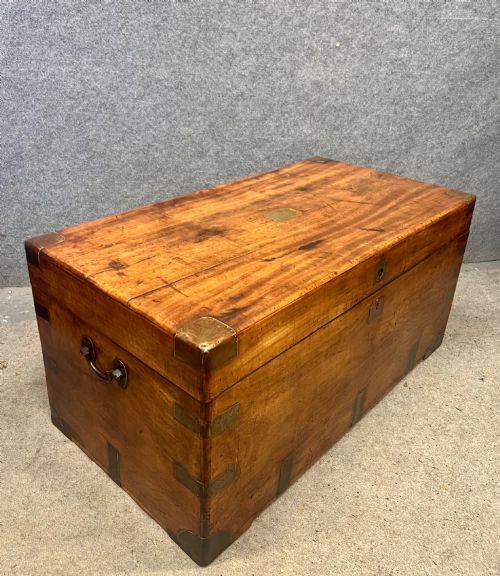

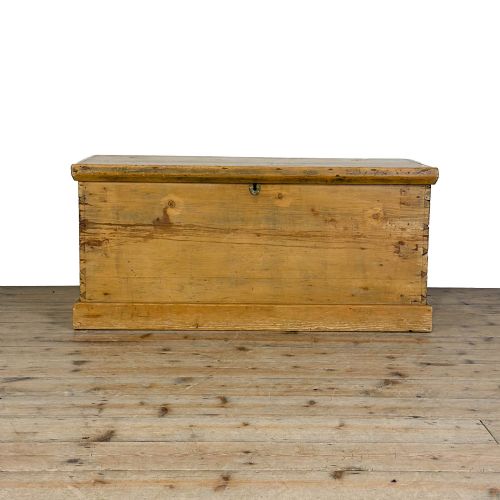
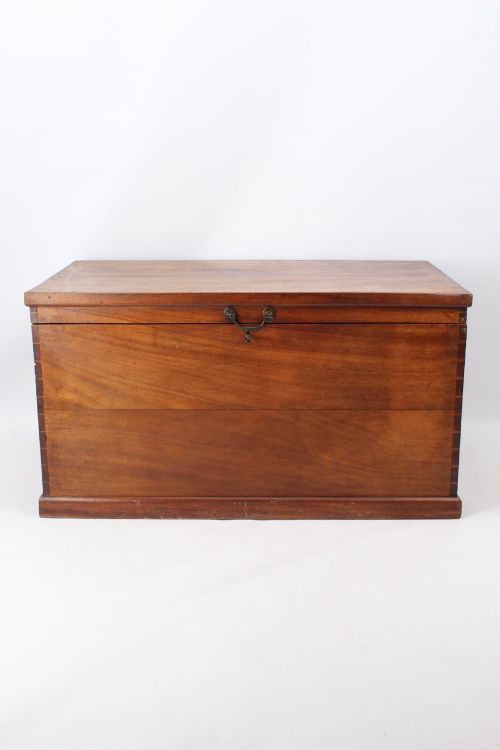
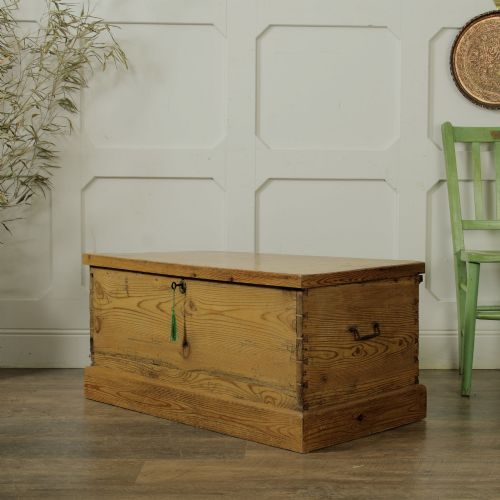
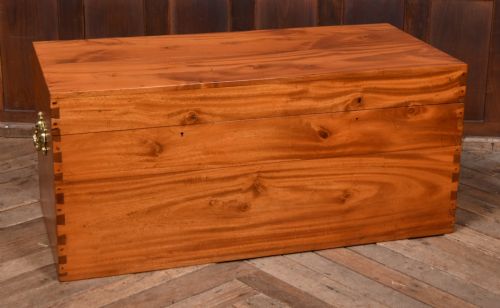
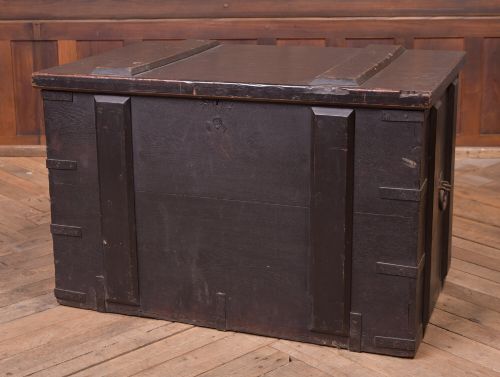
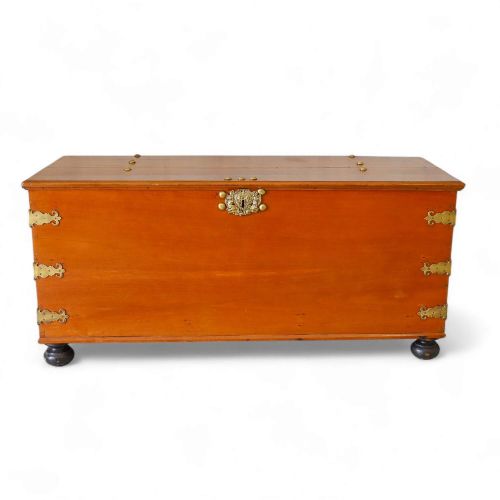
Large Wooden Blanket Chest
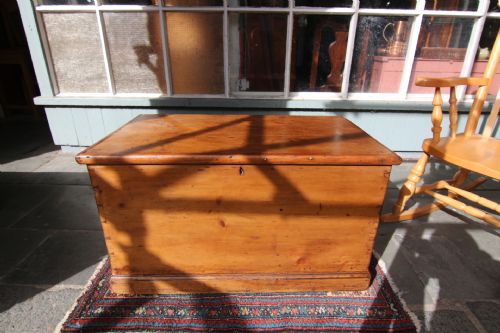
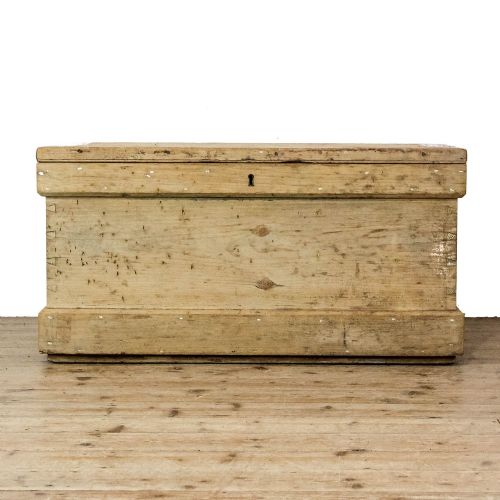
A large wooden blanket chest holds textiles and linen while anchoring a room with substantial grain and history.
Large Wooden Blanket Chest
When you search for a large wooden blanket chest, you encounter robust storage furniture designed to hold garments, bedding, and household goods. These items appear across centuries from the seventeenth through the early twentieth, reflecting utilitarian origins in domestic and travel settings.
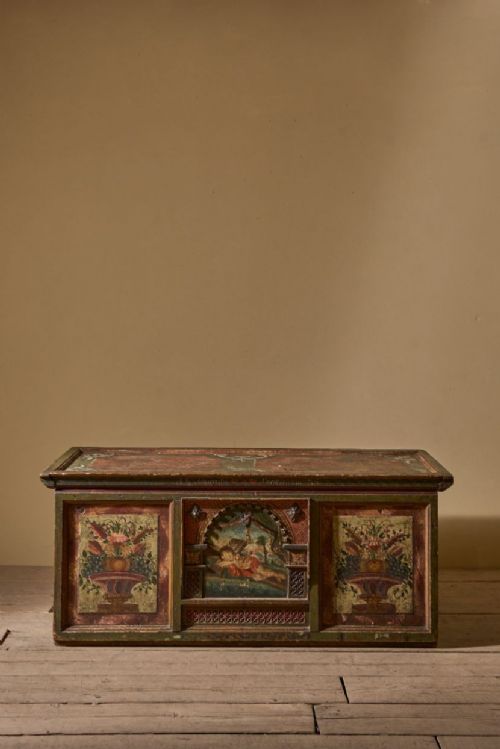
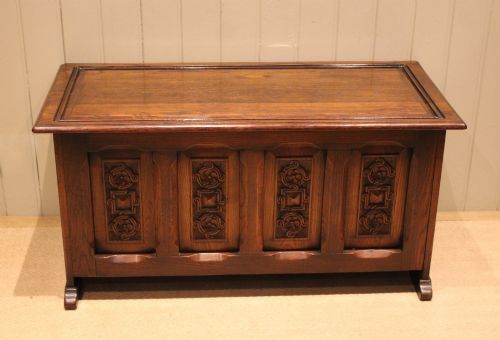
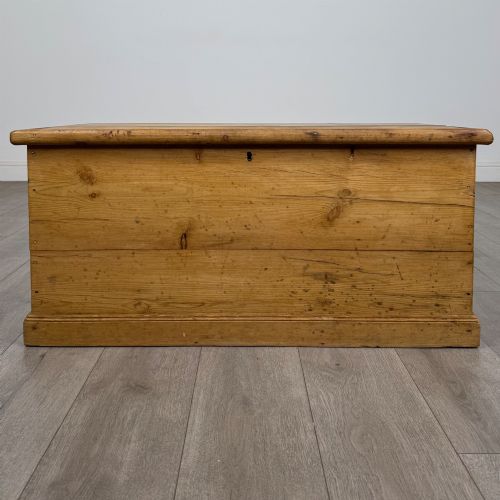
The selections here are heavily populated by Victorian and Georgian examples, alongside earlier seventeenth and eighteenth-century oak coffers and nineteenth-century camphor wood or teak trunks. Forms range from simple pine blanket boxes to brass-bound campaign chests and carved colonial dowry pieces.
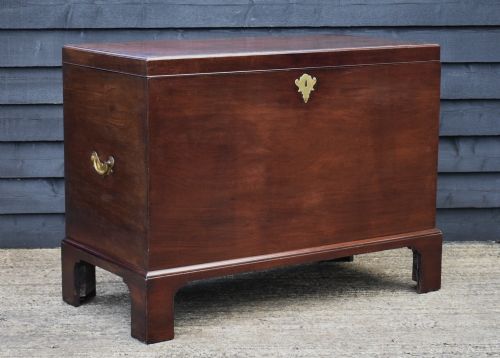
Makers utilised native and exotic timbers to construct receptacles that stood up to heavy use in homes, on ships, and across colonial outposts. The resulting variety spans plain rustic farmhouse pine, panelled oak, and richly figured mahogany or walnut.
How they were made
Carpenters and joiners built these pieces using solid timbers such as oak, pine, mahogany, teak, and camphor wood, often joined with dovetail corners, mortise and tenon joints, or pegged panels. These methods provided the structural rigidity required for heavy storage and frequent relocation.
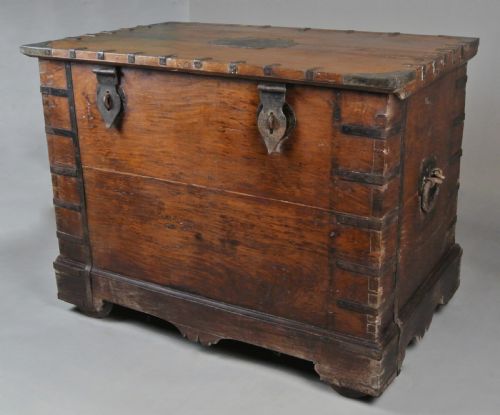
Hardware played a functional role in construction, with wrought iron bindings, brass corners, strap hinges, and carrying handles securing the lids and edges against transit damage. Many surfaces received finishes of clear wax, dark polish, or decorative paint layers depending on the regional tradition and period style.
Camphor trunks retain their distinct medicinal scent after centuries, continuing to keep moths away from stored woollens.
What varies in quality
The distinction between standard utility boxes and finer examples rests on the selection of timber and the precision of the joinery. Finely figured grains, crossbanding, and elaborate hand-carved panels separate high-status regional furniture from plain domestic storage trunks.
Originality of hardware and internal fittings also dictates the character of the piece. Retained brass strapwork, functional internal candle boxes, and untouched surface patination elevate a simple chest into a noteworthy example of period craftsmanship.
The Large Wooden Blanket Chest Glossary
- Coffer
- A heavy wooden chest traditionally used for storing valuables or dry goods. These sturdy boxes frequently feature carved panels and robust framing.
- Mule chest
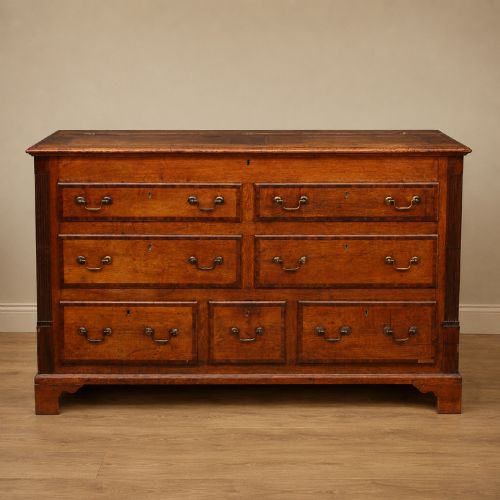
- A storage chest that incorporates one or more drawers at the base beneath the main compartment. This form bridges the evolution between the simple coffer and the modern chest of drawers.
- Campaign chest
- Travelling furniture constructed in sections with recessed brass handles and corner brackets. Officers utilised these modular chests during military movements.
- Dowry chest
- A large decorative container commissioned to hold household linen and personal belongings for a bride. These pieces often display regional carving or painted decoration.
- Crossbanding
- A decorative border technique where thin strips of veneer are laid across the grain of the primary wood. This method creates a contrasting frame around drawer fronts or lid edges.
Large Wooden Blanket Chest: Frequently Asked Questions
What is a mule chest?
A mule chest is a storage chest featuring one or more drawers built into the base beneath the main lifting lid. This design allowed access to everyday items in the lower drawers without lifting heavy blankets from the top compartment.
Craftsmen often produced these pieces in oak and mahogany during the Georgian and later periods for domestic use.
How were camphor wood chests used?
Camphor wood chests served as travelling trunks and storage boxes because the natural oil in the timber repelled insects from textiles. Sailors and merchants utilised them on long sea voyages.
The aromatic wood protected woollens and linens from moth damage while enduring maritime conditions.
How do you date an oak coffer?
Dating an oak coffer involves examining the construction joints, panel thickness, and tool marks left by the carpenter. Early seventeenth-century pieces typically feature hand-rived panels and pegged frame construction.
Later Victorian reproductions or rustic country pieces often display machine-sawn timber and different fastening methods.
Where should I place a blanket chest?
A large chest functions well at the foot of a bed for storing spare bedding or serves as a coffee table in a living room. The flat top surface provides extra display space.
Keep wooden chests away from direct heat sources and radiators to prevent the solid timber from drying out and splitting.