

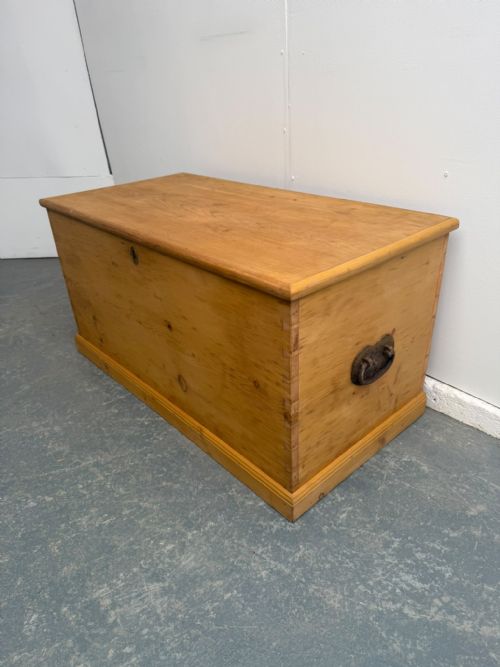


Vintage Pine Ottoman Chest
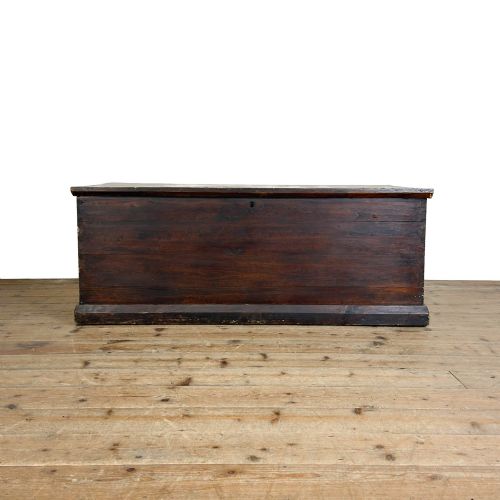
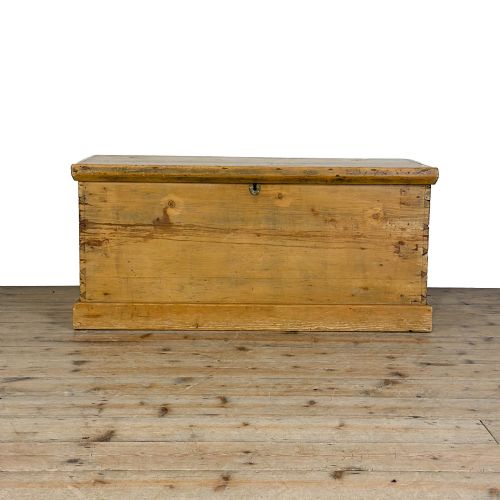
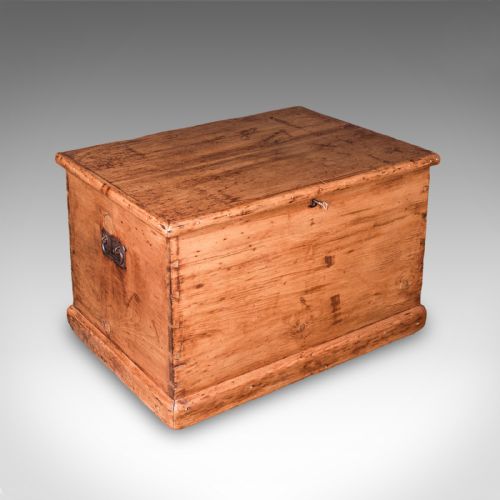
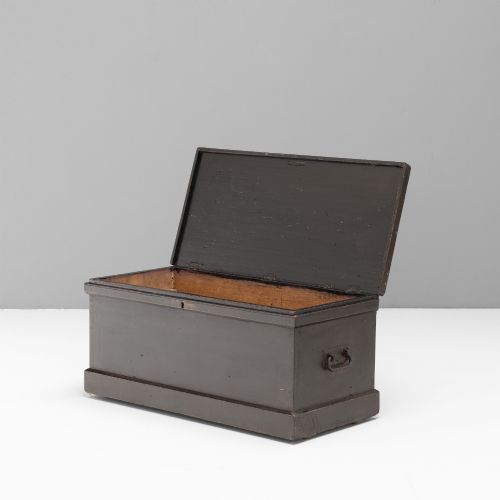
These vintage pine ottoman chests offer practical storage built from honest timber.
Vintage Pine Ottoman Chest
A vintage pine ottoman chest provides sturdy household storage with a distinct historical character. When you search for a vintage pine ottoman chest, you encounter robust trunks and blanket boxes constructed primarily from softwood timber. These utilitarian pieces originate from various eras, including the nineteenth and early twentieth centuries.
The selections available here predominantly span Victorian and rustic country styles. You will find items described as blanket boxes, carriage chests, and storage trunks alongside low forms adapted for use as coffee tables. Each piece reflects the functional requirements of domestic storage from past decades.
Origins vary across English country houses and farmhouses, yielding items finished with wax, paint, or stain. Many retain original hardware such as side lifting handles and working locks. The variety ranges from large polished boxes to stripped pine variants suited for contemporary interiors.
Materials and construction methods
Makers built these chests using solid pine timbers selected for practical utility rather than ornate display. Joinery prioritised durability to withstand heavy domestic use, often incorporating iron and brass fittings for reinforcement and carriage.
Surfaces received treatments ranging from traditional wax finishes and paint to dark stains. Upholstered variants incorporated fabrics and baize linings to protect stored textiles within domestic chambers.
Vintage Pine Ottoman Chest Retail Price Guide 2026
Typical asking prices for vintage pine ottoman chest among the pieces listed under this phrase on Sellingantiques today, from the lower quarter to the upper quarter. They describe what is for sale here now, not the wider market.
The listings span the Victorian era, the nineteenth century, and the year 1920, utilising pine combined with iron, brass, fabric, and baize.
Distinctions in quality
Quality in these chests rests upon the integrity of the solid pine construction and the retention of original hardware. Pieces featuring working locks and robust side lifting handles demonstrate superior utility from their period of manufacture.
The nature of the surface finish also defines the standard of the piece. Deeply polished wax finishes or well-preserved historical paint schemes elevate an ordinary storage box into a finer example of country house craftsmanship.
The Vintage Pine Ottoman Chest Glossary
- Pine
- A softwood timber widely utilised in British cabinet making and vernacular furniture production. It offers a pale grain that accepts wax and paint readily.
- Baize
- A coarse woolen material historically used to line the interiors of storage boxes and blanket chests. It protects delicate garments from friction against the timber.
- Ottoman
- A padded or upholstered chest designed for seating or storage. In this context, it describes low, wide boxes adaptable for domestic living spaces.
- Carriage chest
- A heavy-duty storage trunk built for travel or transit, typically fitted with robust metal handles. These pieces were designed to endure rigorous handling.
- Stripped pine
- Timber that has had later layers of paint or dark varnish removed to reveal the raw grain underneath. This treatment became popular in later restoration practices.
Vintage Pine Ottoman Chest: Frequently Asked Questions
What were pine chests used for originally?
These chests served primarily as domestic storage for heavy woolens, blankets, and household linens. Their robust construction protected contents from dust and damp conditions in period homes.
Larger trunk variants also functioned as travel luggage for carriages or ships, while sturdier carriage chests accommodated heavier belongings during transit.
How do I date a pine chest?
Dating relies upon examining construction methods, timber thickness, and historical hardware such as iron hinges and brass locks. Victorian pieces often display distinct hand-planed surfaces and dovetail joinery.
Later pieces from the early twentieth century show more standardised mechanical fixings and simpler internal layouts without secondary wood linings.
Can I use a chest as a coffee table?
Low and wide variants of these chests lend themselves naturally to use as coffee tables in modern living spaces. Their flat lids provide a stable surface for everyday items.
When using a trunk this way, ensure the hinges and lid remain stable and support weight evenly without stressing the historical timber joints.
How should I care for waxed pine?
Waxed pine requires periodic application of traditional beeswax to nourish the timber and maintain its protective lustre. Avoid placing these chests near direct heat sources to prevent the wood from splitting.
Dust surfaces gently with a dry cloth and remove spills immediately to preserve the historical wax finish against moisture damage.