



Large Walnut Glazed Cabinet
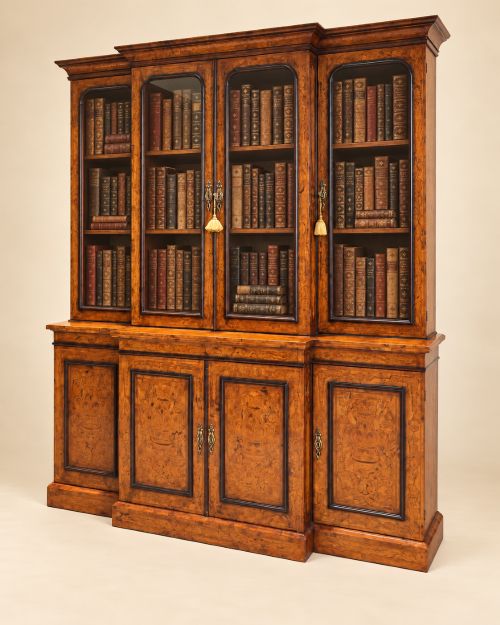
A large walnut glazed cabinet gives a room immediate weight, housing books or porcelain behind glass.
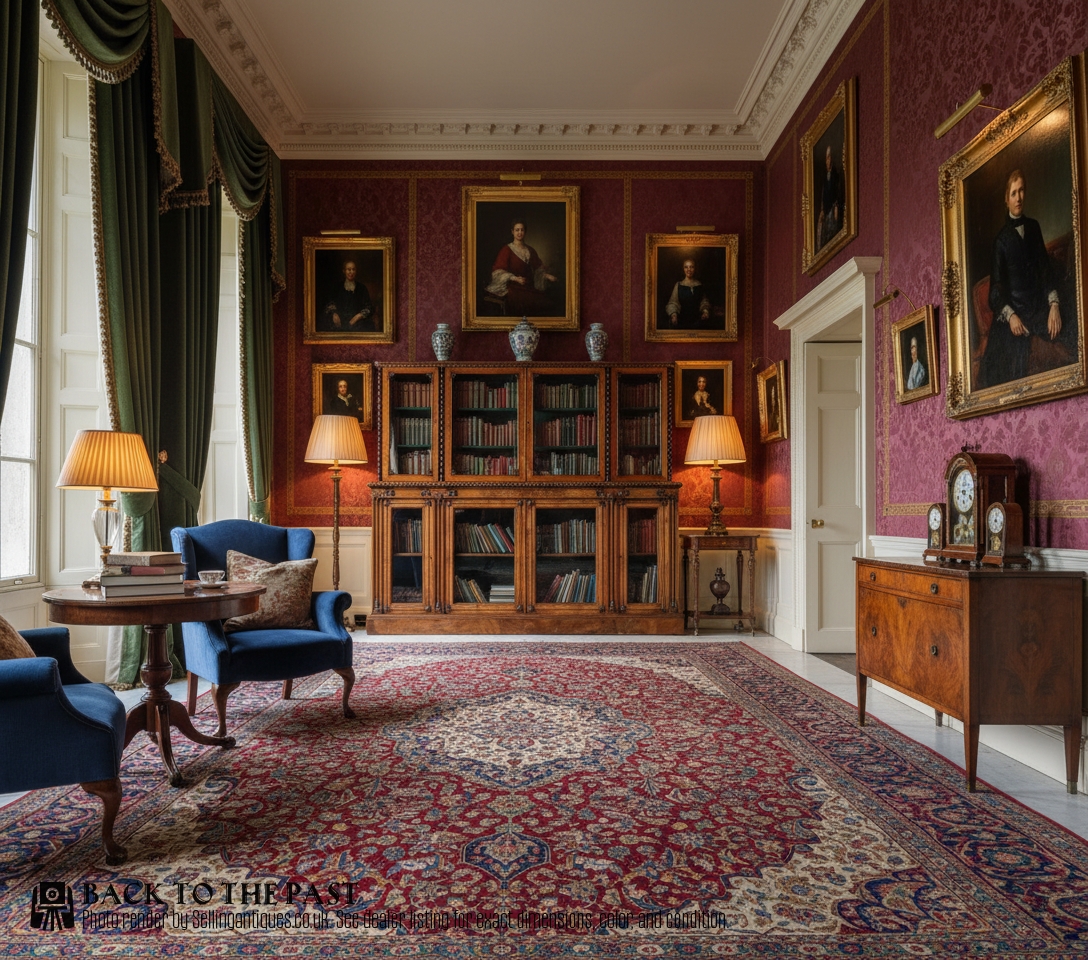
Large Walnut Glazed Cabinet
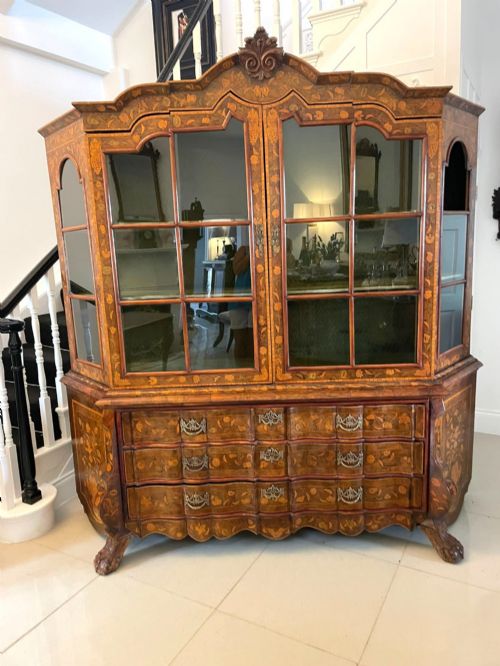
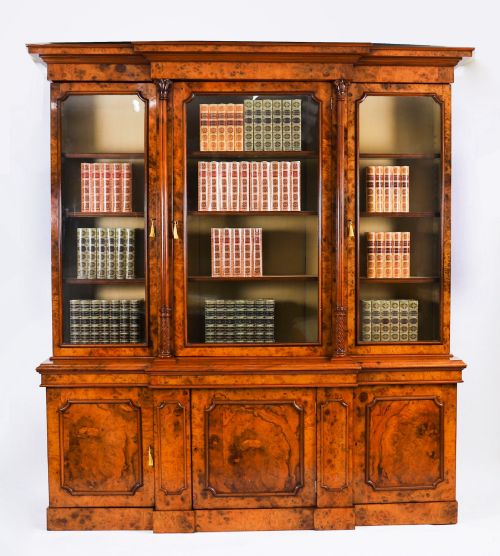
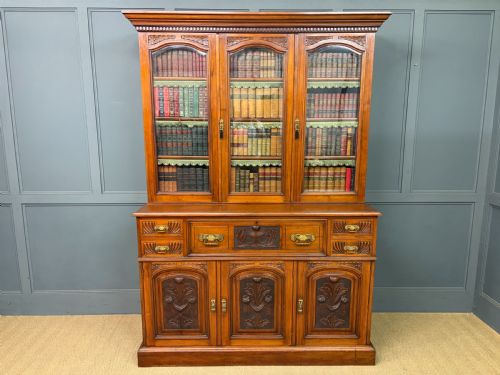
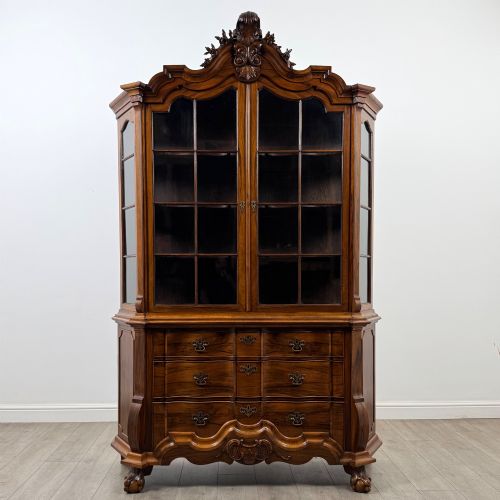
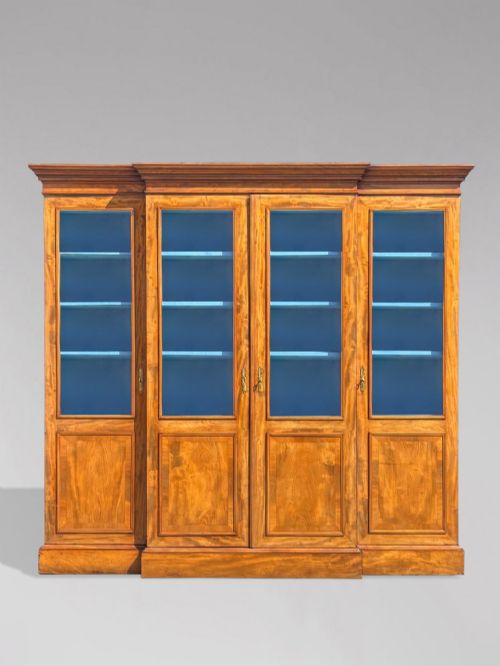
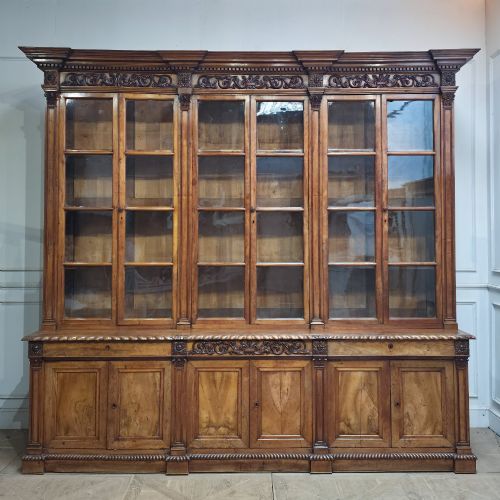
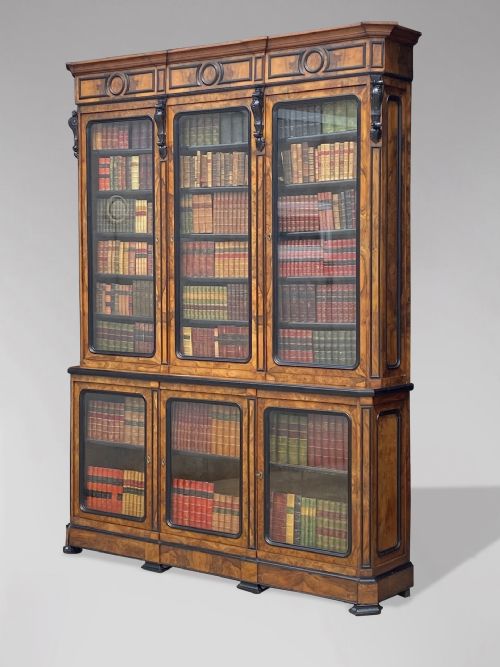
A large walnut glazed cabinet combines ample storage with display space, appearing most often on this page as a nineteenth century Victorian bookcase, a French library piece, or an Edwardian display cabinet. These substantial furniture forms stand prominently in rooms, using glass doors to protect collections while keeping them visible.
The selection ranges from breakfront bookcases and credenzas to pier cabinets and vitrines, originating from English workshops, French ateliers, and Italian makers. Walnut figures as the primary timber across these diverse regional styles, spanning periods from the early nineteenth century through to the art deco era.
Materials and construction
Cabinet makers built these large pieces using solid walnut and decorative burr walnut veneers over secondary timbers, often adding boxwood inlay, ebonised wood, amboyna, or floral marquetry to enrich the surfaces. Ormolu mounts and brass hardware appear frequently on French and Victorian examples, accentuating the architectural lines of the doors and cornices.
Glass panels were set into timber frames to create large viewing areas for books and porcelain, while internal shelving accommodated adjustable heights. Carved details and shaped bombe profiles required advanced joinery techniques executed by skilled hands.
Large Walnut Glazed Cabinet Retail Price Guide 2026
Typical asking prices for large walnut glazed cabinet among the pieces listed under this phrase on Sellingantiques today, from the lower quarter to the upper quarter. They describe what is for sale here now, not the wider market.
Listings feature walnut, burr walnut, amboyna, and ebonised wood across Victorian, Edwardian, and Art Deco periods.
What distinguishes the quality
Quality rests in the choice of timber and the precision of the decorative inlay, where figured burr walnut and intricate boxwood stringing elevate a piece far above plain surfaces. The depth of the hand carving, the integration of cast ormolu mounts, and the crispness of marquetry details reveal the maker's mastery.
Structural integrity matters equally, seen in the smooth operation of large glazed doors, the stability of heavy breakfront cornices, and the preservation of original glass and brass fittings. Pieces bearing the signatures of notable firms demonstrate superior workshop standards.
Waring & Gillow·Holland & Sons·Druce & Co
The Large Walnut Glazed Cabinet Glossary
- Burr walnut
- A figured timber grain formed from tree growths, producing swirling patterns highly prized for cabinet veneers.
- Breakfront
- A cabinet design where the central section projects forward from the flanking wings.
- Credenza
- A low sideboard or cabinet, frequently fitted with glass doors and decorative mounts, used for display.
- Ormolu
- Gilt bronze mounts applied to furniture for decorative enrichment, common on French nineteenth century pieces.
- Marquetry
- Elaborate patterns created by fitting different wood veneers together to form floral or geometric pictures.
Large Walnut Glazed Cabinet: Frequently Asked Questions
Where should I place a large cabinet?
These substantial pieces require a generous wall in a dining room, library, or drawing room where their height and depth can command the space without obstructing movement. Keep them away from direct sunlight and strong heat sources to protect the walnut veneer and antique glass.
Ensure the floor is level so the heavy glazed doors hang true and open without catching on the frame. Adequate clearance in front is essential for accessing deep shelves and lower cupboards.
How do I care for walnut and glass?
Dust the walnut surfaces regularly with a soft, dry cloth and feed the timber occasionally with a quality wax to maintain its lustre and prevent the veneer from drying out. Avoid silicone polishes that can damage antique finishes over time.
Clean the glass panes with a mild glass cleaner applied to a cloth rather than sprayed directly, preventing moisture from seeping into the timber frame or joining edges.
What periods do these cabinets represent?
The selection spans the nineteenth century and into the early twentieth century, taking in Victorian, Edwardian, and Art Deco design movements. Regional variations include French Louis Philippe and Dutch revival styles.
Earlier nineteenth century examples often feature rich burr walnut and elaborate marquetry, while later pieces reflect cleaner art deco lines or classical revival proportions.
How can I tell a Victorian piece from an Edwardian one?
Victorian cabinets generally display heavier proportions, rich burr walnut veneers, and elaborate carvings or ormolu mounts, reflecting a taste for ornate display. They often incorporate classical revival motifs.
Edwardian and later cabinets tend toward lighter constructions, sometimes integrating simpler inlay work or reflecting revived eighteenth century styles with refined elegance.