



Large Walnut Commode
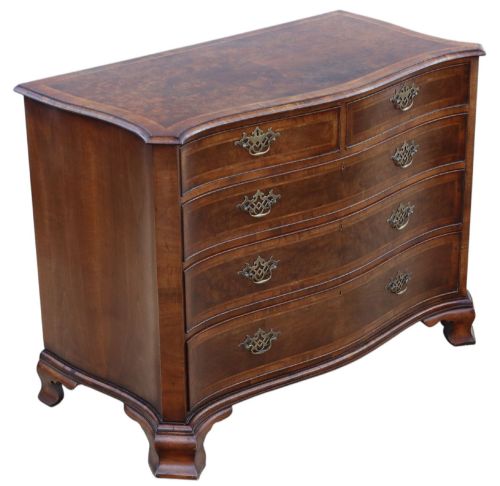
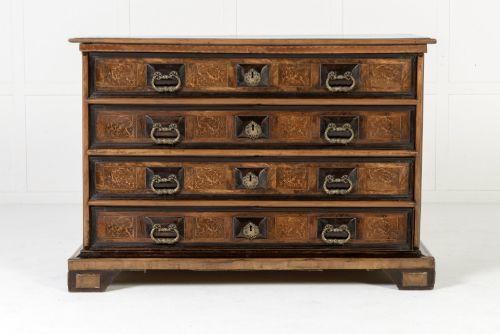
A large walnut commode is a substantial storage piece defined by rich grain and practical presence.
Large Walnut Commode
A large walnut commode offers deep drawers and generous surface space, anchoring a room with its architectural form. These pieces emerge across periods from the eighteenth century through the Victorian era and into the early twentieth century.
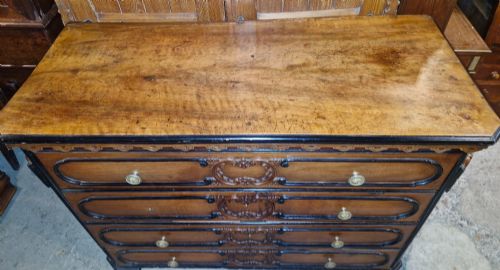
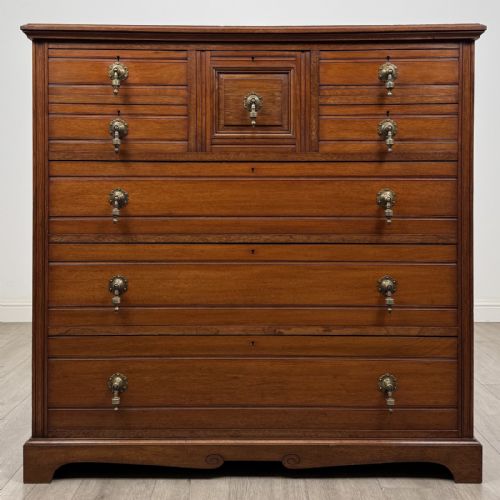
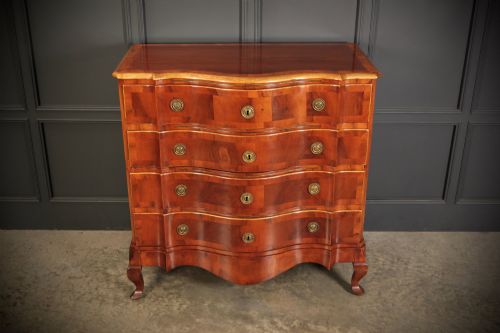
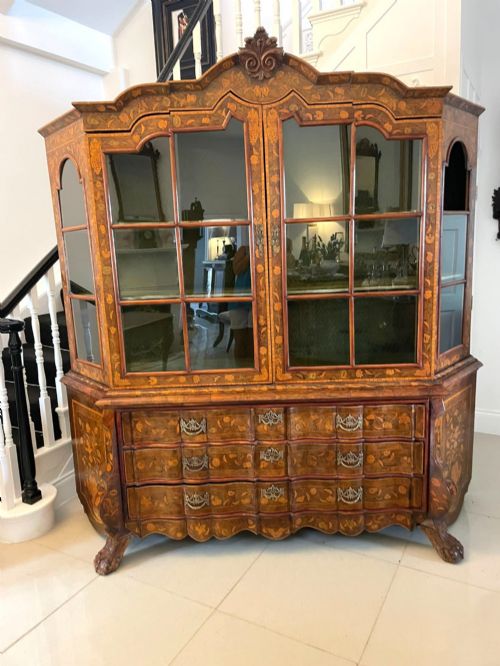
The versions met most often on this page take the form of serpentine chests, bombe sideboards, and marble-topped display cabinets. Walnut and burr walnut dominate the timber choice, frequently enhanced by marquetry or crossbanding.
Origin influences form noticeably, leading from Italian and Dutch baroque interpretations to French chateau influences and English gentleman's tallboys. Each region brings distinct shaping to the front and sides of the chest.
How they were made
Cabinetmakers constructed these frames primarily from solid walnut and oak, applying decorative burr walnut veneers to the visible exterior surfaces. This timber combination provided structural stability while displaying complex, figured grain patterns across the drawer fronts and top.
Advanced techniques such as floral marquetry, crossbanding, and ebonised wood detailing required precise hand-cutting and fitting. Ormolu mounts and brass hardware added functional and decorative weight to serpentine and bombe shapes.
Large Walnut Commode Retail Price Guide 2026
Typical asking prices for large walnut commode among the pieces listed under this phrase on Sellingantiques today, from the lower quarter to the upper quarter. They describe what is for sale here now, not the wider market.
The furniture forms span chests of drawers, display cabinets, commodes, and sideboards with serpentine and bombe fronts.
What varies in quality
The tier of a large walnut commode rests upon the ambition of its timber selection and the complexity of its silhouette. A piece featuring matched burr walnut veneer laid symmetrically across a serpentine front demands greater carpentry skill than a flat-fronted counterpart.
Secondary details separate standard production from exceptional work, particularly the crispness of marquetry inlay and the integration of cast bronze or ormolu mounts. The movement of the drawers and the weight of the timber linings reveal the underlying standard of the workshop.
The Large Walnut Commode Glossary
- Serpentine
- A furniture front curving inward at the centre and outward at the ends, creating a gentle undulating line. This shape requires advanced woodworking skill to fit drawers accurately.
- Burr walnut
- The highly figured timber taken from the wart or growth on a walnut tree. It produces swirling, intricate grain patterns prized for decorative veneer work.
- Marquetry
- The art of applying pieces of veneer to a structure to form decorative patterns or pictures. Craftsmen use various tinted woods to achieve tonal depth.
- Ormolu
- Gilded bronze mounts applied to furniture edges and feet. These decorative elements provide contrast against dark walnut surfaces.
- Bombe
- A swollen or bulging outward profile typical of continental furniture design. This curvaceous form requires specialised shaping of the internal frame and external drawers.
Large Walnut Commode: Frequently Asked Questions
Where should I place a large walnut commode?
These substantial pieces suit large hallways, dining rooms, or spacious bedrooms where their physical volume and decorative grain can be appreciated. Ensure adequate floor space so the drawers can open fully without obstruction.
Keep the commode away from direct sunlight and strong heat sources to protect the walnut veneer from drying out or splitting over time.
How do I care for walnut veneer surfaces?
Dust the wood regularly with a dry, soft cloth and polish occasionally with a traditional beeswax formulation. Avoid silicone-based sprays, which can penetrate old finishes and damage the timber.
Protect the top surface from moisture by using coasters under glasses and placing felt pads beneath decorative objects.
How do I identify an eighteenth century piece?
Look for construction traits such as hand-cut dovetails on the drawer sides and secondary timbers like oak used for internal framing. The finish should show a soft, aged patina developed through decades of handling.
Stylistic cues such as heavy baroque proportions or floral marquetry often point toward eighteenth-century continental workshops.
What is the difference between a commode and a chest of drawers?
While both serve similar storage functions, a commode typically refers to a low, decorative chest with French or continental styling, often featuring serpentine or bombe shaping. A standard chest of drawers is often taller and more utilitarian in its proportions.
Many continental commodes also feature marble tops or elaborate ormolu mounts that distinguish them from standard English chests.