


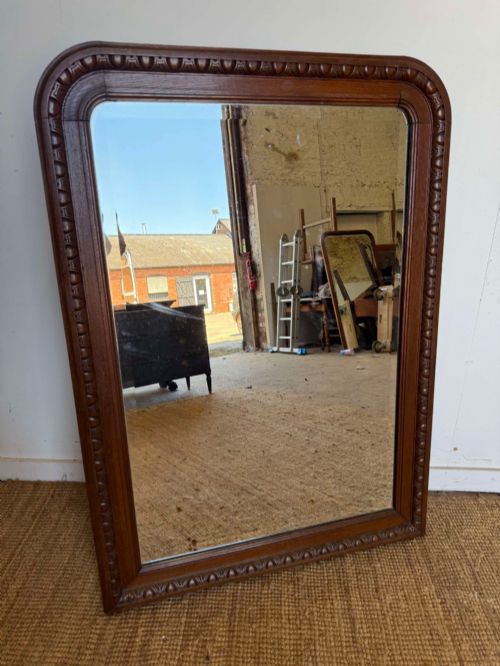
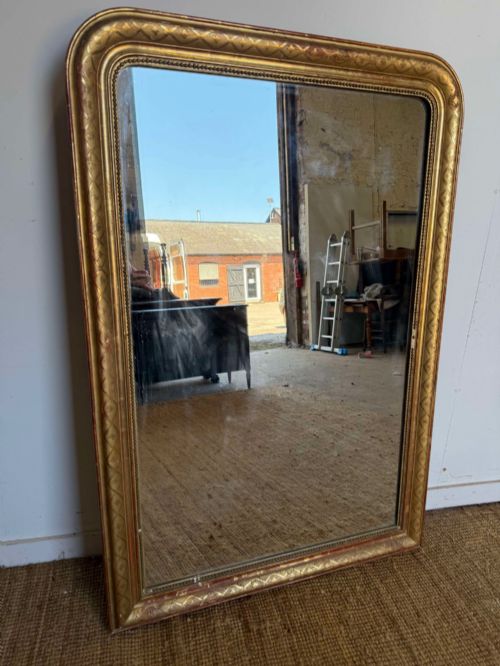
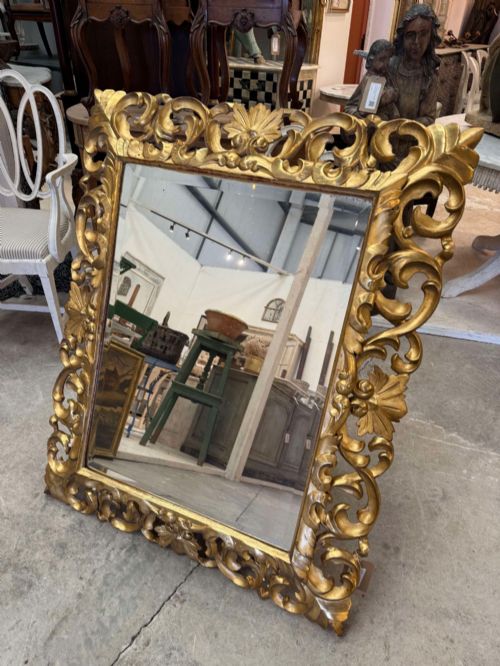


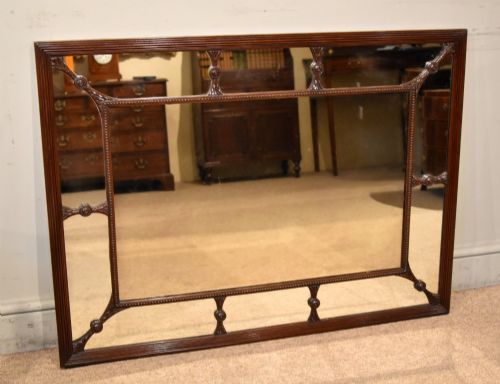
Large Vintage Frame
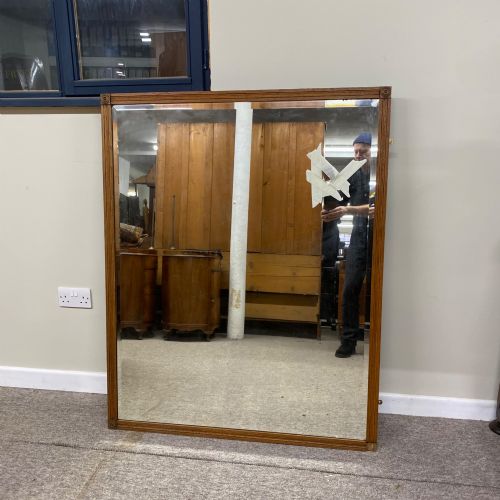
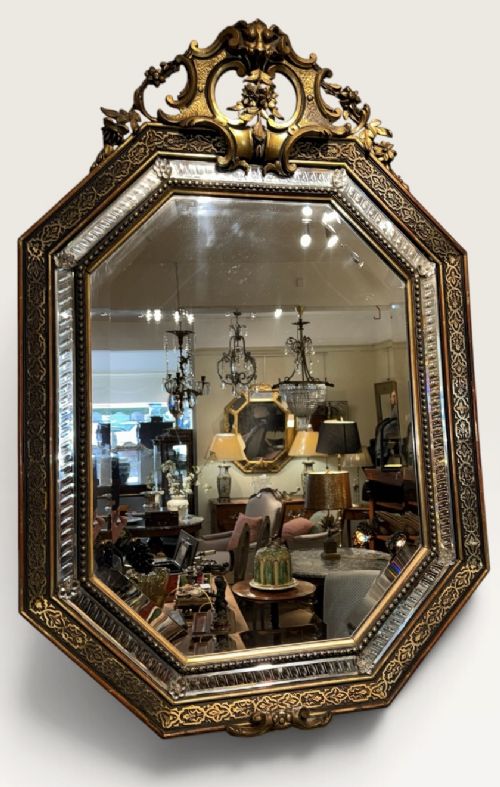
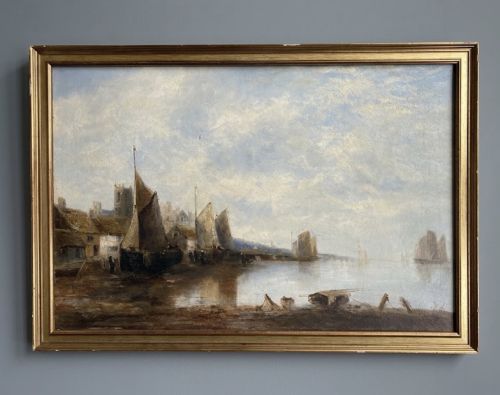
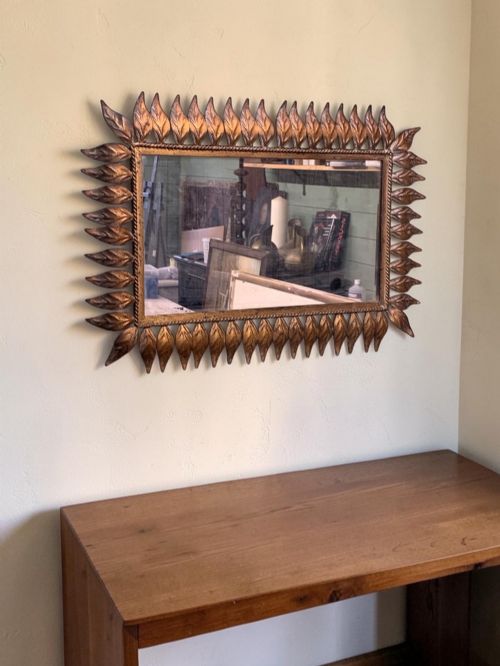
A large vintage frame holds the wall or carries an oil painting, bringing weight and period presence to a room.
Large Vintage Frame
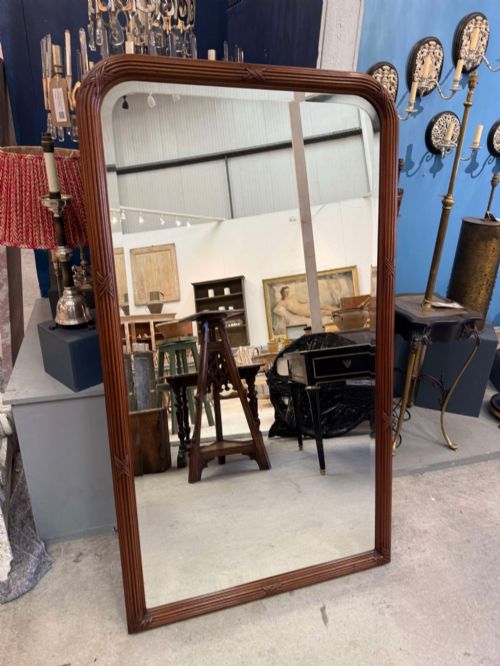
When searching for a large vintage frame, buyers find items spanning from the Georgian period through the nineteenth century and into the mid-twentieth century. The selection includes heavily carved giltwood overmantels, French Louis Philippe wall mirrors, and robust wooden surrounds designed for large oil paintings.
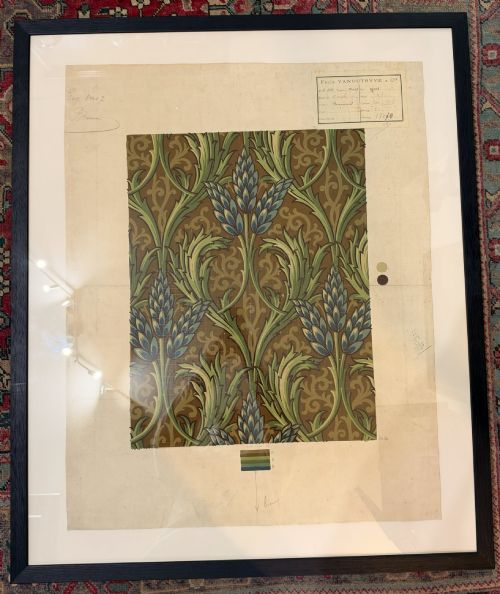
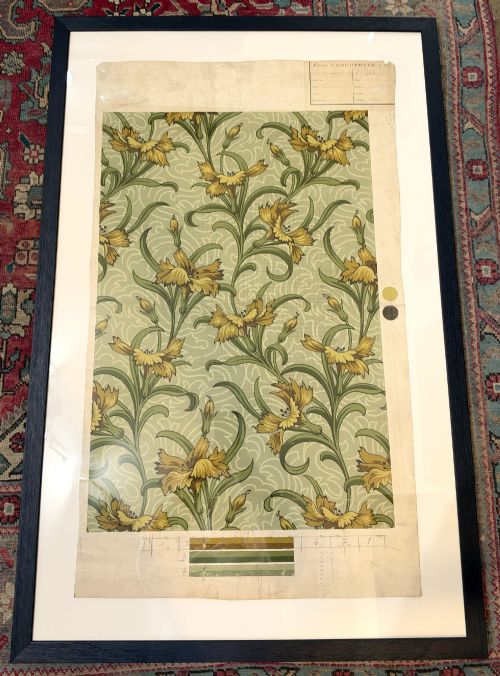
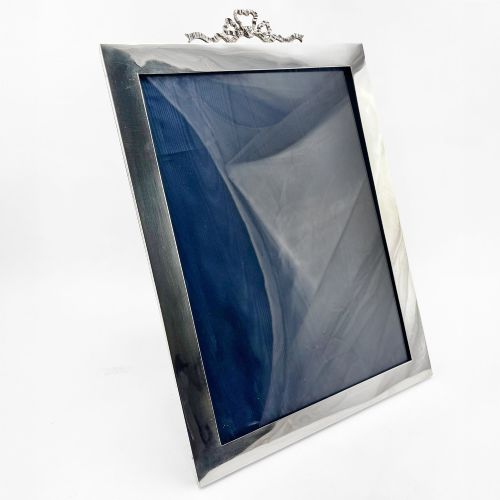
The assortment on this page leans heavily towards grand mirrors and substantial picture frames. Many items combine traditional joinery with decorative surface treatments, reflecting the interior tastes of Victorian, Edwardian, and mid-century makers.
Origins vary across British, French, Italian, and Dutch workshops. Buyers encounter everything from simple pine timber mouldings to ornate carved giltwood and gesso constructions designed to anchor a principal reception room.
How they were made
Makers constructed the structural carcasses of these pieces from timber such as pine, oak, and other native or imported woods. Joinery relies on traditional corner halving, mitring, and robust internal framing to support substantial glass or canvas weight.
Decorative surfaces frequently utilise gesso applied over wood, carved by hand and subsequently gilded with gold leaf or silver leaf. French and English pieces often display intricate moulded plaster ornaments secured to sturdy wooden foundations.
Glass elements in the mirror variations include traditional silvered plates and mercury glass, held securely within the rabbet by wooden backing boards and retaining original fixings.
Large Vintage Frame Retail Price Guide 2026
Typical asking prices for large vintage frame among the pieces listed under this phrase on Sellingantiques today, from the lower quarter to the upper quarter. They describe what is for sale here now, not the wider market.
Listings span several periods including Georgian, Victorian, Edwardian, and the 1960s, using materials like giltwood, brass, glass, and canvas.
What varies in quality
The distinction between ordinary and exceptional examples rests upon the depth and crispness of the hand-carved detail in the wood and gesso. Superior pieces retain sharp, undercut ornamentation where lesser items show soft, moulded plaster substitutes.
Originality of the surface finish dictates the standing of an example. Retaining the genuine period gilding or patinated wood without modern overpainting separates a museum-standard item from a heavily restored piece.
The structural integrity of the corner joints and the quality of the heavier mirror glass or backing materials determine the enduring durability of the construction.
Heals·Hoskins and Sewell·Evelyn Harris·C. Williams·Paja Jovanović·Gaastra·George F. Bird·Deidre Daines·George Armfield
The Large Vintage Frame Glossary
- Gesso
- A plaster mix applied to a wooden base to form a smooth surface for gilding or painting. It is built up in layers before being carved or moulded.
- Giltwood
- Timber, typically carved wood, coated with gold leaf. This finish defines many grand mirrors from the eighteenth and nineteenth centuries.
- Overmantel
- A large mirror or painting designed to hang specifically above a fireplace mantelpiece. These pieces often feature landscape proportions to fit the chimney breast.
- Louis Philippe
- A nineteenth-century French style characterised by understated elegance, often featuring rounded upper corners on mirrors. It bridges the gap between earlier ornate designs and later Victorian tastes.
- Mercury glass
- Silvered glass produced by pouring a mercury amalgam between double-walled glass panes during the nineteenth century. It creates a distinctive mottled reflection.
Large Vintage Frame: Frequently Asked Questions
Are the mirror plates original?
Many nineteenth-century frames retain their original mercury glass or early silvered plates, which often display characteristic foxing and light age spots. Replacement glass is sometimes fitted later in the lifespan of the piece.
Examining the silvering backing and the way the glass sits within the rabbet helps determine whether the plate dates from the same period as the outer frame.
How should I clean a gilded gesso frame?
Giltwood and gesso surfaces require extremely gentle dusting with a soft, dry brush or feather duster. Moisture and chemical cleaners strip the delicate gold leaf and soften the underlying plaster.
Professional conservators use specialist dry sponges for stubborn dirt. Avoid rubbing the raised decorative areas where the gilding is thinnest.
Can I use these frames for modern canvases?
Vintage frames provide striking contrasts for contemporary artwork, provided the rebate depth and internal dimensions match the new canvas thickness. Adjustments to the strainer or backing slips can accommodate different canvas depths.
Ensure the internal dimensions allow adequate clearance so the canvas sits comfortably without putting pressure on the delicate corners of the antique moulding.