


Large Victorian Wall Art
Large victorian wall art comprises substantial period canvases, framed prints and plaques that bring depth, scale and historic character to domestic interiors.
Large Victorian Wall Art
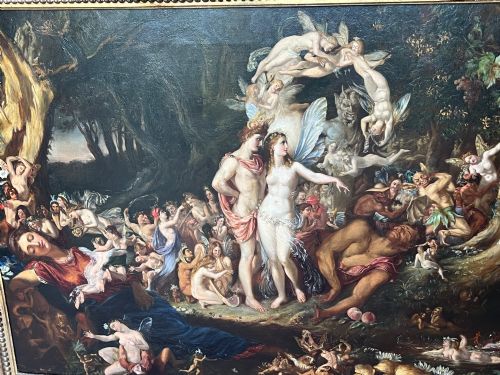
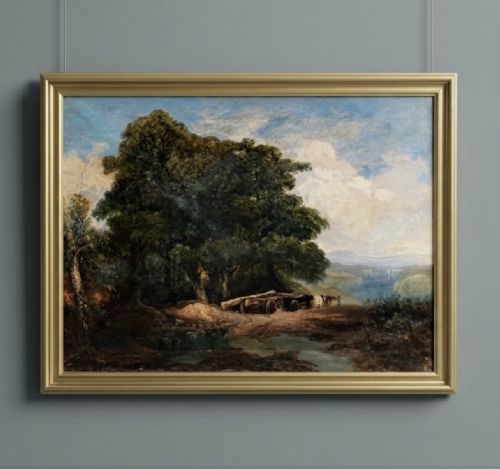
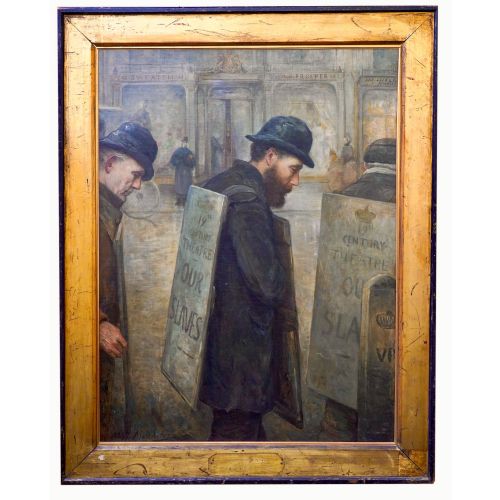
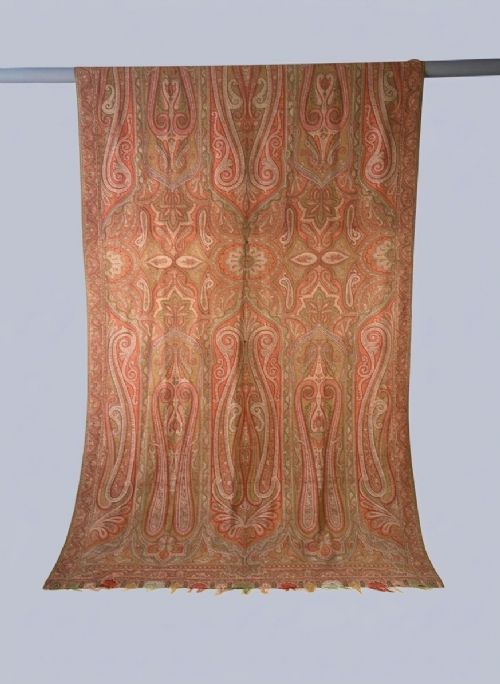
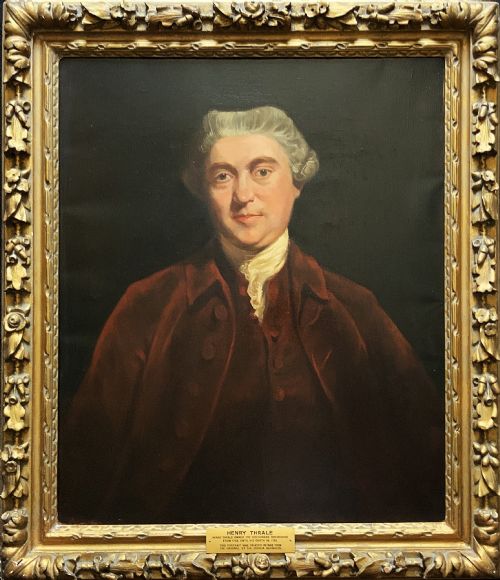
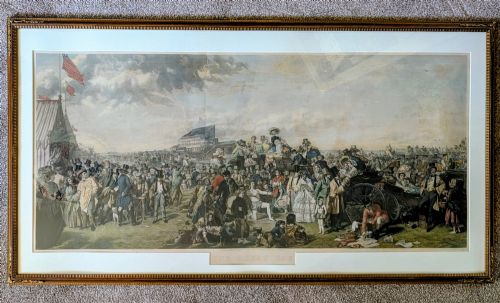
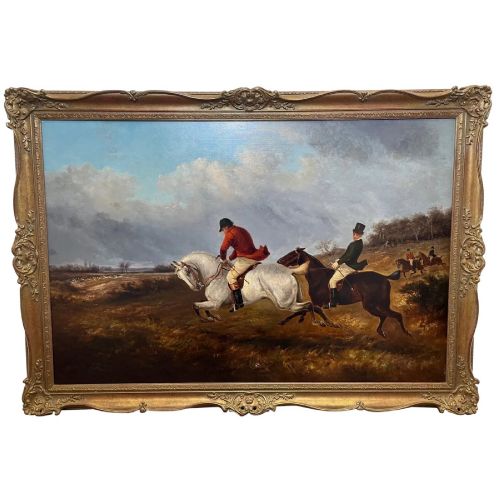
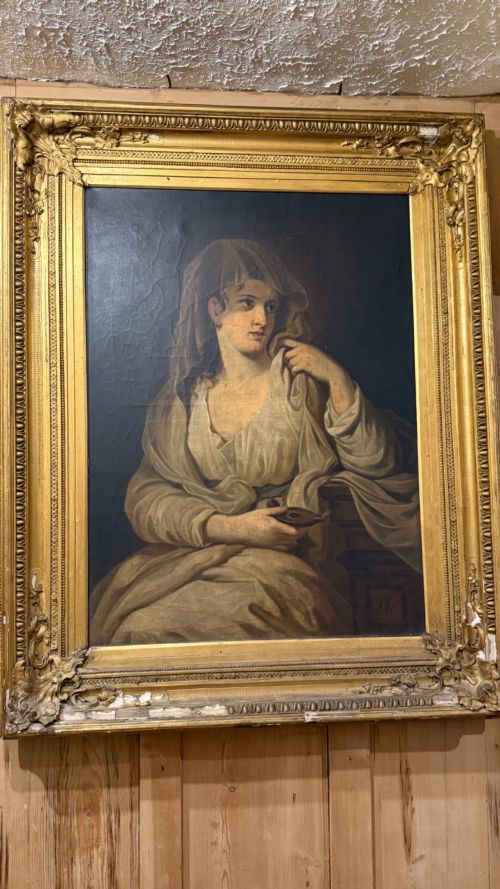
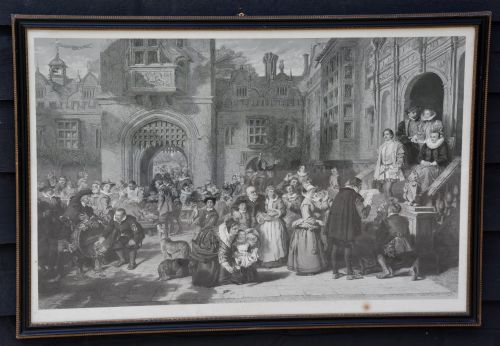
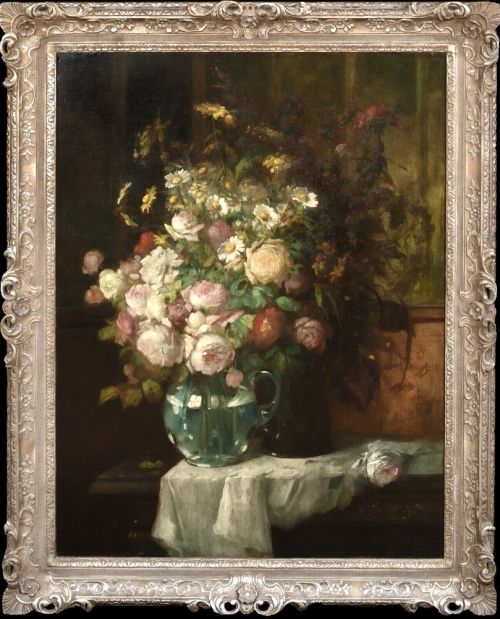
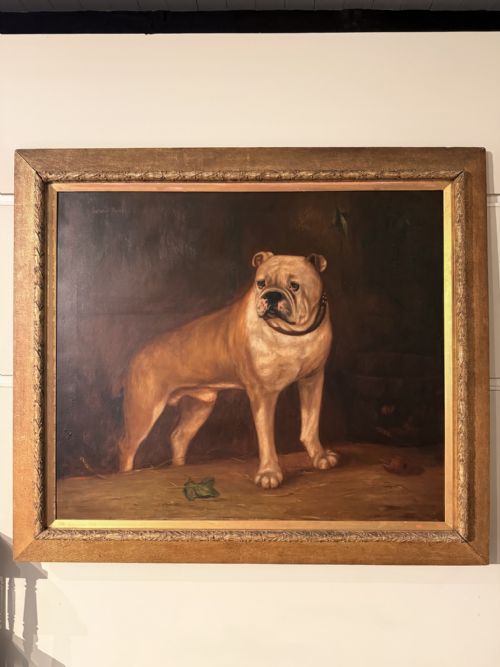
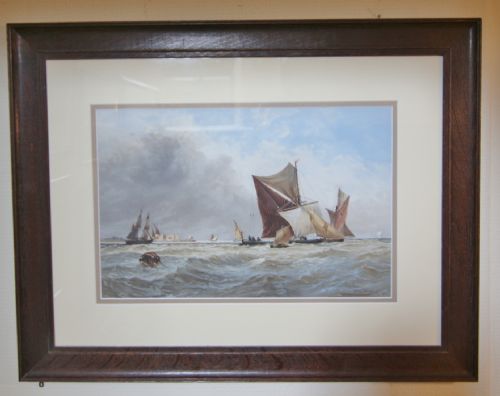
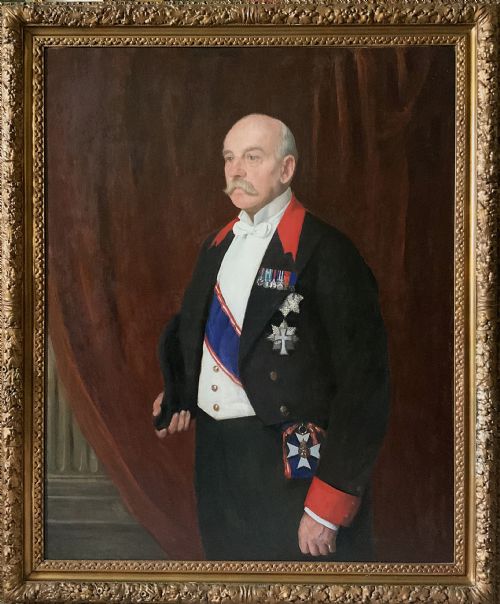
When searching for large victorian wall art, buyers encounter substantial oil paintings, framed engravings, watercolours and textile pieces dating primarily from the nineteenth century. These works frequently span major genres including pastoral landscapes, maritime scenes, portraiture and sporting subjects.
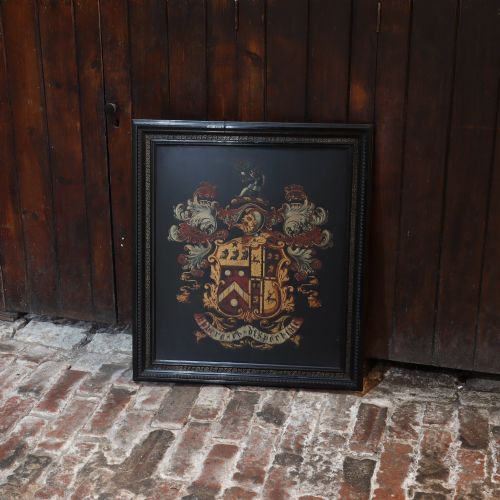
The pieces on this page originate from British, French and Austrian workshops and studios, reflecting the varied aesthetic interests of the era. Common formats include grand giltwood frames enclosing oil on canvas, glazed portrait prints and decorative wall plaques.
Many of these works were produced to dominate principal reception rooms, dining halls and galleries of nineteenth-century homes. Their enduring appeal lies in their commanding physical presence and the detailed narrative skill of the period's artists.
Materials and construction methods
The foundation of these works typically involves oil paint applied to stretched canvas, watercolour on paper, or gouache on heavy stock, supported by wooden stretcher frames. Artists utilised traditional pigments combined with linseed oils to achieve lasting depth and luminosity.
Framing forms an integral component, with many pieces housed in original giltwood or gesso frames decorated with moulded plaster ornamentation. Wood, glass and brass fixtures provide structural support and protection for delicate paper prints, engravings and silk patchworks.
Artworks feature pastoral landscapes, maritime views, historical portraits and sporting scenes by British and continental hands.
Factors influencing quality and execution
The distinction between ordinary and superior pieces rests on the artist's command of perspective, tonal gradation and brushwork control. Master practitioners achieve lifelike textures in foliage, textiles and animal coats, whereas lesser works display rigid composition and flat colour application.
The integrity of the supporting frame also determines overall standard, with hand-carved giltwood and intact gesso moulding commanding greater appreciation than later replacement frames. Preservation of the original canvas surface without extensive overpainting ensures the visual authenticity of the piece.
Sir Joseph Noel Paton·Richard Sebastian Bond·Felix Stone Moscheles·William Powell Frith·Thomas Smythe·Konstantin Stoitzner·T B Hardy·Clement Messier·Robert Cleminson·J C Dollman·John Moxon·Alexandre Le Bihan·William Henry Mander·Thomas Sidney Cooper·Thomas Bromley Blacklock·Thomas G Appleton·Stuart Lloyd·William Sydney Cooper·David Cox Jnr
The Large Victorian Wall Art Glossary
- Giltwood
- Wood that has been coated with a thin layer of gold leaf or gold paint. This technique was extensively utilised on nineteenth-century picture frames to create a reflective, decorative finish.
- Gesso
- A plaster-like mixture used as a base for moulding ornamental details on picture frames. Skilled artisans carved and gilded this material to produce ornate corner motifs and borders.
- Engraving
- A printmaking process where an image is incised into a metal plate using a sharp tool. The resulting lines hold ink to transfer detailed monochromatic images onto paper.
- Canvas
- A heavy woven fabric stretched tightly across a wooden frame to serve as a durable support for oil paintings. Its textured surface holds heavy impasto brushwork securely.
- Mezzotint
- A printmaking method that produces rich tonal gradations through the systematic roughening of a copper plate. It allows for subtle transitions between light and dark areas.
Large Victorian Wall Art: Frequently Asked Questions
How do I hang a heavy oil painting safely?
Substantial works require secure mounting directly into wall studs or masonry using heavy-duty picture hooks and braided steel wire rated well above the weight of the piece. Distributing the load across two separate hanging points keeps the frame level and prevents undue strain on the original wooden stretcher.
Professional wall fixings protect both the plaster and the antique frame from accidental shifting over time. Ensure the chosen height places the centre of the canvas at standard eye level for optimal viewing.
What lighting suits nineteenth-century oil paintings?
Warm, low-intensity LED picture lights mounted directly above the frame illuminate the canvas without generating damaging heat or ultraviolet radiation. Positioning the light source at an angle prevents harsh glare from bouncing off the glazed surface or varnished oil layers.
Direct sunlight should be strictly avoided to prevent the gradual fading of pigments and the yellowing of old varnish. Ambient room lighting combined with a dedicated picture lamp brings out the subtle tones in dark landscapes and portraits.
Can I tell if a Victorian print is an original engraving?
Genuine nineteenth-century engravings exhibit a distinct plate mark indented into the paper where the metal plate pressed down during printing. Under magnification, the ink lines appear slightly raised and sharp rather than flat or dot-patterned like modern mechanical reproductions.
Examining the paper stock often reveals period watermarks and natural ageing characteristics consistent with Victorian manufacture. The presence of publisher details and artist signatures in the margin further confirms authenticity.