




Large Victorian Print
A large victorian print brings nineteenth-century walls into modern rooms through substantial engravings, etchings and transferred pottery scenes.
Large Victorian Print
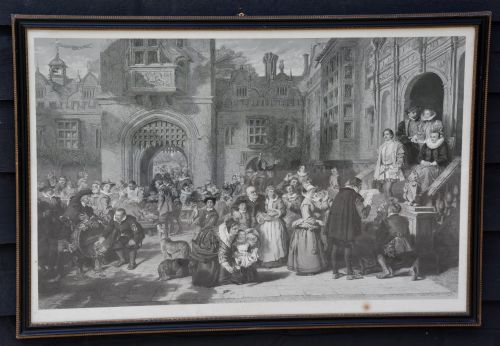
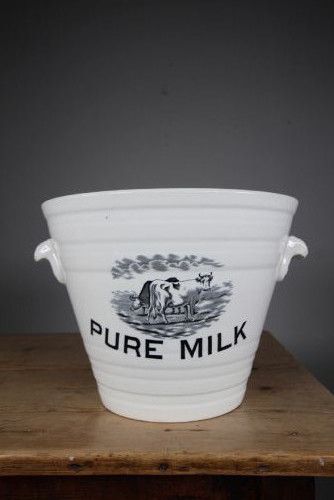
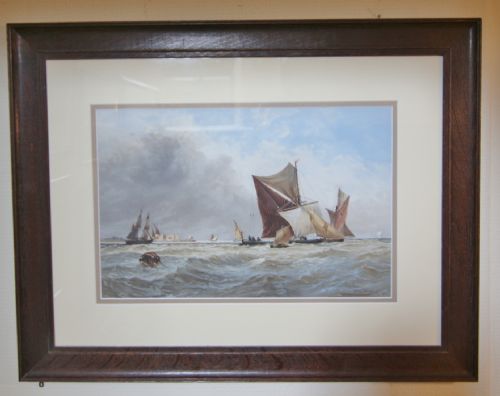
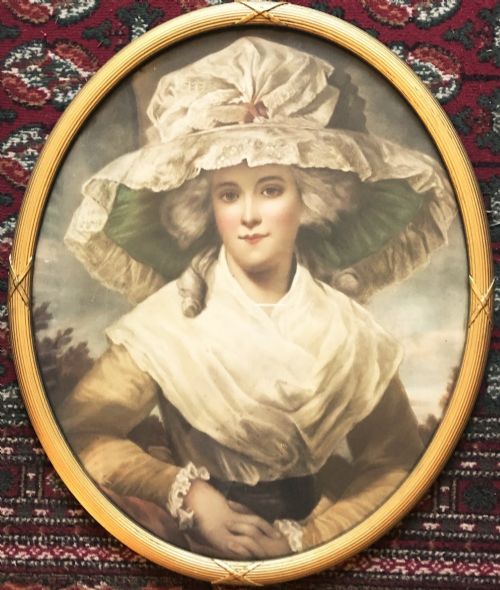
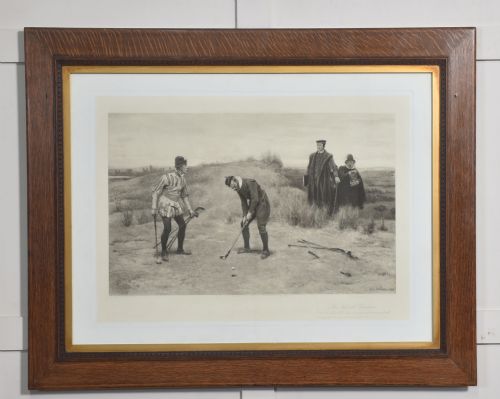
When you search for a large victorian print, you encounter framed paper works, architectural drawings, maps and large ceramic platters bearing transfer prints. The selections range from mid-nineteenth-century engravings and mezzotints to later chromolithographs and calendar prints.
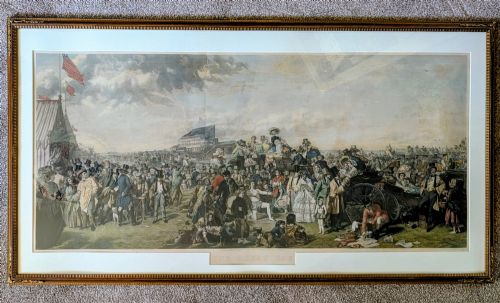
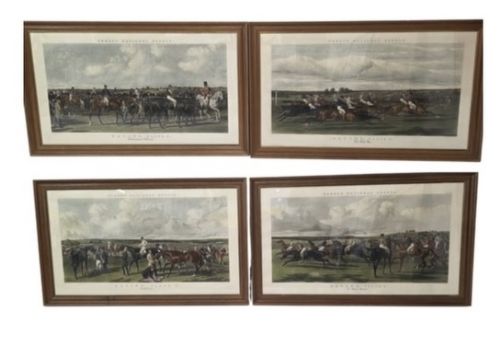
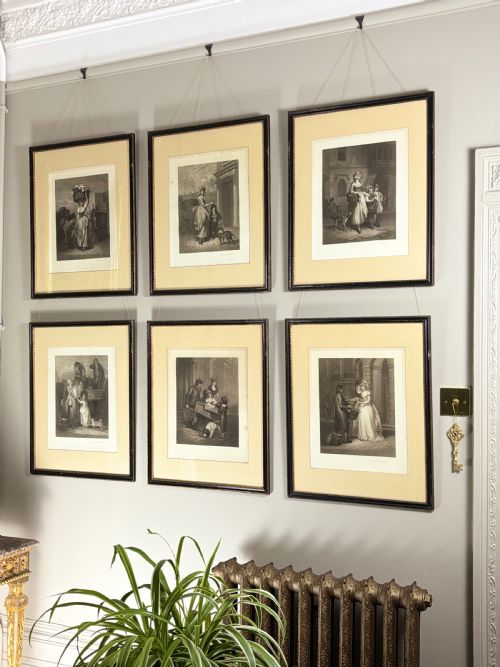
The objects span varied subject matter, including maritime scenes, sporting studies, historical subjects and portraits. Many arrive in original timber frames, including Hogarth mouldings and gilded gesso surrounds.
Materials and construction
The paper works utilise ink on paper, often protected beneath glass within oak or mahogany frames, while ceramic pieces employ blue and white transfer printing on earthenware or ironstone. Glaze seals the ceramic surfaces, and gold leaf sometimes finishes the decorative picture frames.
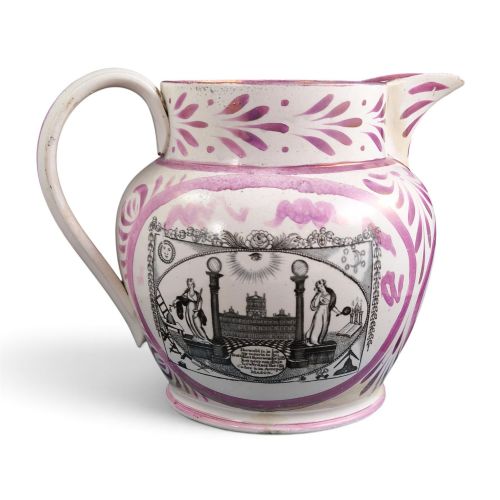
Engraving, etching and lithography techniques create the fine lines and tonal depth on the paper items. Potters transfer intricate monochrome or pink lustre designs onto serving platters and jugs before firing.
Soap advertisements managed to secure a place in nineteenth-century wall art through commemorative cricket prints.
Quality differences
Distinction lies in the crispness of the impression on paper and the clarity of the transfer lines on pottery. Earlier plates and well-maintained copper or steel engravings retain finer details than later, heavily worn impressions.
The integrity of the mounting materials also separates examples, with original period frames and untrimmed margins elevating the character of paper works. Ceramic pieces display variation in the depth of the glaze and the stability of the earthenware body.
William Powell Frith·J C Dollman·Thomas G Appleton·Copeland and Garrett·Jas Wyld·Joseph Hansom
The Large Victorian Print Glossary
- Mezzotint
- A printmaking process of the intaglio family where the surface is roughened to achieve rich tonal gradations and dark backgrounds. It allows for subtle shades of light and shadow.
- Transfer print
- A method where an engraved metal plate applies ink to tissue paper, which is then pressed onto pottery before glazing. This technique enabled detailed pictorial scenes on earthenware.
- Lithograph
- A planographic printing process based on the repulsion of oil and water from a stone or metal plate. It produces flat colour areas or fine tonal lines.
- Hogarth frame
- A distinctive narrow timber frame with a stepped, inverted ogee profile, typically finished in black or dark stain. These frames commonly house eighteenth and nineteenth-century works on paper.
- Chrystoleum
- A Victorian method of applying a hand-coloured paper print to glass, making the paper translucent before painting the reverse side in oil. The resulting image gains a luminous depth.
Large Victorian Print: Frequently Asked Questions
How are large victorian print pieces framed?
Many examples retain period wooden surrounds, including oak, mahogany, and gilded gesso frames. Some incorporate original glazing.
Paper items often sit behind glass to protect the ink and watercolour elements from atmospheric dust and moisture.
What subjects appear on these prints?
Subjects include maritime views, architectural plans, horse racing scenes, portraits, and historical compositions. Artists and publishers produced diverse imagery for domestic and institutional walls.
Ceramic equivalents often feature blue and white transfer landscapes, map motifs, or classical architectural views.
How do transfer print platters differ from paper prints?
Transfer platters use ceramic glaze over earthenware bodies to preserve printed scenes of domestic or topographical subjects. They functioned as serving dishes rather than wall art.
Paper prints utilise ink on paper substrates designed specifically for wall display within wooden surrounds.
Can I date a print without a signature?
Dating relies on paper types, printing techniques, framing styles, and subject matter. Engravings and lithographs often carry publication dates in the margin.
Ceramic transfer pieces utilise maker marks and glaze characteristics typical of nineteenth-century potteries.