

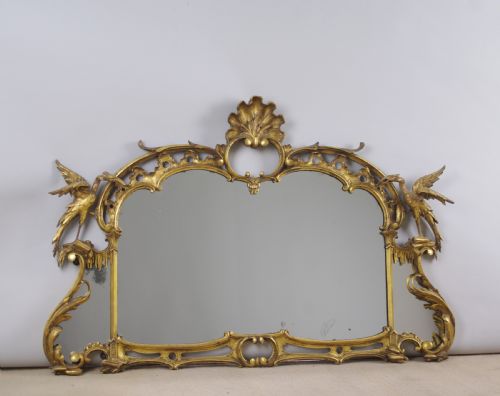


Large Victorian Mantelpiece
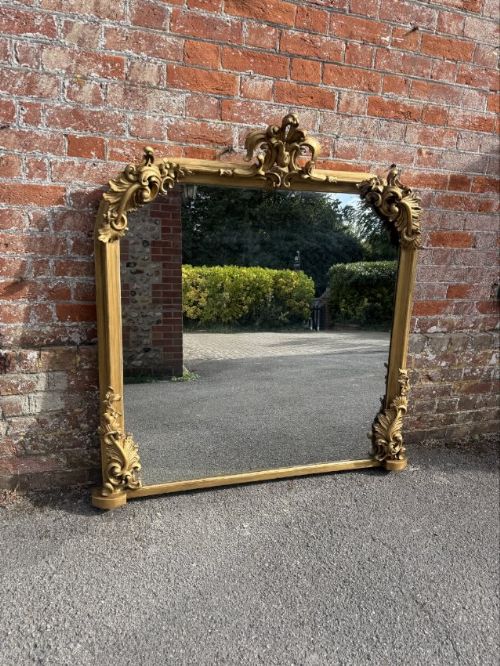
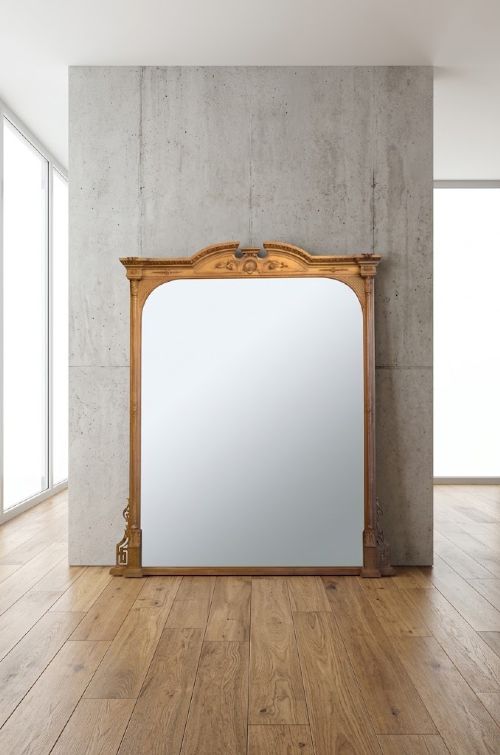
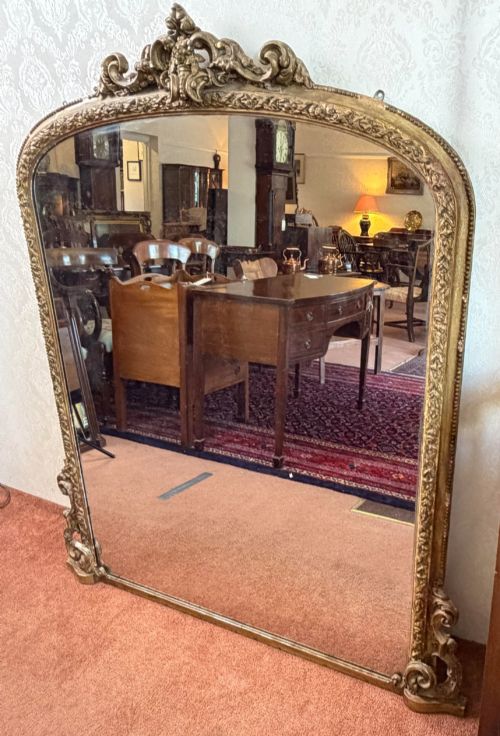
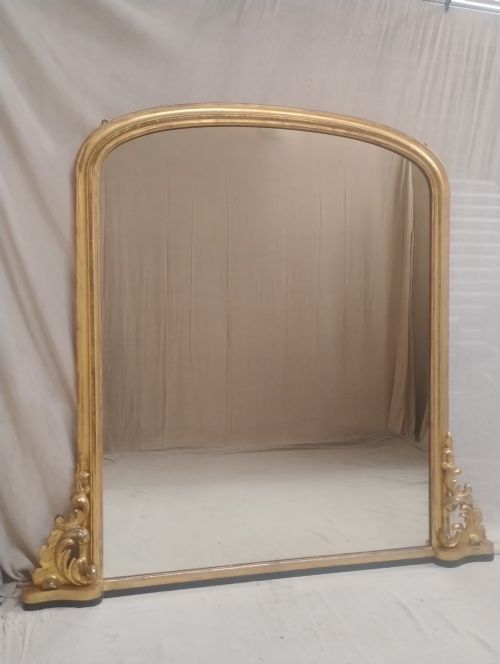
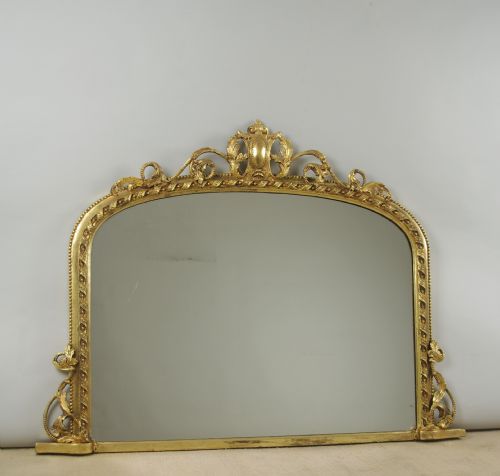
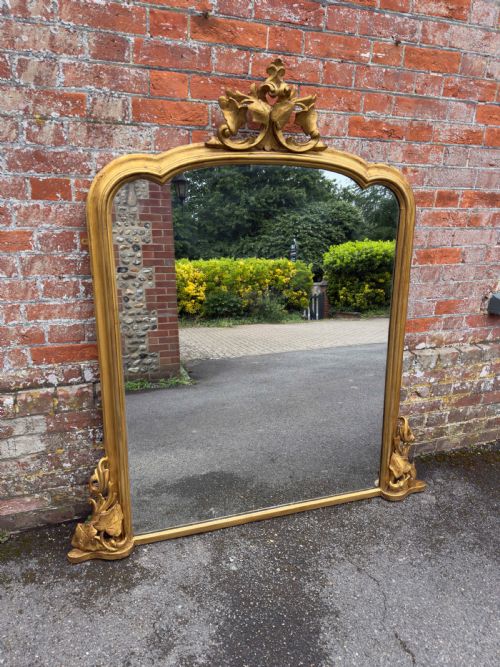
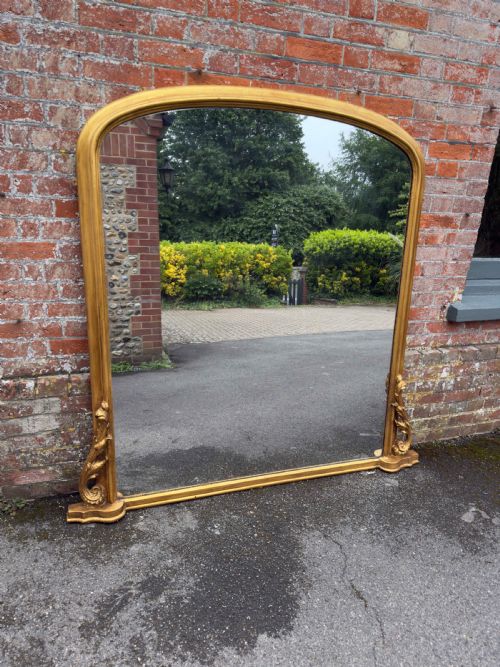
A large victorian mantelpiece sits centrally above the fireplace, offering grand mirrors and sculptures that anchor the entire room.
How they were made
Carved wood provides the structural foundation for many frames, paired with composition or gesso layers moulded into intricate decorative patterns. Gold leaf and paint are then applied to finish the surfaces.
Mirror glass, often set within arched or shaped wooden structures, constitutes the primary reflective element. Gilding techniques bring a bright metallic sheen to the wood and gesso grounds.
What varies in quality
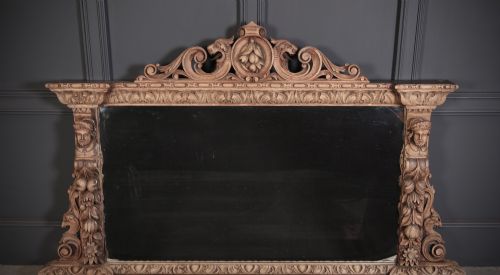
The depth and crispness of the wood carving distinguish finer examples from simpler frames. Elaborate pediments and well-preserved gilt surfaces indicate higher craftsmanship.
The integrity of the gesso mouldings and the clarity of the original mirror glass determine the overall merit of a piece. Finer items retain their original gilding without excessive modern intervention.
Look closely for the carved lion heads peering out from behind the gilding.
The Large Victorian Mantelpiece Glossary
- Overmantel mirror
- A large mirror specifically proportioned to hang on the wall directly above a mantelpiece. These frames often feature shaped or arched tops to follow architectural lines.
- Gesso
- A plaster-like mixture applied to wood frames to create a smooth surface for gilding. Artisans carve or press details into this layer before applying gold leaf.
- Giltwood
- Timber covered with a thin layer of gold leaf or gold paint. This material brings a bright reflective quality to nineteenth-century furnishings.
- Composition
- A moulded mixture of whiting, resin, and oil used to create ornamental details on frames. It offers a cost-effective alternative to deep hand-carving.
- Rococo Revival
- A nineteenth-century design style drawing on eighteenth-century French motifs. It incorporates asymmetrical scrolls, naturalistic foliage, and flowing curves.
Large Victorian Mantelpiece: Frequently Asked Questions
Where should a large overmantel mirror be hung?
These mirrors traditionally hang on the chimney breast directly above the mantelpiece ledge. Their height allows them to reflect light and visually expand the room.
Secure wall fixings are essential due to the substantial weight of the timber and glass frames.
How do I clean a giltwood frame?
Dust the carved surfaces gently with a soft, dry brush to prevent damage to the delicate gold leaf. Avoid liquid cleaners and chemical sprays entirely.
Moisture can strip the gesso and gilt layers from the underlying wood over time.
What styles are common in these pieces?
Victorian Rococo Revival, Neoclassical, and Chinese Chippendale styles appear frequently among the nineteenth-century listings. Each brings distinct decorative motifs such as scrolls, arches, or carved foliage.
Plain giltwood and solid oak frames also offer simpler aesthetic choices.
Can these mirrors stand on the mantel shelf?
Most large overmantel mirrors are designed to be secured to the wall for safety rather than resting solely on the shelf. Their significant height requires proper wall anchorage.
Wall mounting protects both the frame and the mantelpiece from accidental shifting.