






Large Vanity Mirror
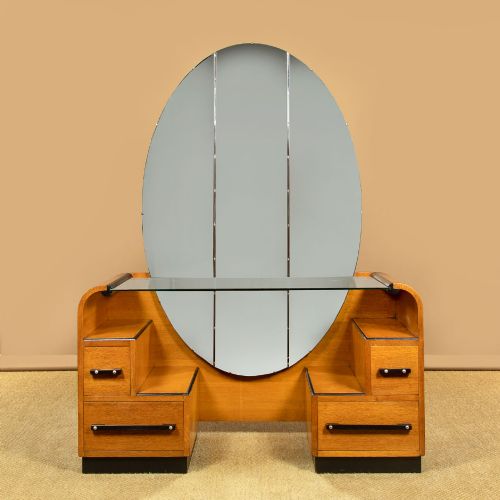
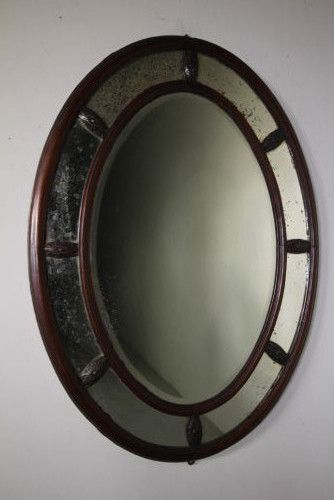
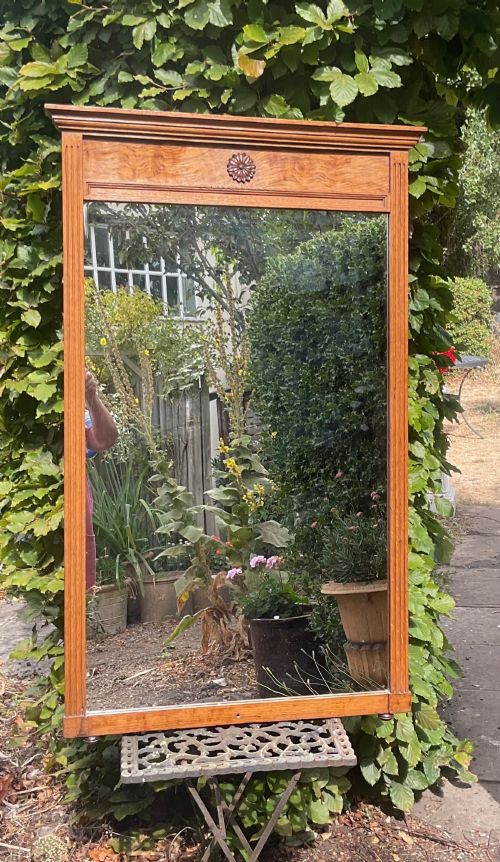
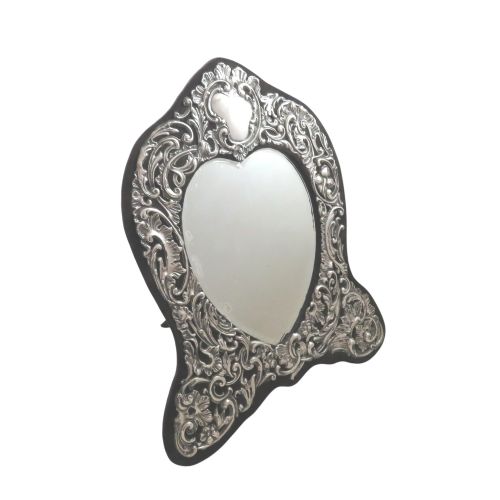
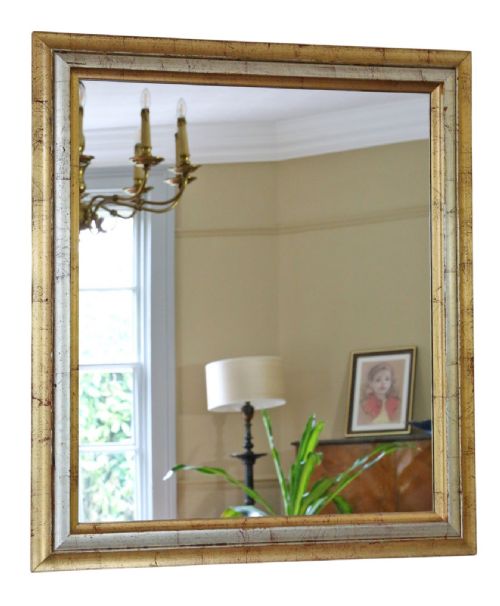
A large vanity mirror commands a dressing table or wall, offering deep reflection in mahogany, silver, or giltwood frames from the Georgian era onwards.
Large Vanity Mirror
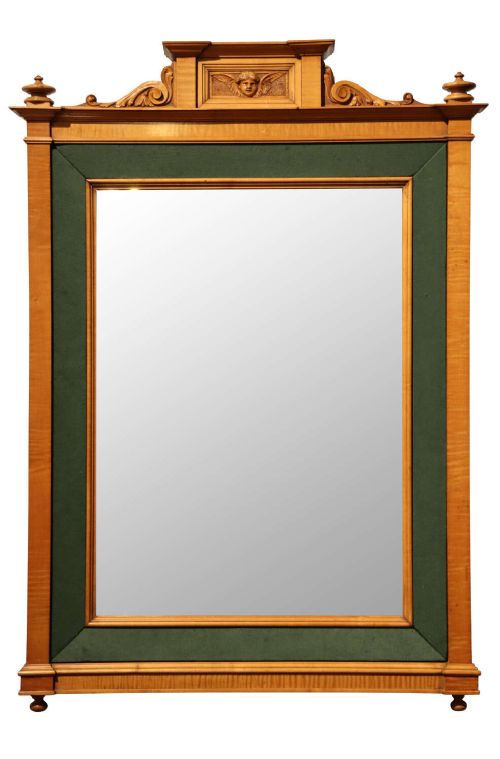
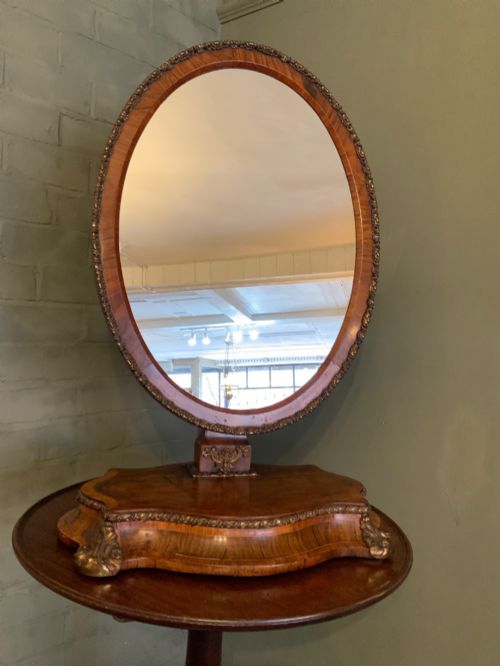
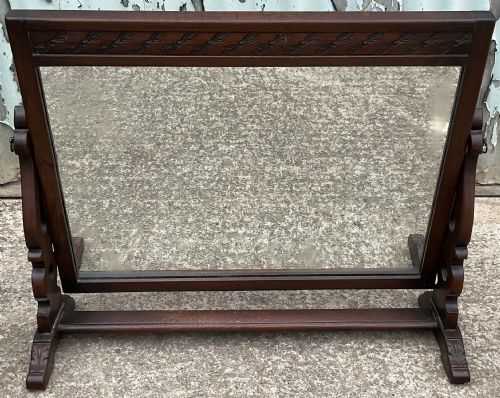
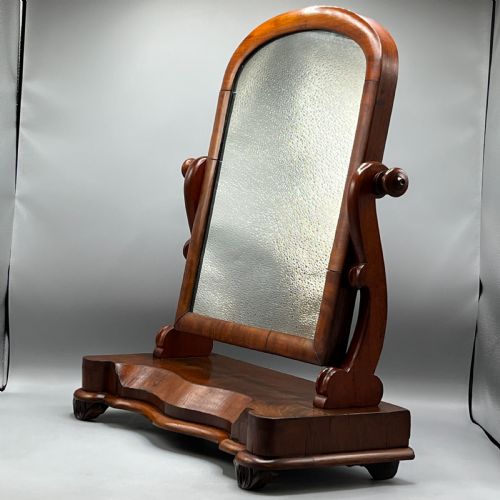
A large vanity mirror serves multiple domestic purposes across dressing tables, walls, and mantelpieces. Buyers encounter adjustable swing mirrors on substantial bases alongside hanging wall variations.
The selections span periods from the eighteenth century through the Victorian and Edwardian eras into Art Deco. Mahogany, oak, walnut, and giltwood provide the structural framework for these diverse reflective surfaces.
Table versions often incorporate serpentine box bases with small drawers for keepsakes. Wall and overmantel iterations scale up the proportions to dominate a room's focal point.
Construction and Materials
Cabinetmakers utilised dense timbers like mahogany, oak, and walnut, frequently shaping them into serpentine or oval profiles. Joinery involves precise dovetailing on smaller drawer boxes and robust framing for heavy swinging plates.
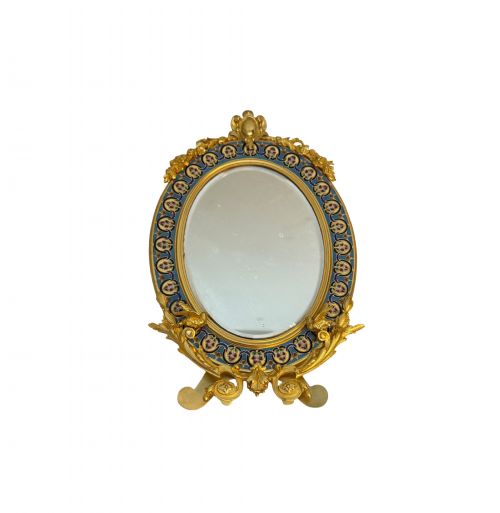
Surface ornamentation relies on hand-carved gesso, giltwood, ormolu mounts, and champleve enamel detailing. Sterling silver overlays and brass embellishments provide metallic contrast to the timber and glass.
Mirror plates are heavy bevelled or flat glass secured within rebated frames. Adjustable brass pivots allow the swinging mirror panels to tilt at precise angles.
Large Vanity Mirror Retail Price Guide 2026
Typical asking prices for large vanity mirror among the pieces listed under this phrase on Sellingantiques today, from the lower quarter to the upper quarter. They describe what is for sale here now, not the wider market.
Listings feature woods spanning mahogany, oak, walnut, padouk, and satinwood alongside sterling silver and giltwood frames.
Assessing Quality
The depth and crispness of hand-carved details distinguish superior pieces from standard production. Fretwork frames require intricate piercing that maintains structural integrity without splintering the wood grain.
Timber selection dictates the visual weight, with figured burr walnut and rich mahogany holding greater presence than plain deal or secondary woods. The quality of the silvering on the glass and the weight of the metal mounts signal workshop standards.
William Comyns
The Large Vanity Mirror Glossary
- Swing mirror
- A mirror plate suspended on pivots between two upright arms, allowing the glass to tilt. This mechanism is standard on dressing table and toilet mirror forms.
- Toilet mirror
- A smaller tabletop dressing mirror designed to sit upon a chest of drawers or a dedicated vanity table. They often feature small box bases with fitted compartments.
- Giltwood
- Timber carved and coated with fine layers of gold leaf over a prepared gesso ground. This finish appears frequently on ornate wall and overmantel frames.
- Fret mirror
- A wall mirror featuring flat timber framing cut with decorative pierced scrollwork patterns. Georgian examples often display symmetrical fretwork silhouettes.
- Ormolu
- Gilded bronze mounts applied to furniture and mirror frames for decorative effect. The technique involves mercury gilding cast bronze components.
Large Vanity Mirror: Frequently Asked Questions
Where should I place a large vanity mirror?
These mirrors anchor a bedroom dressing table or add depth above a mantelpiece when scaled for wall hanging. Their generous proportions reflect natural light across larger reception rooms or dressing spaces.
Ensure the mounting surface or tabletop can support the substantial weight of timber frames and heavy glass plates safely.
How do I distinguish a Georgian mirror from a Victorian copy?
Georgian pieces utilise native timbers with hand-cut joinery and older mirror plates showing slight oxidisation. Look for secondary woods behind the frame and the specific character of period hand-bevelled glass.
Victorian and later revivals often feature heavier mouldings, machine-cut screws, and denser structural framing characteristic of nineteenth-century industrial production.
What maintenance do antique mirror plates need?
Clean the glass gently using a soft cloth and mild cleaner, avoiding excessive moisture near the exposed edges of the silvering behind the plate. Preserve timber frames with occasional appropriate wax polishing.
Protect giltwood and silver mounts from direct dampness to maintain the original metallic finishes over time.