




Large Traditional Floor Carpet
A large traditional floor carpet anchors a substantial room with centuries of woven artistry and enduring wool.
Large Traditional Floor Carpet
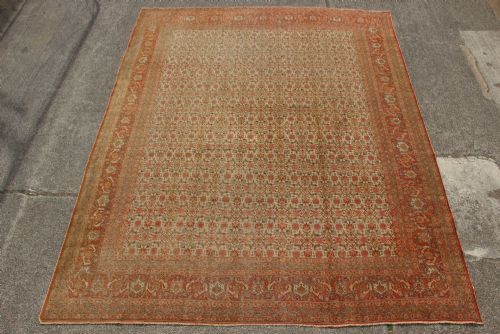
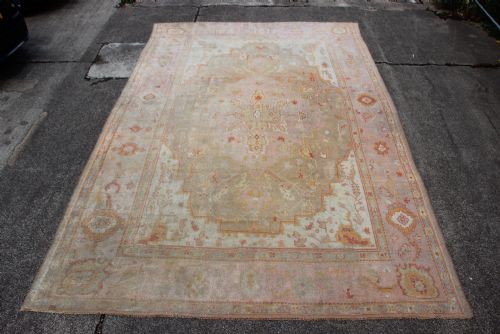
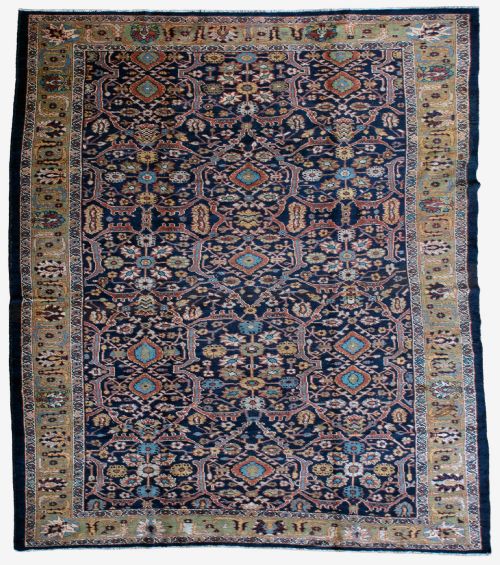
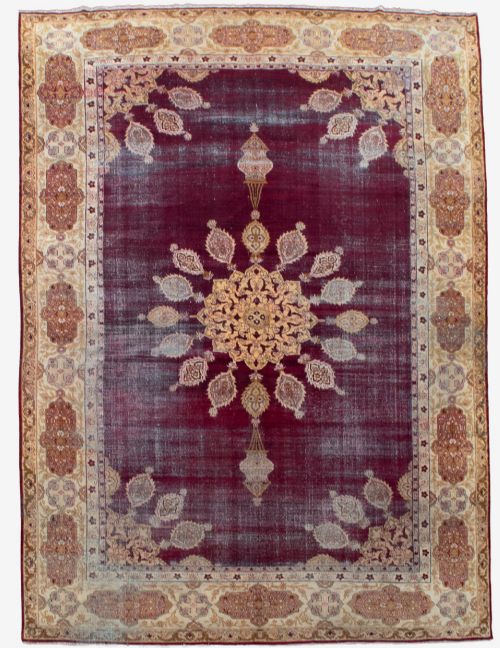
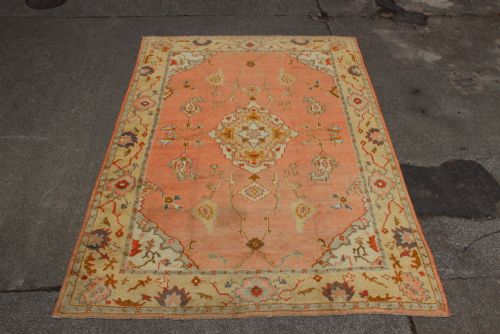
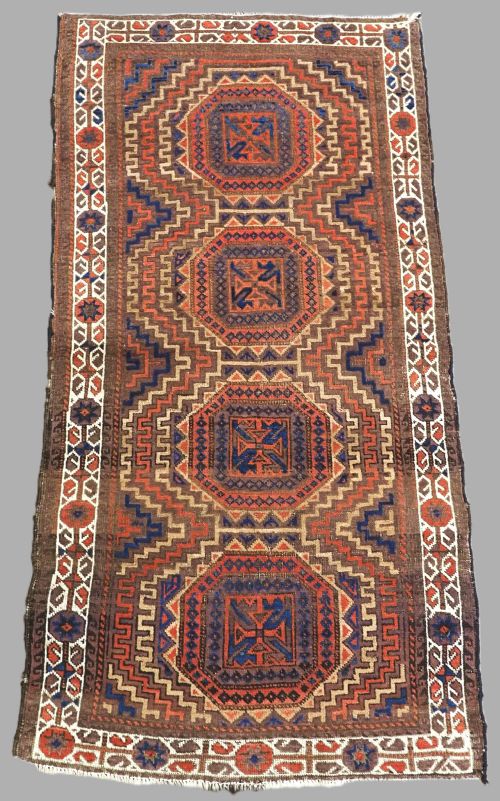
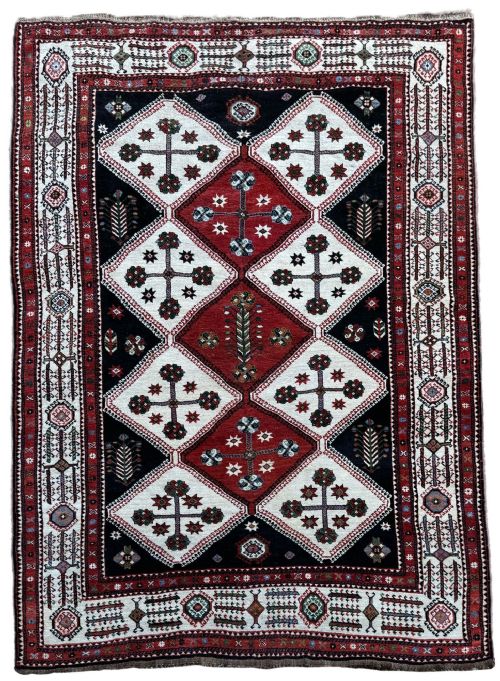
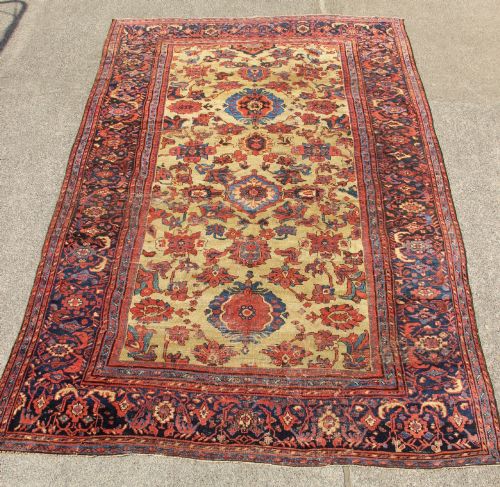
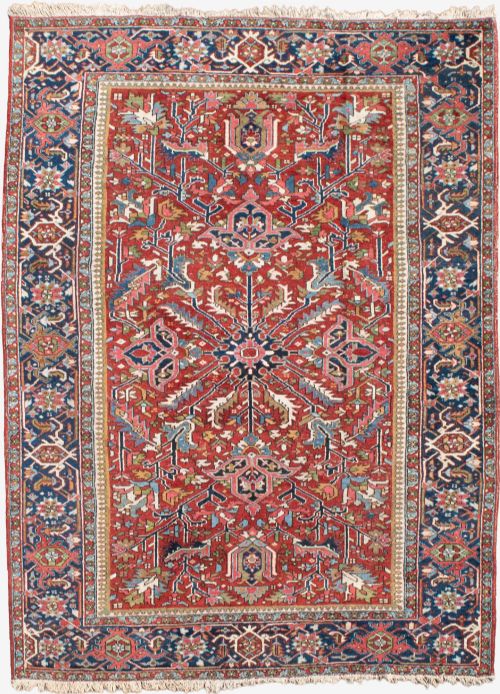
When searching for a large traditional floor carpet, a buyer encounters grand room-size floor coverings originating from Persia, Anatolia, India, and China. These textiles span periods from the mid-nineteenth century through the mid-twentieth century, offering substantial scale for prominent interiors. Heriz, Oushak, Tabriz, and Mahal carpets form the primary variations met within these listings.
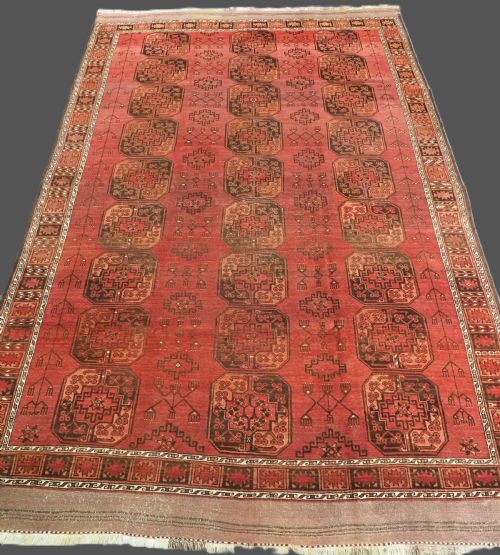
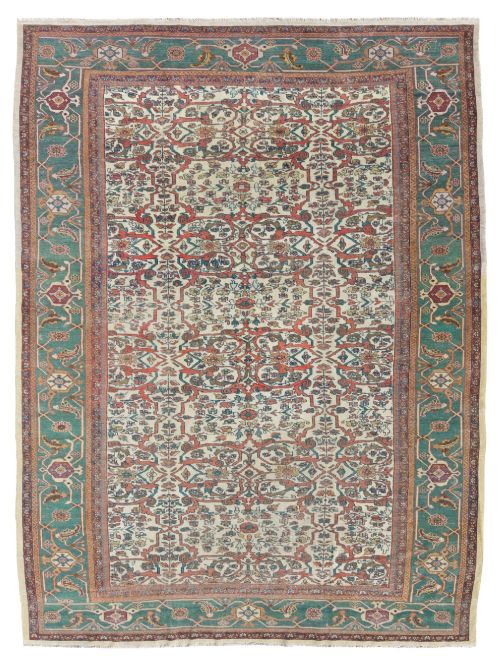
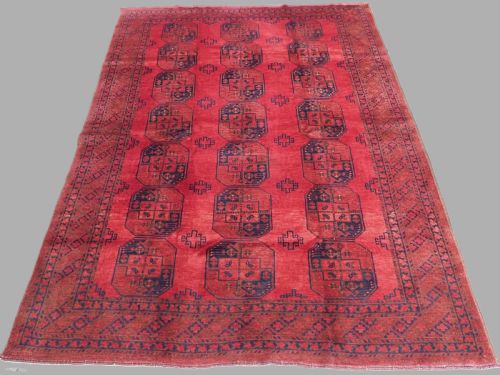
The regional styles vary from the geometric medallions of Heriz to the softer floral fields of Kirman and Sultanabad. Tribal pieces such as Ersari Turkmen, Baluch, and Qashqai rugs provide alternative aesthetics with characteristic motifs and rich earthy palettes. Each origin brings distinct weaving traditions and regional colour schemes to the floor.
How they were made
These carpets rely fundamentally on natural wool and cotton foundation materials, utilised by weavers to build durable pile and sturdy warp and weft structures. Hand knotting and hand weaving techniques dominate the construction, requiring months or years of meticulous labour by skilled artisans in workshops and villages.
Dyers employed natural colorants to achieve the deep reds, ivory grounds, and sky blue tones seen across the periods. The resulting textiles combine tensile cotton foundations with resilient wool surfaces designed to withstand generations of domestic use.
Some nineteenth-century weavers hid tiny asymmetrical tribal symbols within grand workshop carpets, leaving a secret signature of their nomadic heritage.
What varies in quality
The density of the knotting and the fineness of the wool dictate the structural integrity and definition of the pattern across different examples. Superior pieces display precise geometric or curvilinear draftsmanship, where every motif maintains sharp clarity against the surrounding field.
The depth and harmony of the palette distinguish finer carpets, particularly where natural dyes have mellowed gracefully over decades. Balance in the border proportions and symmetry in the central medallion further separate ordinary village production from master workshop output.
Haji Jalili
The Large Traditional Floor Carpet Glossary
- Gul
- A repeating octagonal or floral medallion motif frequently found in Turkmen and tribal carpets. It serves as the primary compositional element across the field.
- Medallion
- A large central ornamental design set into the middle of the carpet floor. This focal element often dictates the geometry of the surrounding corners and borders.
- Warp
- The vertical foundation threads stretched tightly on the loom before knotting begins. Cotton is commonly utilised for this structural grid.
- Weft
- The horizontal threads passed alternately over and under the warp threads after each row of knots. It binds the pile firmly into place.
- Pile
- The dense surface layer of upright wool ends forming the soft upper texture of the carpet. Its height determines the tactile comfort underfoot.
Large Traditional Floor Carpet: Frequently Asked Questions
Where were these carpets woven?
The pieces originate primarily from traditional weaving centres across Persia, including Heriz, Tabriz, Sultanabad, and Mahal. Other significant examples emerge from Anatolian Oushak, Indian Amritsar, and tribal regions of Central Asia.
Each geographical origin imparts distinct structural characteristics, wool qualities, and chromatic preferences to the finished textile.
How do I care for an antique carpet?
Vacuum the surface regularly using a suction-only attachment without a rotating brush bar to protect the delicate wool pile. Professional cleaning by specialists in antique textiles removes embedded grit safely.
Rotate the carpet periodically to ensure even exposure to foot traffic and sunlight, preventing localized wear and fading.
What defines a Heriz carpet?
Heriz carpets from north-west Persia feature bold, geometric medallions and robust structural wool designed for heavy domestic utility. They often incorporate sturdy cotton foundations that maintain the rigidity of the large format.
The distinct palette frequently includes terracotta reds, deep blues, and ivory accents arranged in striking angular compositions.