


Large Storage Dresser
A large storage dresser provides substantial capacity for domestic organisation, uniting practical shelving and deep drawer space with traditional carpentry.
Large Storage Dresser
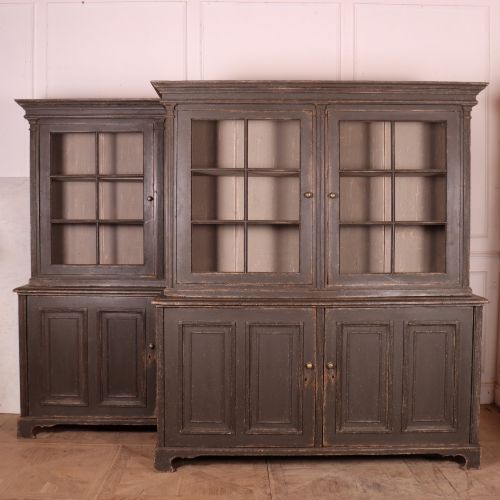
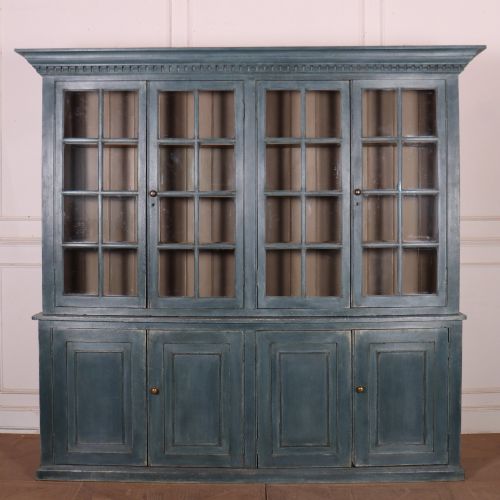
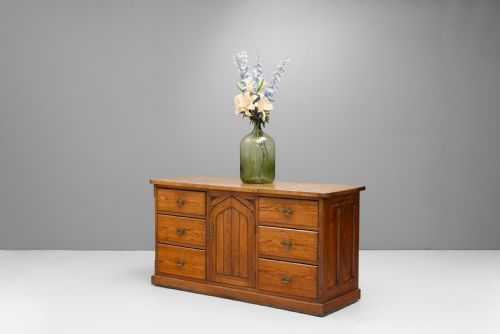
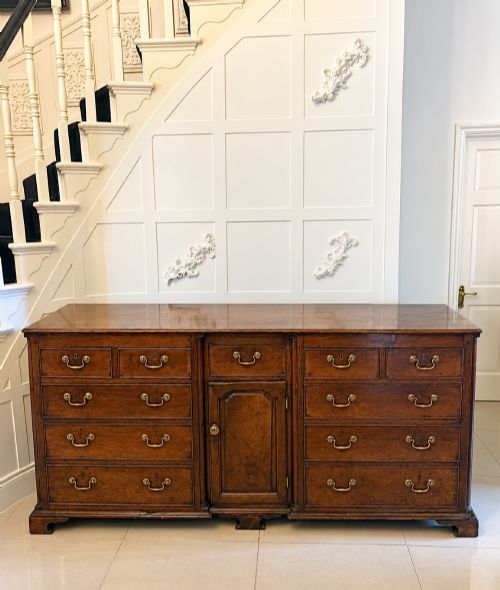
A large storage dresser encompasses robust pieces designed for utility, spanning multi-drawer chests, housekeepers cupboards, and substantial sideboard bases. These items emerge from domestic, school, and country house environments where heavy storage demands required durable construction.
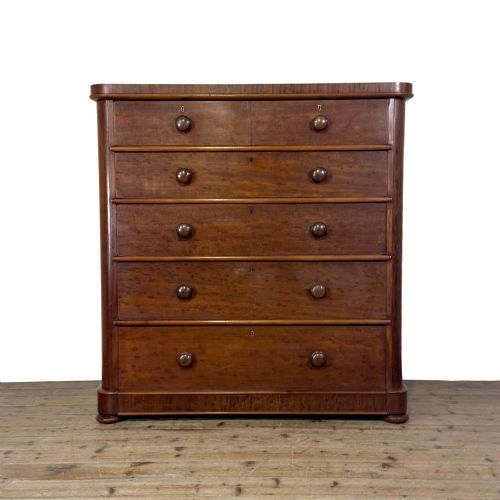
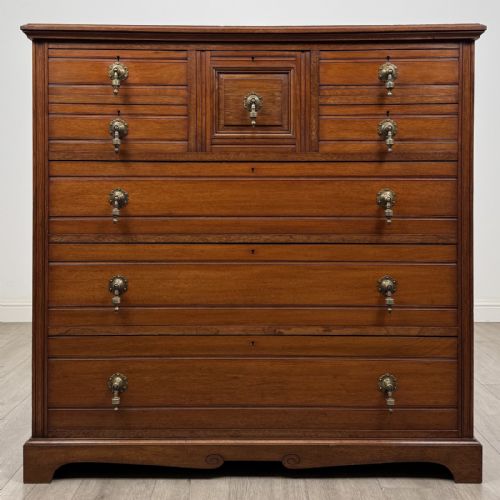
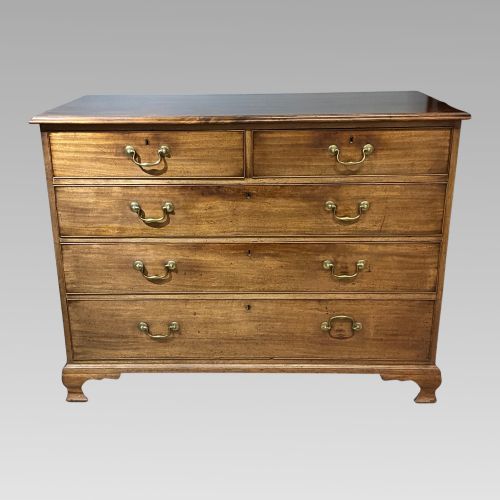
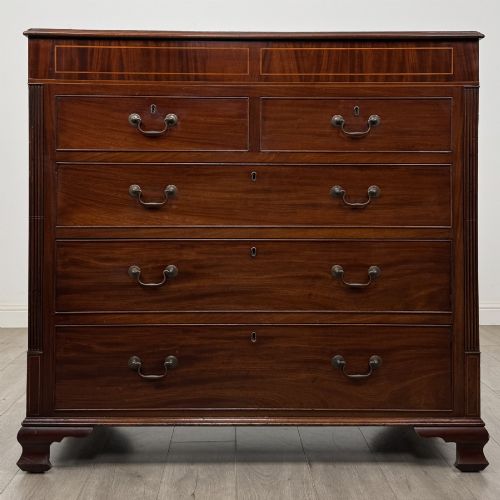
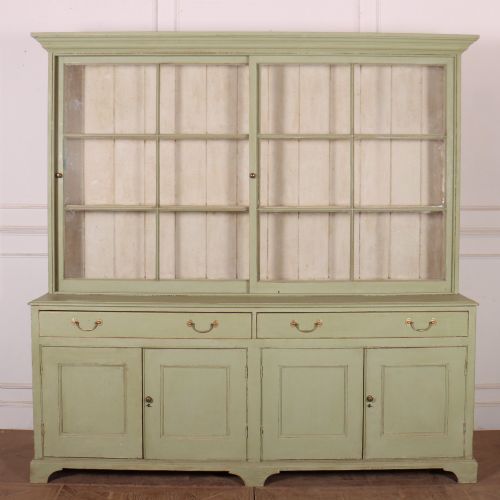
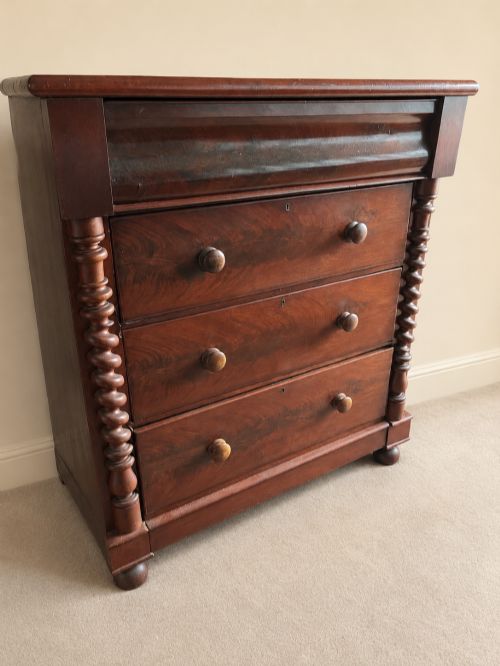
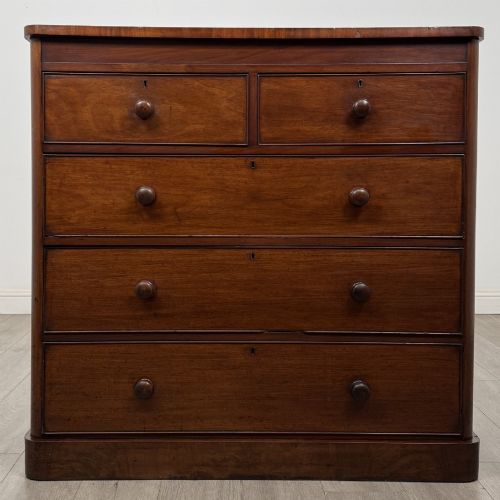
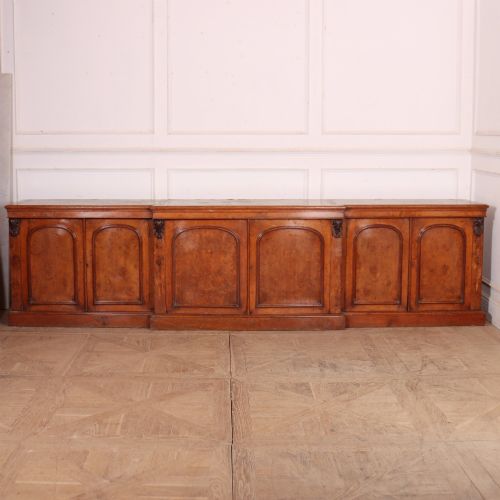
The version most commonly met on this page is the Victorian or 19th Century pine or mahogany chest of drawers and dresser base. These utility-focused pieces often display simple panel doors, banks of graduating drawers, and traditional brass hardware.
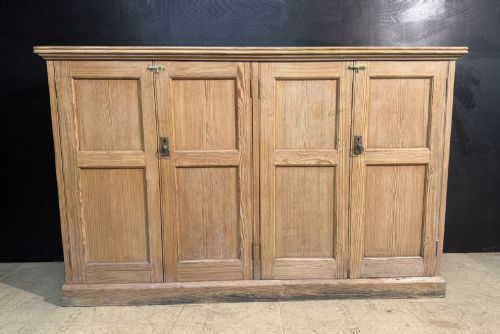
The selection extends from Georgian mahogany formats to painted pine farmhouse cupboards and Edwardian workshops. Regional variations include West Country housekeeping presses and Lancashire oak bases, reflecting the specific storage needs of different British households.
Materials and construction
Construction relies heavily on solid pine, oak, and mahogany timbers selected for structural strength and grain density. Craftsmen utilised traditional dovetail joints for drawer construction and pegged mortise and tenon joints for heavy framework.
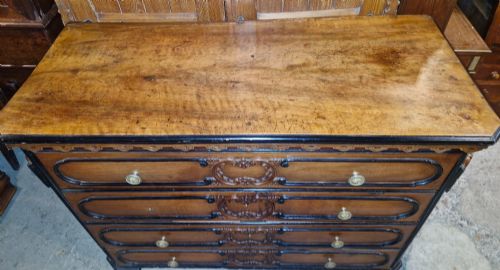
Surface finishes vary from wax and paint to polished flame mahogany veneers and burr walnut. Secondary timbers such as deal or ash appear in drawer linings and interior shelving, matched with brass or turned wooden pulls.
Large Storage Dresser Retail Price Guide 2026
Typical asking prices for large storage dresser among the pieces listed under this phrase on Sellingantiques today, from the lower quarter to the upper quarter. They describe what is for sale here now, not the wider market.
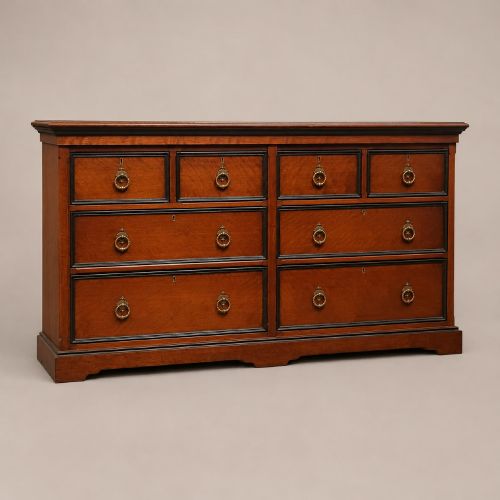
Formats range from school cupboards and housekeepers presses to breakfront dresser bases and Scottish chests.
Evaluating the standard
Quality rests upon the integrity of the timber selection and the precision of the joinery. Fine examples retain original backboards, smoothly operating drawers with tight dovetailing, and uncompromised structural proportions.
Whytock & Reid·Jas Shoolbred
The Large Storage Dresser Glossary
- Dresser base
- A low sideboard or cabinet with cupboards and drawers, historically used in kitchens or dining rooms for food preparation and storage. It provides a wide surface top above lower enclosed compartments.
- Housekeeper cupboard
- A tall, large storage cabinet traditionally utilised for linen, dry goods, or china storage within large estates. These utility cupboards usually feature multiple internal shelves enclosed by panelled doors.
- Dovetail
- A traditional wood joint formed by interlocking wedge-shaped fingers, prized for its tensile strength in drawer construction. Fine antique pieces display narrow, hand-cut pins.
- Flame mahogany
- A decorative veneer cut from timber where the branches join the main trunk, creating a distinct flickering, flame-like grain pattern. It appears frequently on high-status Victorian drawer fronts.
- Bun foot
- A spherical or slightly flattened wooden foot turned on a lathe, common on 19th-century chests of drawers and cabinets. They lift the case body slightly off the floor.
Large Storage Dresser: Frequently Asked Questions
What is a large storage dresser?
A large storage dresser is a substantial antique cabinet, chest of drawers, or sideboard designed to hold household goods, linens, or tableware. These pieces combine deep drawers with upper or lower cupboards to maximise interior capacity.
Originating mostly from the 18th and 19th centuries, they served practical roles in country houses, estate offices, and farmhouses. Their solid construction allows them to continue fulfilling heavy storage requirements in modern homes.
How do I date an antique chest?
Dating relies on examining construction methods, timber choices, and hardware styles. Hand-cut dovetails, secondary wood species like deal, and original brass drawer pulls offer key clues to a piece's era.
Earlier 18th-century pieces often feature oak or walnut with simpler plank backs, while Victorian items frequently utilise mahogany or pine with machine-assisted or finer hand joinery. Drawer construction methods evolve visibly across these decades.
Where were these pieces used?
These large storage items originated in diverse domestic and institutional settings including country house estate offices, school rooms, and farmhouse kitchens. Housekeepers cupboards were kept in service corridors for linens, while sideboard bases stood in dining spaces.
Their robust utility meant they moved from working quarters into main living areas over time. Today, their generous proportions suit hallways, boot rooms, and spacious living spaces.
How do I care for antique pine?
Antique pine benefits from application of natural beeswax rather than modern silicon-based polishes. Maintaining stable room humidity prevents the timber from splitting or warping.
Avoid placing these pieces near direct heat sources or in damp environments. Regular gentle dusting preserves the historic wax or painted finish.