
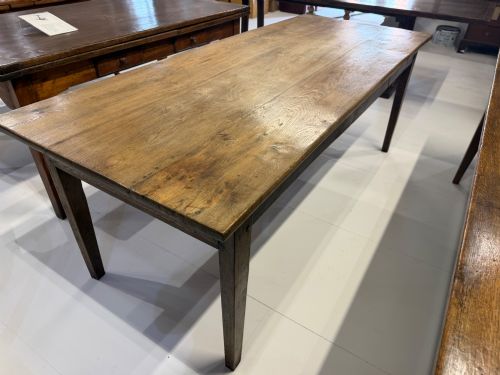
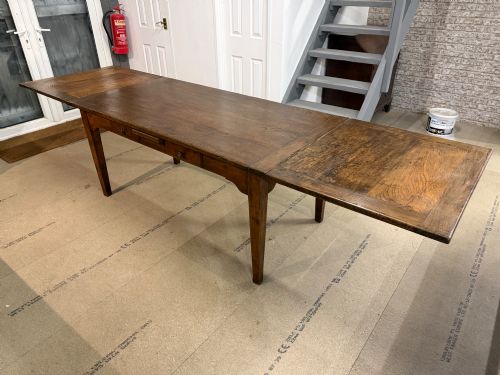
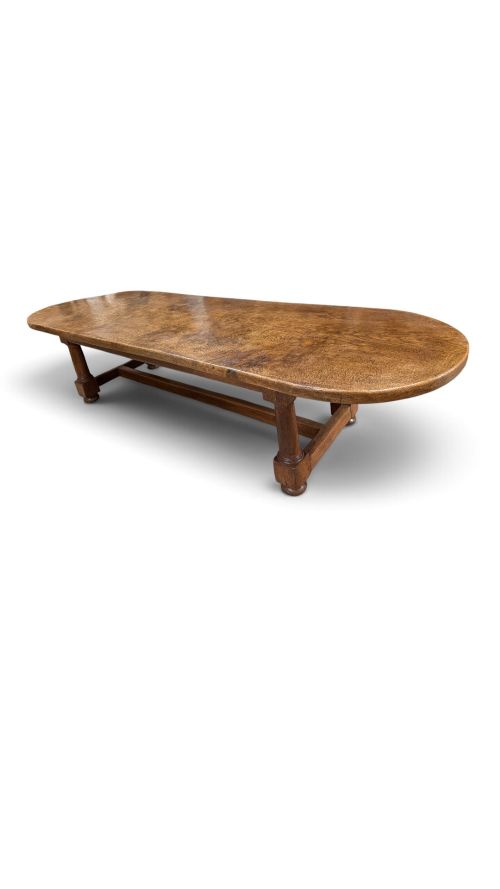
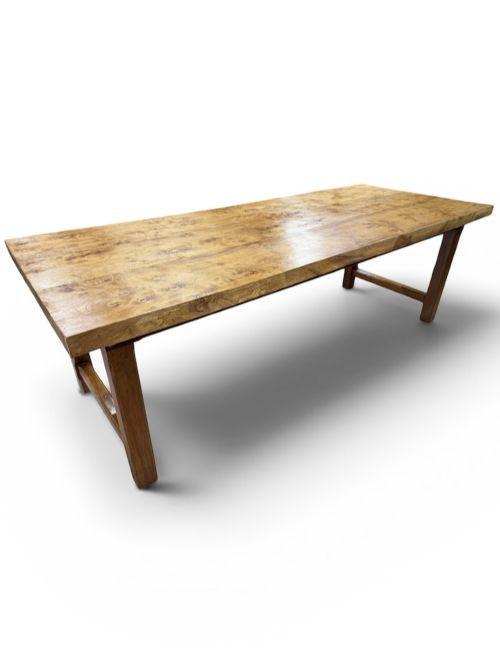
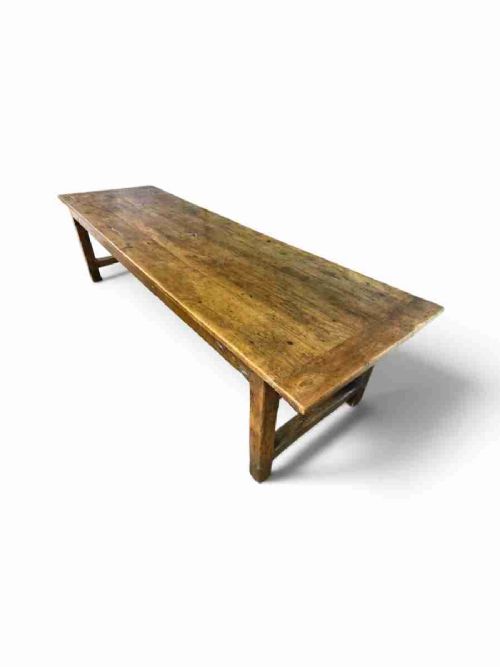
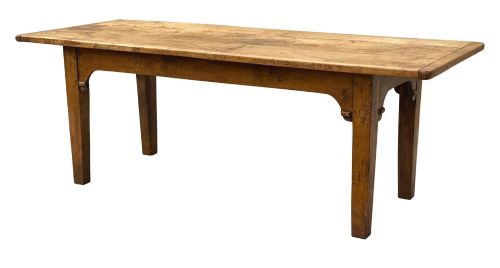
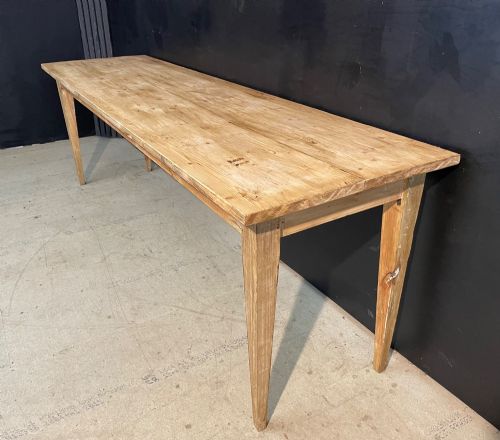
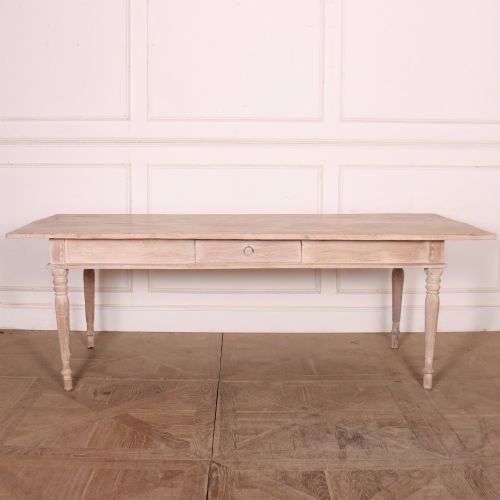
Large Rustic Refectory Table
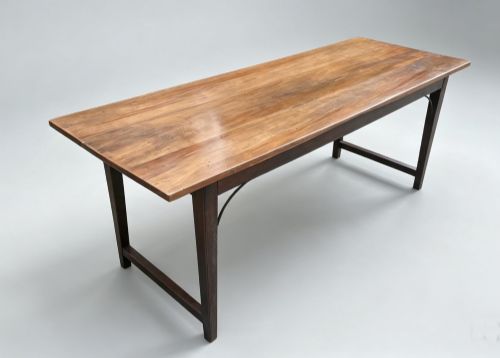
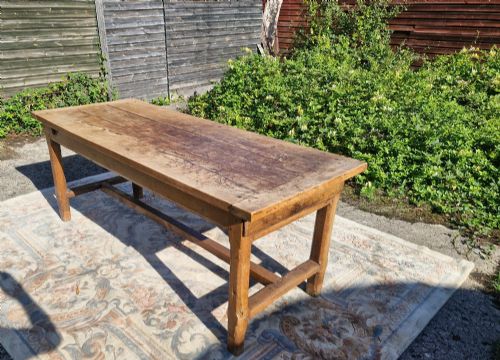
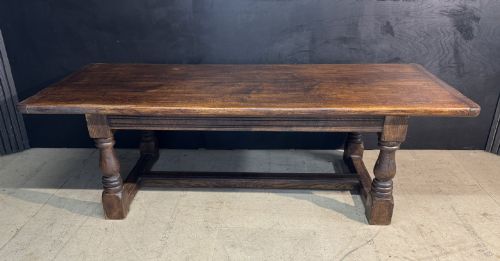
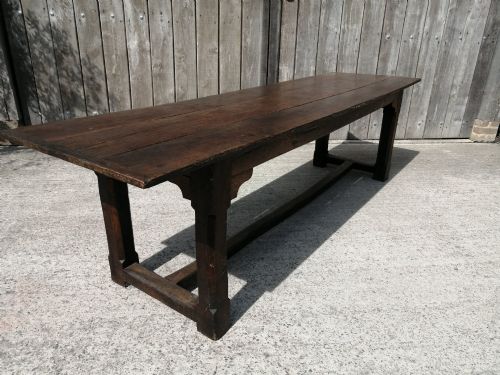
A large rustic refectory table anchors a room with timber grain and decades of use, offering scale for long meals.
Large Rustic Refectory Table
A large rustic refectory table provides substantial length for dining rooms and kitchens, drawing on a long lineage of communal dining boards. When searching this phrase, buyers encounter substantial timber surfaces designed for everyday gatherings rather than formal dining rooms.
The versions most common on this page span the seventeenth century through to the twentieth century, with nineteenth-century examples appearing frequently. These pieces often originate from English, French, and Spanish workshops, reflecting various provincial traditions.
How they were made
Makers utilised solid timbers such as oak, pine, elm, cherrywood, sycamore, beech, pear wood, and pitch pine to construct these boards. Many tops consist of single planks or two-board arrangements joined solidly to withstand heavy daily use.
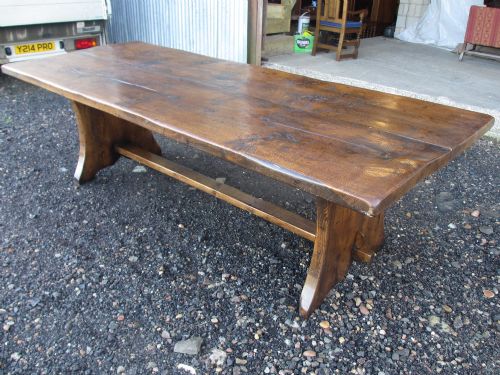
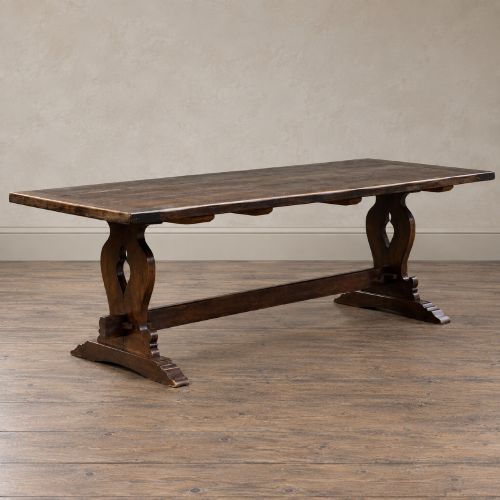
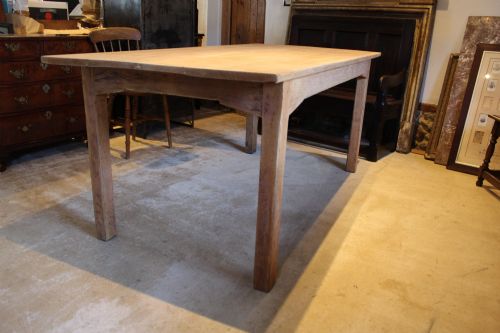
Structural support comes from heavy oak frames, shaped trestle ends, and occasional wrought iron bracing. Surfaces received treatments including natural wax, paint, or bleaching to alter the appearance of the wood over time.
Listings feature oak, pine, elm, cherrywood, sycamore, beech, pear wood, and pitch pine across seventeenth, eighteenth, nineteenth, and twentieth-century periods.
What varies in quality
Construction integrity separates standard examples from exceptional pieces, particularly the stability of the timber joints and the thickness of the top boards. Single-plank surfaces and dense hardwoods like seventeenth or eighteenth-century oak demand superior initial stock selection and joinery skill.
Proportion and patination dictate the visual success of the piece, where natural wear accumulated over centuries enhances the timber surface rather than detracting from its structural serviceability. The integration of period-appropriate trestle ends or shaped legs dictates whether the proportions feel balanced.
The Large Rustic Refectory Table Glossary
- Refectory table
- A long narrow dining table traditionally used in monasteries and large halls for communal meals. These examples now serve domestic kitchens and dining rooms.
- Trestle ends
- Support structures positioned at either end of a table rather than corner legs. They offer stability and legroom along the length of the board.
- Single plank top
- A table surface cut from one continuous width of timber. This feature indicates large mature trees and careful selection by the maker.
- Bleached oak
- Timber lightened chemically or through scrubbing to reveal a pale matte tone. This finish became popular in twentieth-century interpretations of provincial furniture.
- Patina
- The surface sheen and colour acquired by wood through age, handling, and waxing. It provides a visual record of the piece's history.
Large Rustic Refectory Table: Frequently Asked Questions
How many people do these tables seat?
Many examples measure eight feet or longer, frequently accommodating eight to ten diners comfortably along their length. The absence of corner legs in trestle designs helps maximise seating capacity.
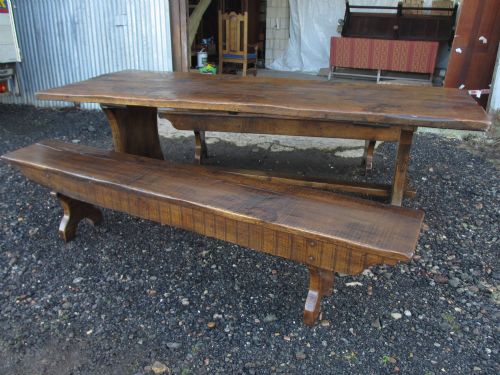
Matching bench forms appear with certain listings, providing alternative seating arrangements that complement the scale of the timber top.
How do I clean a waxed timber top?
Maintenance involves wiping surfaces with a soft, slightly damp cloth to remove everyday dust and debris. Avoid harsh chemical cleaners that strip the protective wax layer.
Applying a traditional beeswax periodically nourishes the wood and maintains the natural lustre of the grain without building up heavy residues.
Are these tables suitable for modern kitchens?
The robust construction of these boards suits busy family kitchens and open-plan dining spaces. Their durable hardwood surfaces absorb daily use while developing deeper character over time.
Measuring the available floor space carefully ensures the substantial length and width of these tables fit comfortably alongside existing cabinetry and seating.