




Large Room Rug
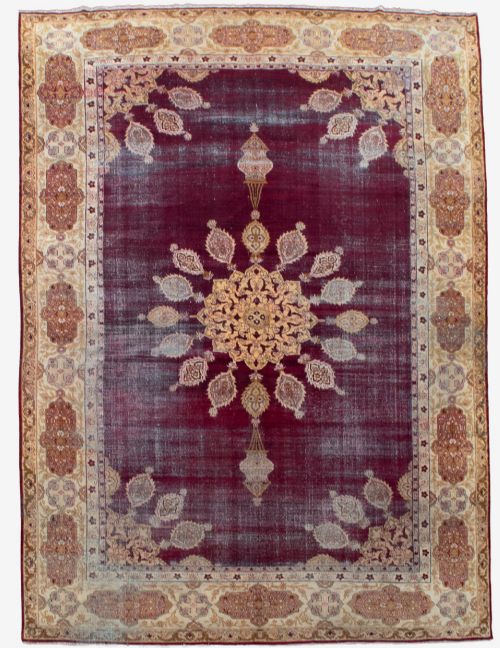
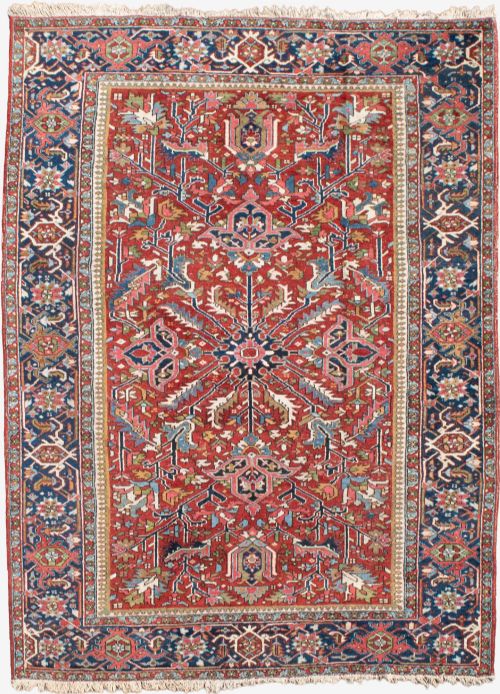
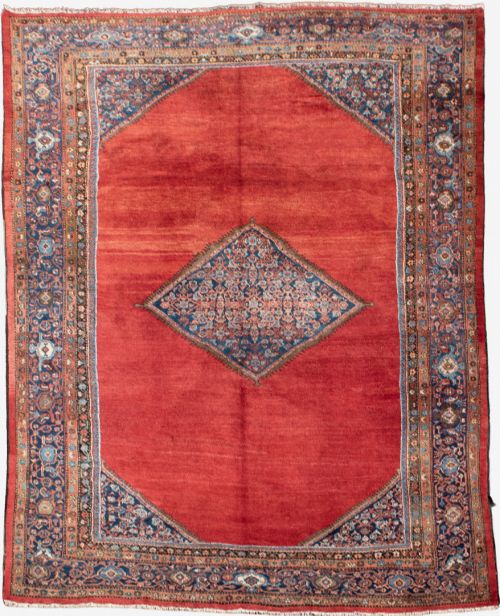
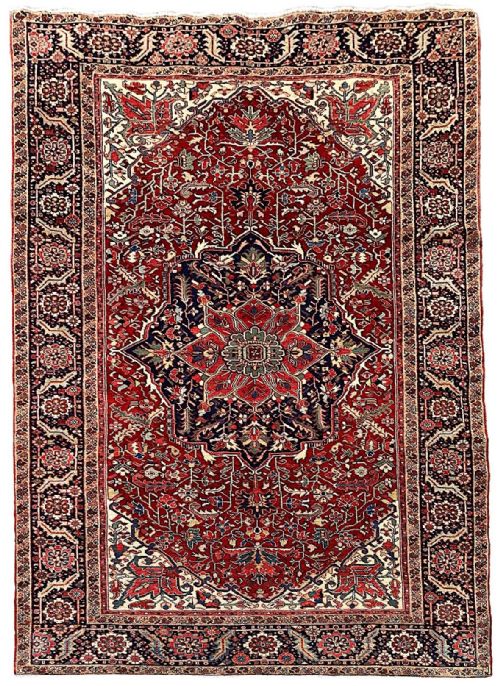
A large room rug anchors a floor with substantial proportions and woven depth, drawing the eye across intricate medallion designs and historic regional patterns.
Large Room Rug
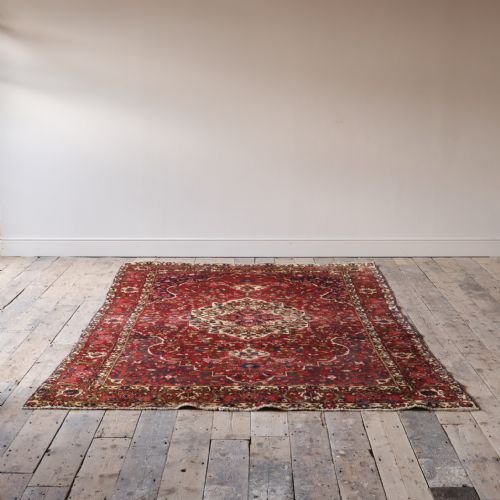
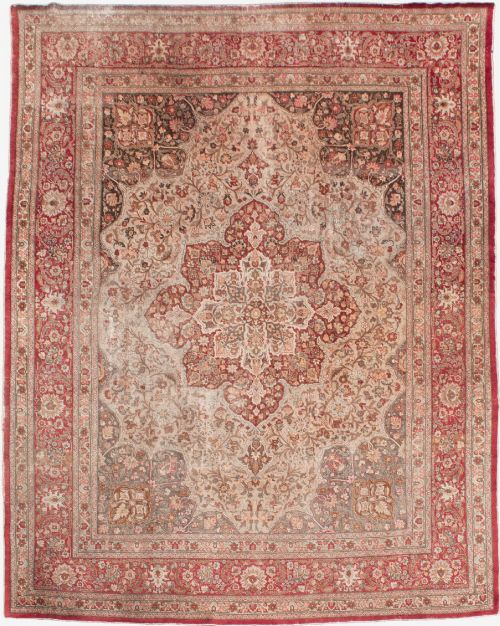
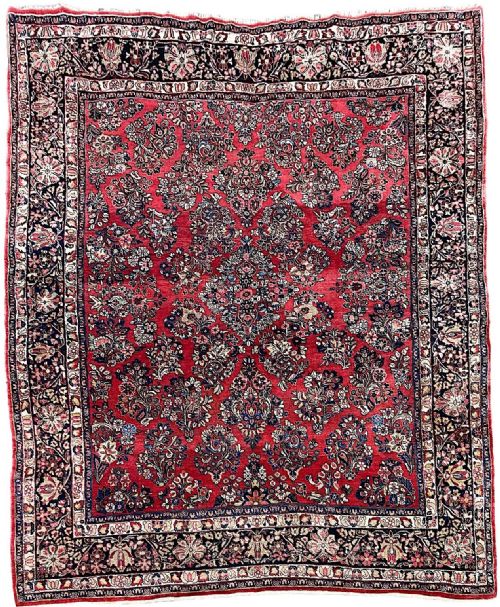
When you search for a large room rug, you encounter substantial floor coverings designed to anchor spacious interiors, most frequently represented here by antique Persian and Indian carpets. These textiles range from room-size formats to country house proportions, originating from workshops and villages active between the mid-nineteenth century and the early twentieth century.
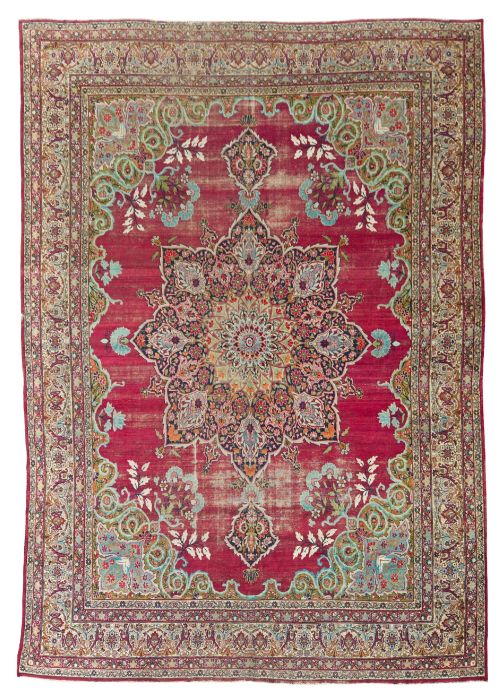
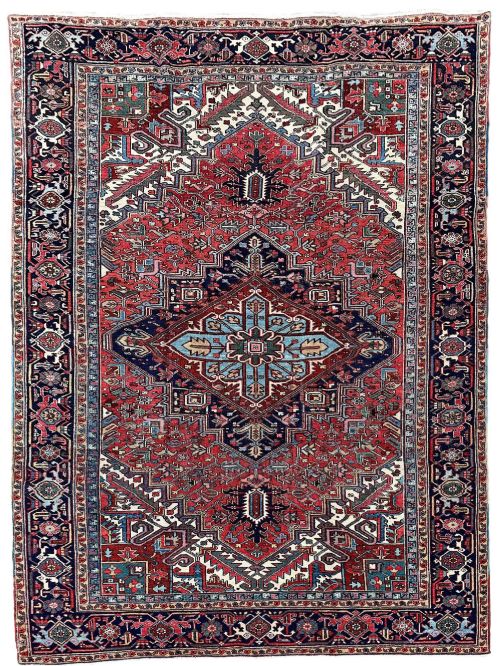
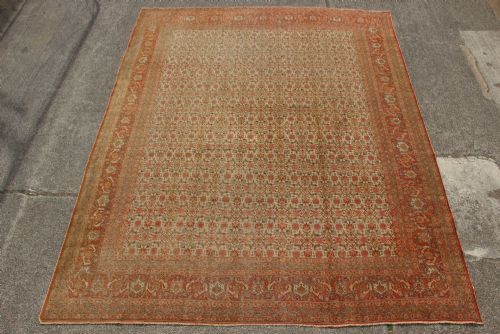
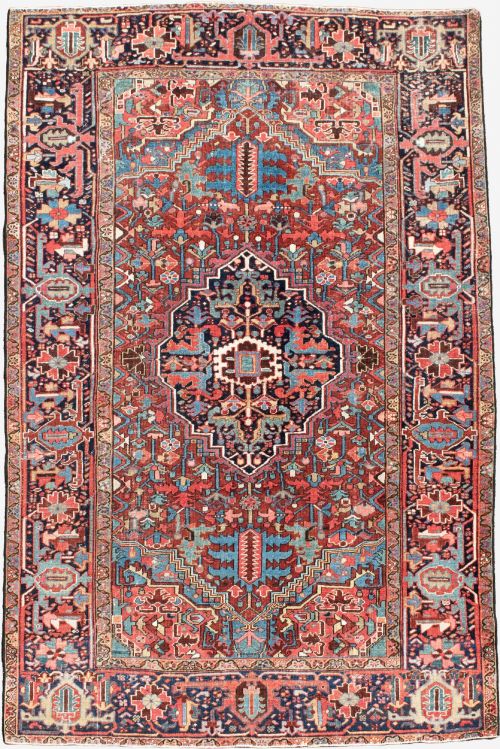
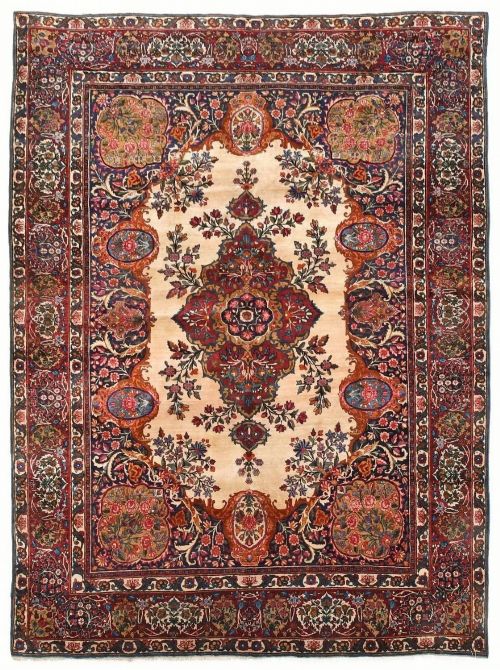
The dominant style on this page is the Heriz carpet, accompanied by notable examples from Tabriz, Oushak, Kirman, and Amritsar. These pieces were woven to command significant floor space, often exceeding three or four metres in length, making them suitable for expansive reception rooms and halls.
Makers and weavers utilised traditional geometric and floral motifs specific to their regions, producing works that function both as durable floor coverings and as decorative centrepieces. The palette spans from soft pastel tones to sky blue and scarce pink grounds, shaped by natural dyes and regional wool qualities.
Materials and construction
The construction of these large room rug examples relies principally on wool, cotton, and silk foundations and piles. Weavers knotted hand-spun wool onto cotton warps and wefts, creating dense structures capable of withstanding heavy foot traffic over generations.
Natural dyeing methods provided the rich palettes seen in these carpets, utilising plant and insect extracts that mellow gracefully over decades. The hand-woven technique results in subtle irregularities that distinguish each room-size textile from machine-produced alternatives.
Several country house carpets are so expansive they require entire rooms just to unroll.
Distinctions in quality
Quality in a large room rug rests on the fineness of the knot density and the precision of the woven design. Tightly packed knots allow intricate geometric and floral details to remain crisp, while looser structures yield a softer, more relaxed drape.
The integrity of the foundation materials and the evenly preserved pile across a large format dictate the endurance of the piece. Superior examples maintain structural balance from edge to centre, ensuring the carpet lies flat and retains its architectural symmetry within a room.
Benlian
The Large Room Rug Glossary
- Heriz
- A style of carpet originating from the Northwest of Persia, known for bold geometric medallions and robust structural wool. These rugs are built for durability and feature prominent central motifs.
- Oushak
- A Turkish weaving tradition celebrated for subdued pastel colourways and large-scale floral patterns. These carpets often utilise a looser knotting style that gives them a supple handle.
- Tabriz
- A historic centre of Persian weaving renowned for refined floral designs and meticulous execution. Carpets from this region frequently employ a wider palette and fine cotton foundations.
- Kirman
- A Persian style distinguished by delicate floral sprays, vase motifs, and soft colour schemes. Weavers from this area produced pieces that served formal drawing rooms.
- Kilim
- A flat-woven textile produced without a pile, created by tightly interweaving warp and weft strands. These pieces offer a lighter weight and distinct geometric surface patterns.
Large Room Rug: Frequently Asked Questions
How do I style a large room rug?
Position the rug beneath the primary furniture group in a reception space, ensuring the front legs of sofas and chairs rest comfortably upon the wool surface. This anchors the seating arrangement and defines the conversation area.
Allow a consistent border of exposed wooden flooring or tile around the perimeter of the carpet to frame its dimensions properly within the room.
Where were these carpets traditionally used?
These large room rug textiles were originally commissioned for grand drawing rooms, country houses, and urban reception halls where substantial floor coverings were required to absorb sound and insulate stone or timber floors.
Their robust wool construction and expansive formats made them well suited for high-traffic environments within stately homes and merchant residences.
How do I care for an antique wool rug?
Vacuum the carpet gently using standard suction without a rotating brush roll to prevent snagging the hand-knotted pile. Rotate the rug every year to ensure even exposure to foot traffic and sunlight.
Professional cleaning should be undertaken periodically by specialists familiar with antique plant-dyed textiles to preserve the integrity of the wool and cotton foundations.
How can I distinguish regional rug styles?
Examine the primary medallion and corner designs, as Heriz rugs typically display bold geometric polygons, whereas Tabriz and Kirman pieces favour curvilinear floral sprays. Colour palettes also offer clues, with Oushak featuring muted pastels and certain Persian tribal works showing rich earthy tones.
Knot density and foundation materials further indicate provenance, distinguishing village workshops from major urban manufactories.