


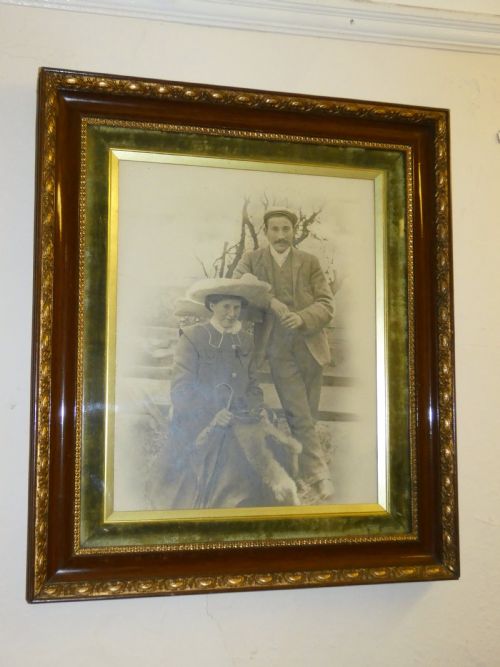


Large Portrait Photo Frame
A large portrait photo frame brings dignified presence to any surface, holding cherished likenesses in sterling silver, wood, or gilt gesso.
Large Portrait Photo Frame
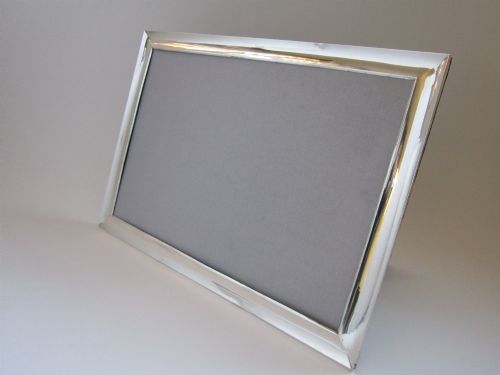
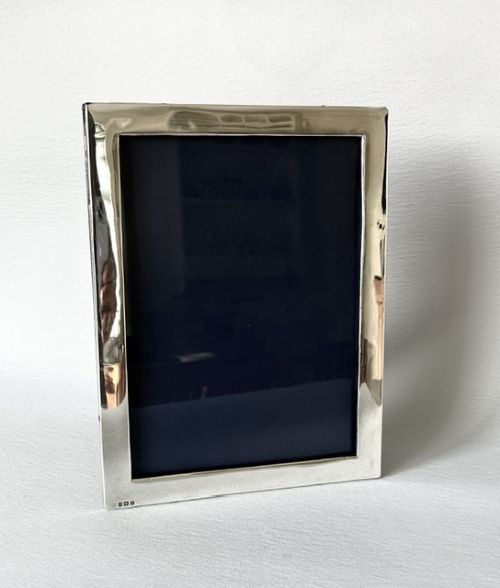
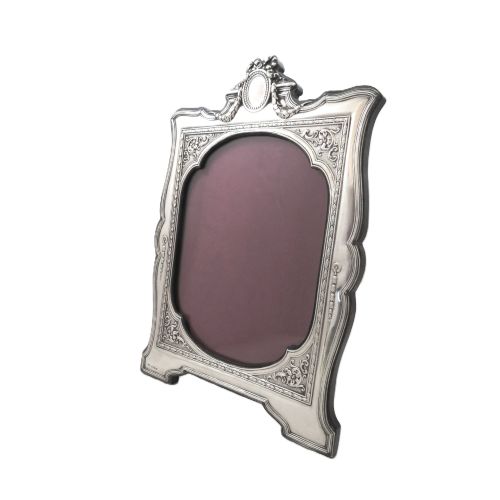
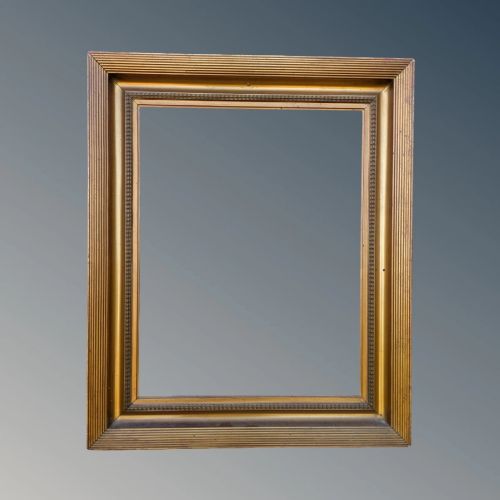
A large portrait photo frame is designed specifically to showcase vertical imagery, appearing frequently in sterling silver, wood, and gilt finishes. These pieces originate across the Victorian, Edwardian, and George V periods, carrying substantial proportions suited to prominent placement.
The materials span solid sterling silver, silver plate, oak, and gesso moulding, often backed with velvet or fabric. Many examples feature engine-turned details or ornate borders that reflect the aesthetic tastes of their respective decades.
Whether encountered in classic English silver or Mid-20th Century Italian styles, these objects serve both a decorative and practical function. They range from simple wooden surrounds to elaborate metal mounts designed to hold significant personal portraits.
Markers of distinction
Quality rests in the crispness of the metalwork and the depth of the engine-turning or moulding. Heavy gauge sterling silver and well-preserved gilt gesso indicate superior manufacture compared to thinner plated alternatives.
The integrity of the structural joints and the originality of the backing materials heavily influence the overall standing of a piece. Finer examples retain their original glass, fabric linings, and secure easel supports.
One sailor from the vessel Winifred gazes out from an oak frame dating back over a century.
Emile Langlois·Pinci
The Large Portrait Photo Frame Glossary
- Engine-turned
- A decorative technique involving precise geometric patterns mechanically engraved into metal surfaces. This method creates a textured finish that catches the light differently from plain metal.
- Gesso
- A plaster-like material applied to wooden frames and carved or moulded into decorative reliefs. It provides a smooth base for subsequent gilding or painting.
- Sterling silver
- An alloy consisting of pure silver and other metals, typically copper, standardly used for durable silverware. It offers a bright finish that develops a characteristic patina over time.
- Silver gilt
- Silver objects that have been coated with a thin layer of gold on the surface. This finish combines the white lustre of silver with the warm tone of gold.
- Velvet
- A densely woven fabric with a short, thick pile, frequently utilised for the backing of photo frames. It provides a soft texture and a finished appearance to the reverse of the object.
Large Portrait Photo Frame: Frequently Asked Questions
How do I date a silver photo frame?
Dating relies primarily on hallmarks stamped into the metal, which indicate the assay office, year of production, and maker. Stylistic cues such as Edwardian proportions or Art Nouveau motifs also help narrow the timeframe.
Examining the construction of the backing, glass type, and hinge mechanisms provides further context for the period of manufacture.
Can these frames hang on a wall?
Many frames feature built-in easel backs intended for tabletop display rather than wall hanging. Some examples include versatile mechanisms or rings allowing for alternative orientations.
It is important to check the reverse of a specific piece to confirm the presence of hanging hardware before attempting wall mounting.
What is engine-turning?
Engine-turning is a precision-machined decorative process that etches intricate geometric patterns into metal. This technique was widely utilised during the early twentieth century to add texture and reduce glare on silver surfaces.
Pieces featuring this work often display clean, uniform lines that catch light uniquely.
How should I clean a silver frame?
Cleaning requires a soft microfiber cloth and a gentle silver polish formulated to avoid abrasive damage to hallmarks or engraved details. Care must be taken around fabric backings and mounted glass.
Regular, light maintenance preserves the metal surface better than infrequent, aggressive scrubbing.
Were these frames made for portraits or landscapes?
While many are constructed specifically for vertical portraits, some versatile designs accommodate both orientations through rotating backs. The hardware on the reverse dictates how the internal mount functions.
Reviewing the specific dimensions and aperture shape clarifies the intended orientation of each piece.