




Desktop Photograph Frame
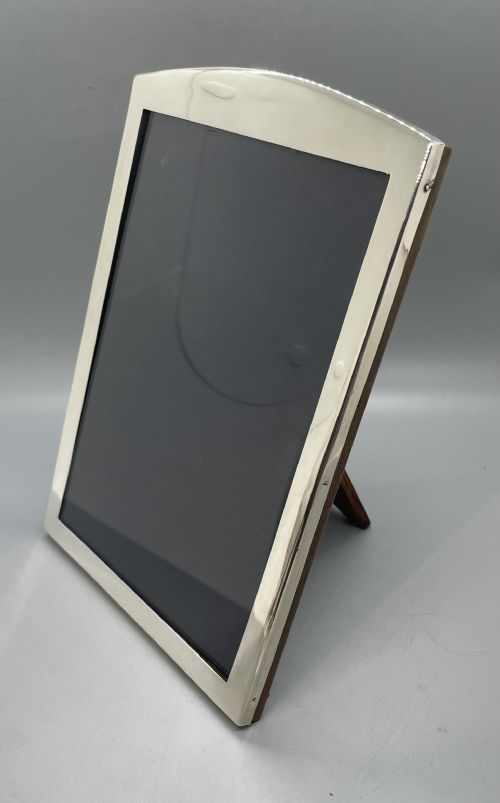
A desktop photograph frame holds a cherished likeness in precious metal, tortoiseshell, or carved timber upon a writing table or mantle.
Desktop Photograph Frame
A desktop photograph frame is a portable display piece designed to stand upright on a flat surface to showcase a portrait. These items appear in various forms, including single rectangular apertures, double hinged constructions, and multi-panel folding arrangements.
The pieces on this page span several decades and decorative movements, from Victorian and Edwardian examples to Art Deco and mid-century designs. Sterling silver, silver-plated brass, wood, and gilded bronze form the structural body of these functional ornaments.
Origin points reflect British workshops alongside Italian and French makers, incorporating materials like glass, enamel, and velvet backings. Buyers encounter both simple carved timber frames and elaborate precious metal mounts ornamented with cherubs or geometric motifs.
How they were made
Silversmiths constructed sterling silver and 800 silver mounts over wooden cores or structural backing plates, securing the metal with pins and bezels. Artisans applied chasing, repoussé, and engraving techniques directly to the metal surfaces to create decorative borders and patterns.
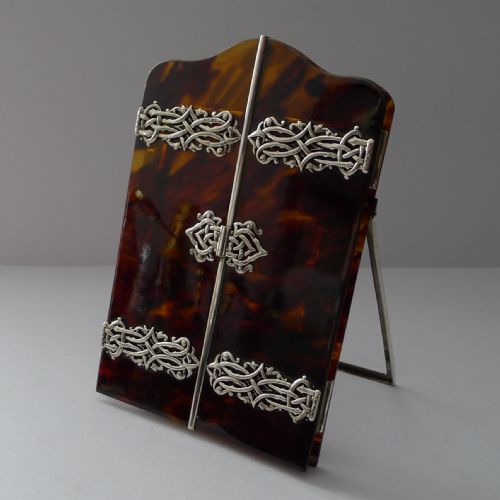
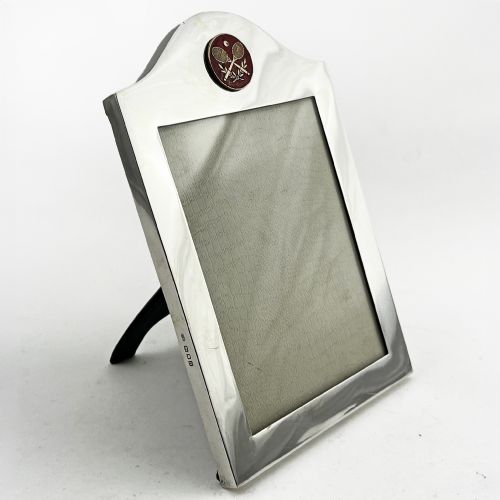
Tortoiseshell and enamel work required specialist handling, with translucent enamel fused onto guilloché metal grounds and tortoiseshell applied over contrasting metallic foils. Carved oak frames relied on traditional woodworking joints, while gilded bronze mounts utilised lost-wax casting and champlevé enamel cells.
Listings feature periods spanning from Victorian and Edwardian decades through to mid-century Italian and Art Deco styles.
What varies in quality
Quality rests in the weight of the metal, the crispness of the chased or cast ornament, and the integrity of the structural backing materials. Heavier gauge silver and substantial timber frames maintain their rigidity and upright stance far better over time than lighter alternatives.
The refinement of secondary materials sets superior examples apart, such as flawless enamel work, undamaged tortoiseshell veneers, and original bevelled glass panes. Signed retail marks and clear hallmarks also denote higher workshop standards from period makers.
Pinci Roma·Hardy Brothers
The Desktop Photograph Frame Glossary
- Sterling silver
- A standard alloy consisting of ninety-two point five percent silver by mass, frequently utilised in British picture frames.
- Champlevé enamel
- A technique where troughs or cells are hollowed out of a metal surface and filled with vitreous enamel before firing.
- Tortoiseshell
- A mottled brown and amber material derived from the shell of certain turtle species, prized for its use in decorative mounts.
- Guilloché
- A decorative mechanical engraving technique that produces precise, intricate repeating patterns beneath transparent enamel.
- Repoussé
- A metalworking method where an artisan hammers the reverse of a piece to form a raised design in relief on the front.
Desktop Photograph Frame: Frequently Asked Questions
What periods do these frames represent?
The selection includes pieces from the Victorian and Edwardian eras, alongside George V, Art Deco, and mid-twentieth century designs. These periods introduce distinct aesthetic traits ranging from ornate scrollwork to geometric minimalism.
Craftsmanship evolved across these decades, shifting from heavy cast silver and organic motifs to sleeker international styles and alternative metals.
How were these frames supported on desks?
Most examples utilise an integral hinged easel strut attached to a sturdy backing board, allowing the frame to rest securely at an angle. Velvet, silk, or leather typically cover these backing boards to protect the internal wooden structure.
Some multi-panel or folding configurations rely on pivoting hinges between sections to stand independently without a single rear strut.
What materials are commonly found?
Sterling silver and 800 silver dominate the metal options, accompanied by silver-plated brass, gilded bronze, and carved oak. Translucent enamel, glass, and tortoiseshell frequently provide surface decoration and textural contrast.
Backings and internal supports incorporate organic elements like wood and textiles such as velvet to secure the photographic aperture.
How do I identify an Edwardian frame?
Edwardian frames often feature lighter, more delicate ornamentation than their heavier Victorian predecessors, reflecting neoclassical tastes and ribbon motifs. Hallmark dates and registration numbers stamped into the silver mounts provide definitive chronological markers.
Construction methods and retailer stamps further assist in separating Edwardian output from later Art Deco or mid-century pieces.