






Large Porcelain Plate
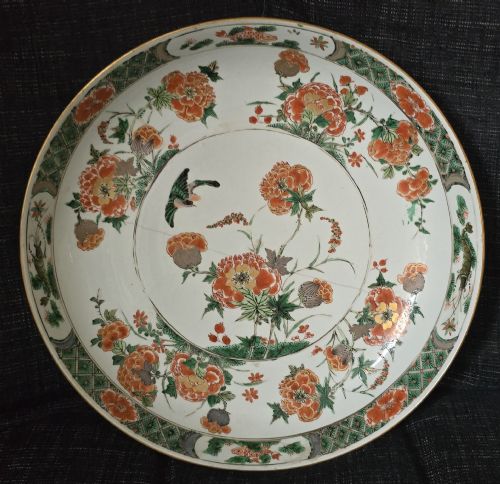
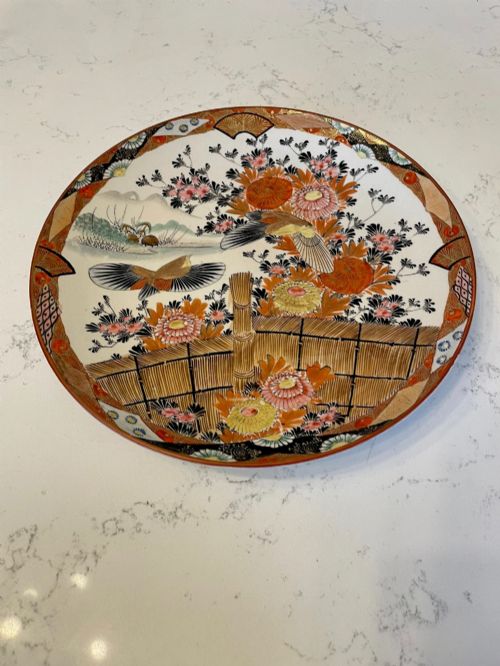
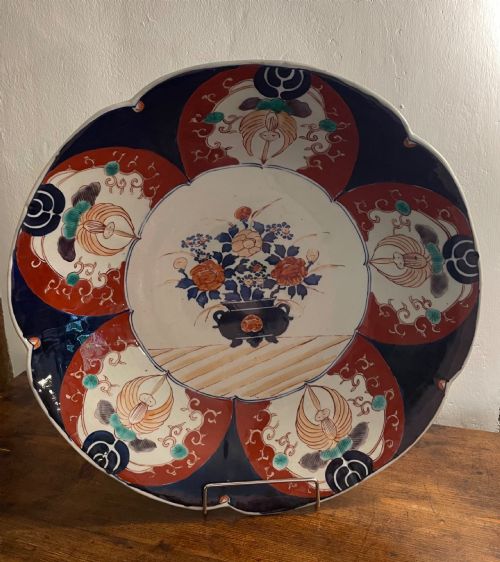
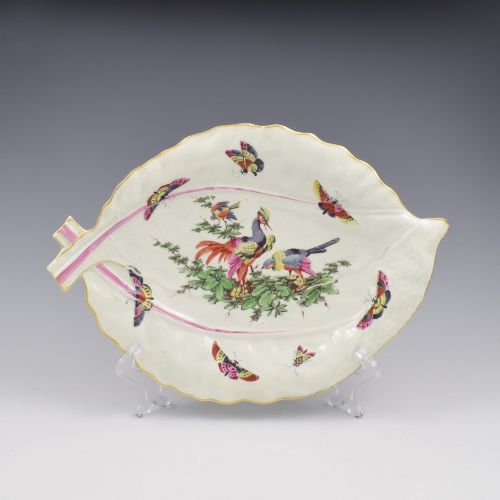
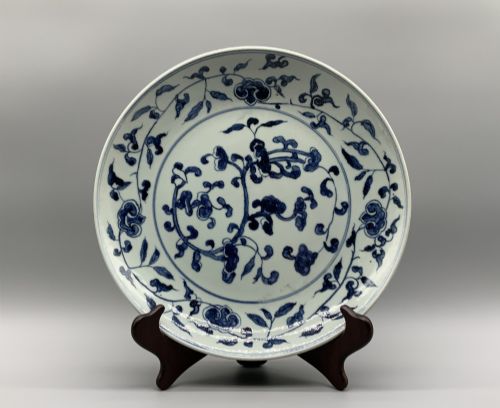
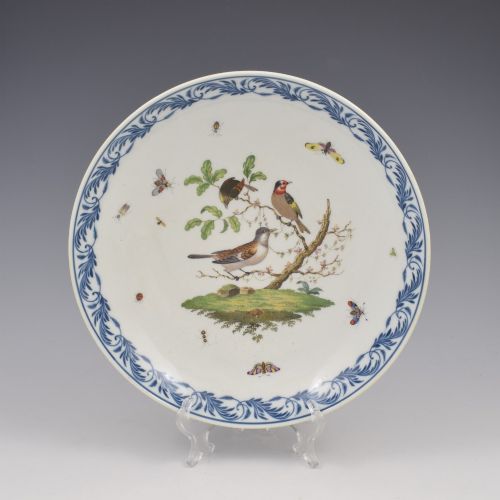
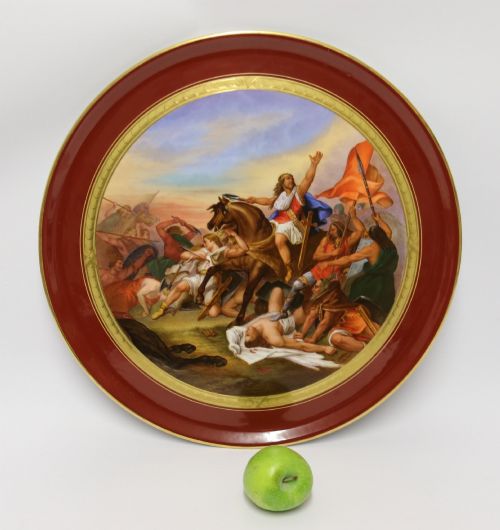
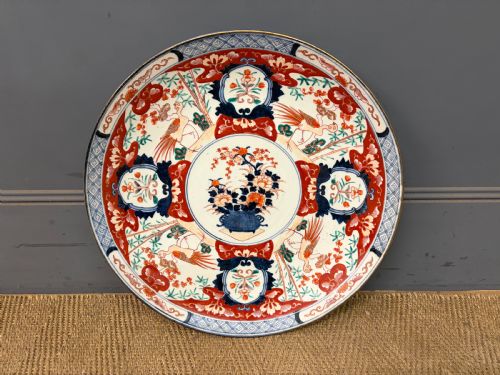
These large porcelain plate examples span Japanese Imari, Chinese export pieces and European works designed to command attention on a wall or sideboard.
Large Porcelain Plate
When you search for a large porcelain plate, you encounter substantial chargers, decorative bowls and broad dishes spanning several centuries. The selection ranges from nineteenth-century Japanese Imari chargers and Kutani ware to seventeenth-century Chinese blue and white porcelain and eighteenth-century European factories.
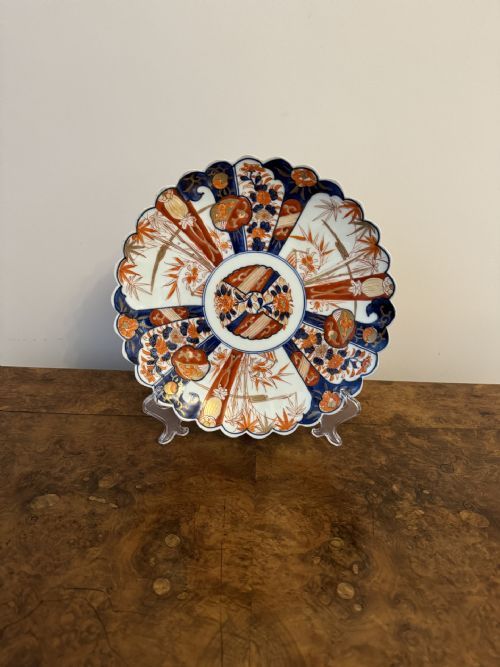
The most common items on this page are Japanese Imari chargers dating from the late nineteenth and early twentieth centuries. These pieces typically display characteristic cobalt blue and iron red pigments, often enriched with gilt details across complex geometric and floral motifs.
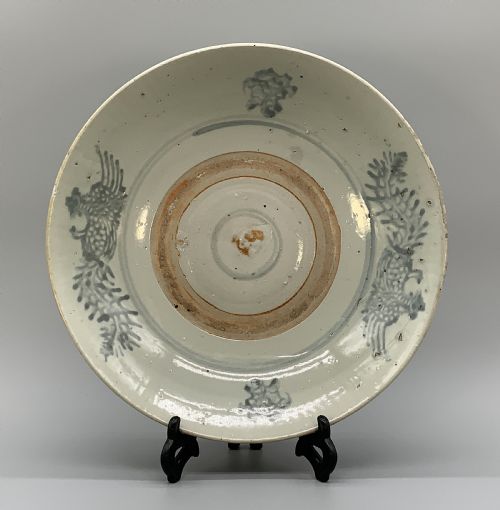
Earlier examples include Chinese export wares from the Ming and Qing dynasties alongside English factory productions from Worcester and continental European pieces from Meissen and Paris. Their generous diameters serve as expansive surfaces for elaborate figurative scenes, birds and botanical designs.
Materials and production methods
The pieces rely on fine ceramic bodies formed from white clay and fired at high temperatures to vitrify the material into durable porcelain. Potters then applied cobalt blue pigment beneath the glaze before the initial firing, achieving a crisp underglaze effect seen in many Chinese and Japanese blue and white chargers.
Overglaze enamels and gold leaf were frequently added during subsequent lower-temperature firings to incorporate vibrant hues of red, green and gilt detailing. Techniques such as moriage applied raised slip decoration to create textured surfaces on Satsuma and Kutani wares.
European factories utilised similar hard-paste porcelain foundations, combining hand-painted polychrome pigments with intricate gilding. Glazes varied from clear, glossy coats to specialised crackle finishes and cobalt washes.
Large Porcelain Plate Retail Price Guide 2026
Typical asking prices for large porcelain plate among the pieces listed under this phrase on Sellingantiques today, from the lower quarter to the upper quarter. They describe what is for sale here now, not the wider market.
Listings feature periods spanning from the 17th century to the mid 20th century, encompassing materials such as enamel, gold leaf, and cobalt glaze.
Evaluating craftsmanship and execution
Quality rests upon the precision of the hand-painted brushwork and the clarity of the ceramic body. Finer pieces demonstrate confident, fluid lines in intricate court scenes, floral arrangements or bird studies without the stiffness of mass production.
The application of overglaze enamels and gold leaf reveals distinct tiers of skill, where superior examples exhibit careful layering and rich metallic depth. Consistency in the glaze firing, free from excessive pitting or warping, separates standard decorative items from masterworks.
The Large Porcelain Plate Glossary
- Charger
- A large decorative plate or dish, typically exceeding thirty centimetres in diameter, designed primarily for display on walls or tables.
- Imari
- A Japanese style of porcelain featuring a distinctive palette of underglaze blue, iron red, and supplementary gilt, produced primarily in Arita.
- Famille Verte
- A Chinese porcelain classification dominated by green enamels, developed during the Qing dynasty alongside other palette groupings.
- Overglaze
- Enamels or metallic gold applied on top of a previously fired and glazed ceramic surface, requiring an additional low-temperature kiln session.
- Moriage
- A decorative Japanese ceramic technique using piped clay slip to build up raised relief patterns beneath glazes or enamels.
Large Porcelain Plate: Frequently Asked Questions
How were large porcelain plates displayed historically?
Large plates and chargers were traditionally mounted on walls, placed upright on buffets, or set upon central tables to demonstrate household wealth and taste.
Their substantial size provided artists with an expansive canvas for elaborate pictorial narratives and intricate decorative borders.
How do I care for antique porcelain?
Dust these decorative items gently with a soft, dry cloth and avoid harsh chemical cleaners that might compromise historic gilt or overglaze enamels.
Display them on secure plate stands or use professional wall-mounting hardware designed specifically for heavy ceramic chargers.
What is the difference between Imari and Kutani?
Imari porcelain originates from Arita and relies on a strict palette of cobalt blue, iron red and gold within dense decorative compartments.
Kutani wares often feature bolder, pictorial compositions with heavy use of green, yellow and purple enamels alongside distinct narrative scenes.
How can I distinguish Chinese export from Japanese wares?
Chinese export pieces frequently employ underglaze blue and famille enamel schemes tailored for Western markets, often featuring specific armorial or European motifs.
Japanese examples such as Imari and Satsuma typically incorporate denser patterning, local avian or floral themes, and specific stylistic hallmarks from the Meiji and Edo periods.