



Large Plant Stand
A large plant stand elevates greenery to centre stage, combining structural height with decorative presence in halls, drawing rooms and glazed orangeries.
Large Plant Stand
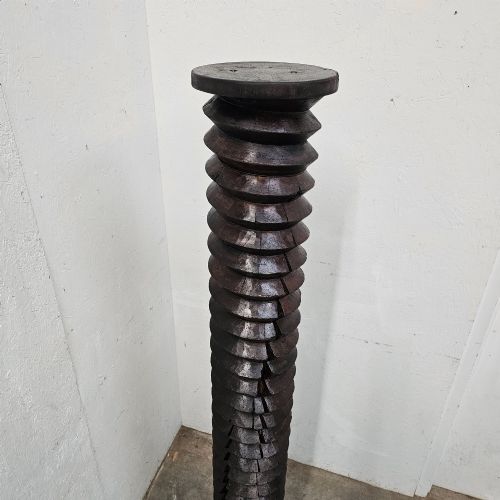
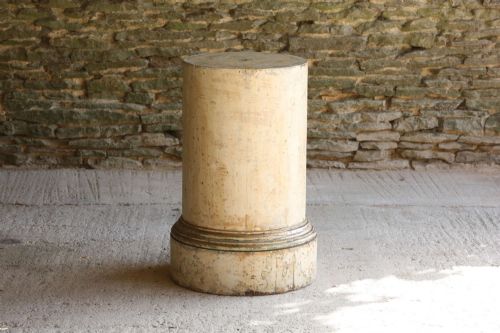
When you search for a large plant stand, you encounter substantial columns, pedestals, and jardinieres designed to support heavy planters and sculptural flora. These pieces elevate greenery to command attention in a room, shifting plants from the floor to eye level.
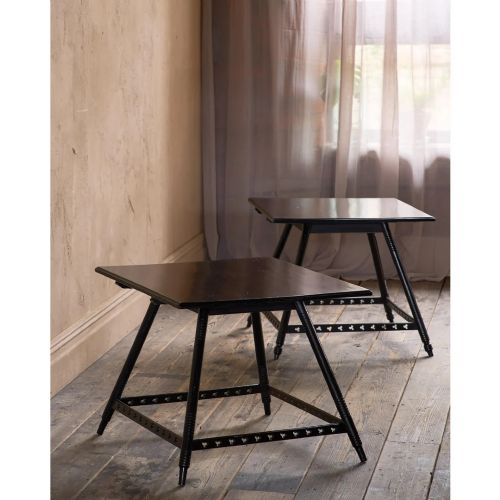
The selection ranges from nineteenth-century Victorian ebonised tables and walnut planters to Anglo-Indian folding teak tables and Chinese carved hardwood stands. Ceramic majolica and pottery jardinieres on matching stands also appear alongside classical stone and scagliola columns.
Victorian and late nineteenth-century examples dominate the offerings, often pairing robust wooden frames with marble tops or ceramic bowls. Whether taking the form of a torchiere, a plinth, or a low table, each piece is built to bear significant weight with stability.
Materials and construction
Cabinetmakers and artisans utilised dense timbers such as walnut, teak, padouk, and ebonised wood, shaping them through carving, turning, and joinery. These sturdy hardwoods provided the necessary structural integrity to support heavy stone, bronze, and ceramic vessels without buckling under pressure.
Ceramic and pottery elements, including majolica and Minton secessionist ware, were moulded and fired before being paired with dedicated stands. Stonework and columns involved carving materials like marble, red stone, and scagliola to create smooth, durable surfaces for display.
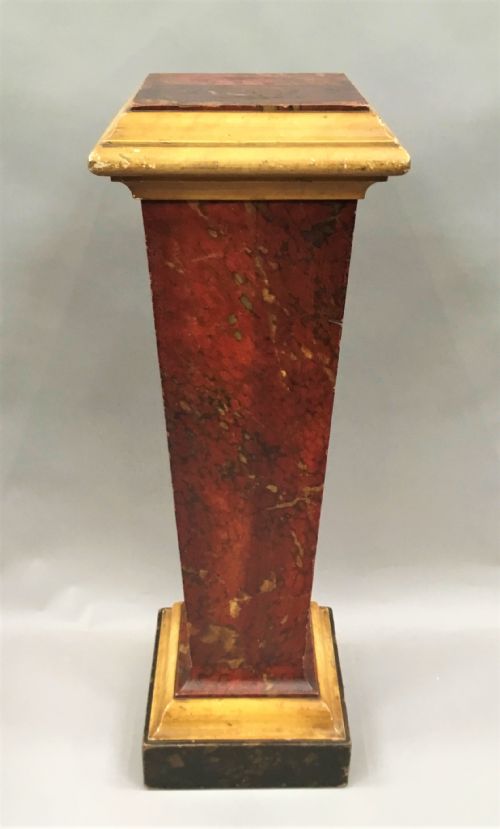
Decorative enhancements involved gilding, ormolu mounts, gesso, and paint finishes such as faux marble to mimic costlier luxury materials. Artisans combined bronze, brass, and cloisonne alongside carved wooden dragons and floral motifs to enrich the overall visual impact.
Large Plant Stand Retail Price Guide 2026
Typical asking prices for large plant stand among the pieces listed under this phrase on Sellingantiques today, from the lower quarter to the upper quarter. They describe what is for sale here now, not the wider market.
What separates the fine from the ordinary
The depth and crispness of hand-carving distinguish superior wooden stands from plain or mechanically finished counterparts. Finely articulated details on foliage, drapery, and figural elements indicate skilled craftsmanship and careful handwork.
The integrity of the materials, such as solid hardwoods, genuine marble, and high-fired ceramics, defines the upper tier of pieces. Integrated sets where the jardiniere and stand were conceived together hold greater cohesion than mismatched or later associated components.
Minton
The Large Plant Stand Glossary
- Jardiniere
- A large ornamental pot or container for plants, often manufactured from ceramic, majolica, or metal. It frequently rests upon a matching pedestal or stand.
- Torchiere
- A tall stand or pedestal, originally designed to carry a torch or lamp, adapted to support urns, busts, or large plants.
- Scagliola
- A composite material made from selenite, glue, and pigments, embedded to imitate marble and other fine stones for columns and pedestals.
- Padouk
- A durable tropical hardwood with a reddish hue, favoured in Chinese and Anglo-Indian furniture for its density and suitability for intricate carving.
- Ormolu
- Gilded bronze mounts applied to furniture and pedestals for decorative accent during the nineteenth century.
Large Plant Stand: Frequently Asked Questions
How do I identify a Victorian plant stand?
Victorian examples often utilise ebonised wood, walnut, or heavy ceramics like majolica, reflecting the period's taste for eclectic revival styles and botanical display. Look for robust construction, deep relief carving, and classical motifs such as fluted columns or Rococo scrolls.
Many of these pieces date from the late nineteenth century and employ faux marble finishes, cast bronze, or architectural plinth designs characteristic of the era.
Are jardiniere stands and plant stands the same?
A jardiniere stand is specifically built to support a matching ceramic or metal bowl designed for growing or holding plants. Standard plant stands may take the form of flat-topped tables, torchieres, or simple columns meant for potted flora.
In many listings, the two terms overlap because jardinieres and their matching bases are often categorised together as a single display unit.
How do I live with a large plant stand?
Position your stand in a corner, hallway, or beside a window where it can support a heavy trailing plant or a sculptural fern. Ensure the top surface is protected with a saucer or liner if watering plants directly on antique wood or marble.
Keep these substantial pieces away from direct heat sources to prevent timber from drying out or splitting over time.