




Large Persian Wool Rug
A large persian wool rug grounds a room with centuries of hand-knotted tradition.
Large Persian Wool Rug
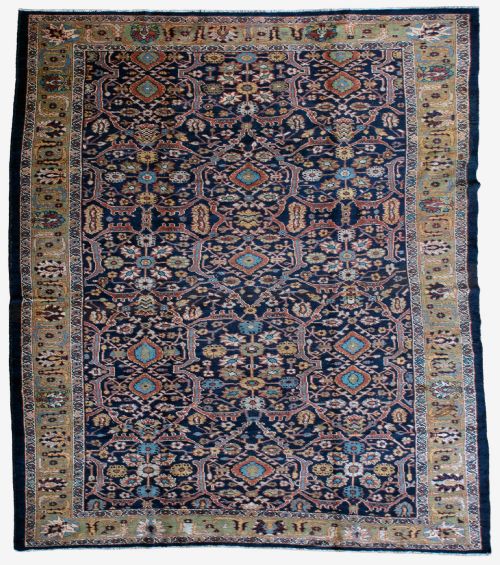
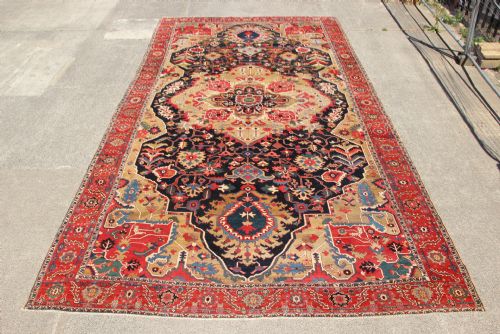
A large persian wool rug brings monumental scale and complex geometric or floral compositions into domestic spaces. These floor coverings span floor-standing room sizes, often extending beyond four metres in length.
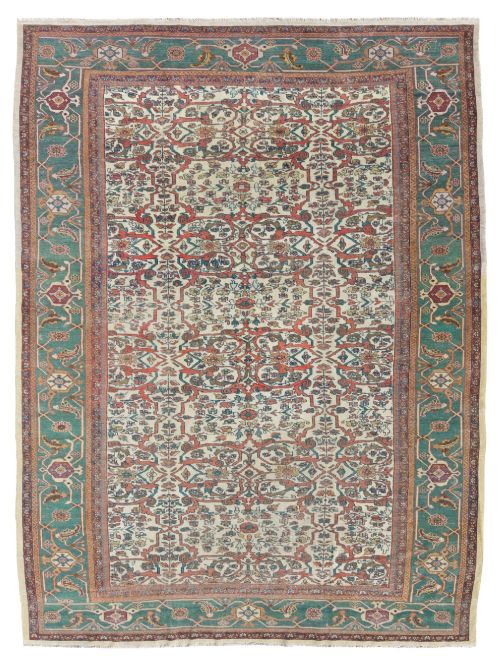
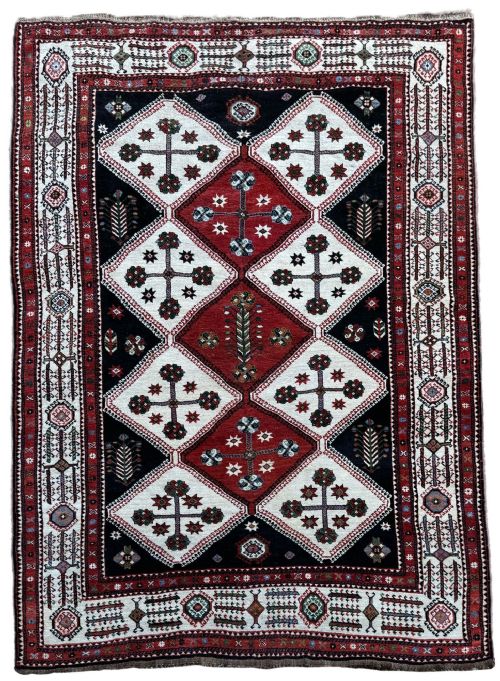
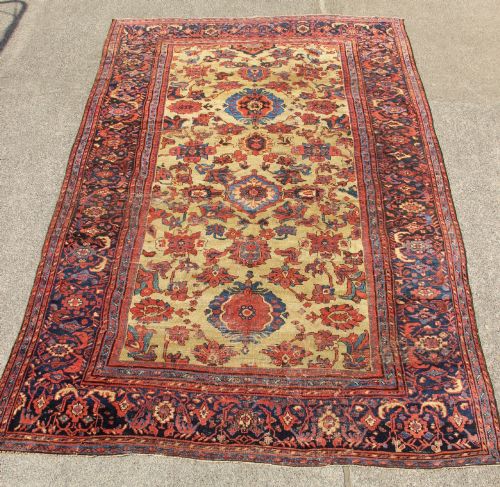
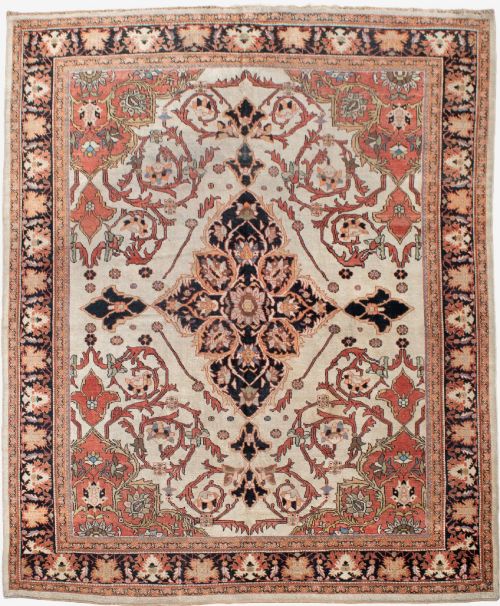
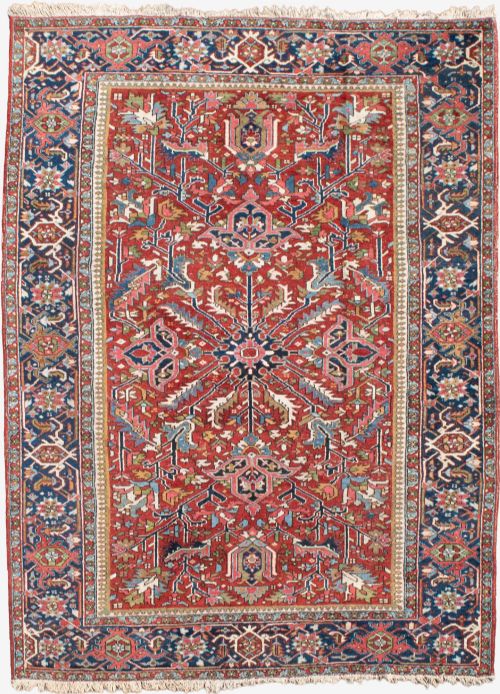
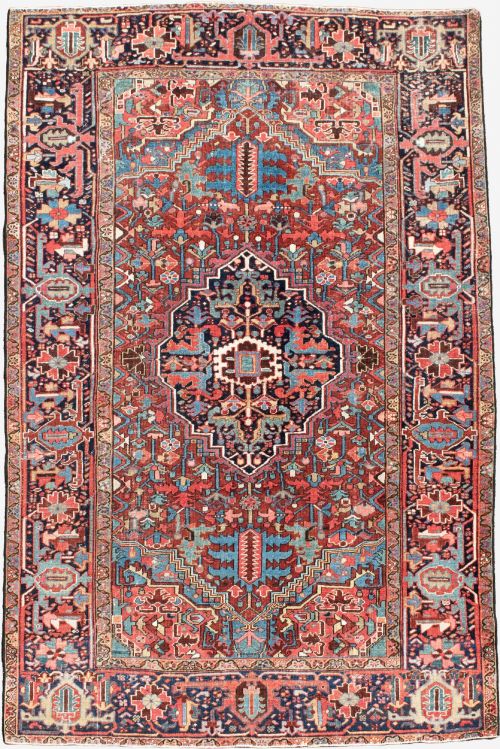
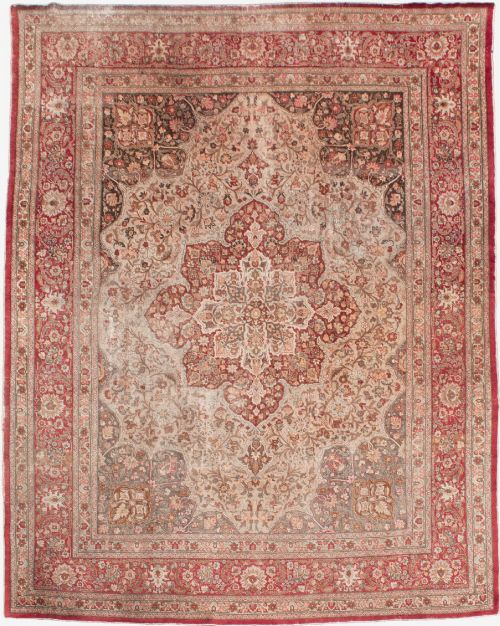
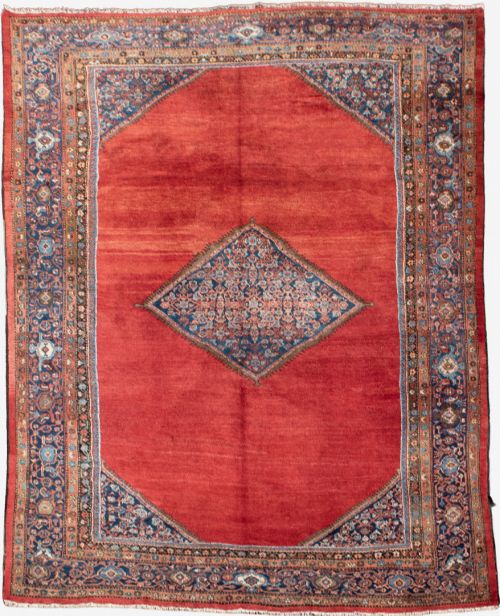
The inventory leans heavily towards nineteenth and early twentieth-century examples originating from distinct regional weaving centres. Heriz, Tabriz, Mahal and Sultanabad carpets dominate the selection alongside tribal village pieces.
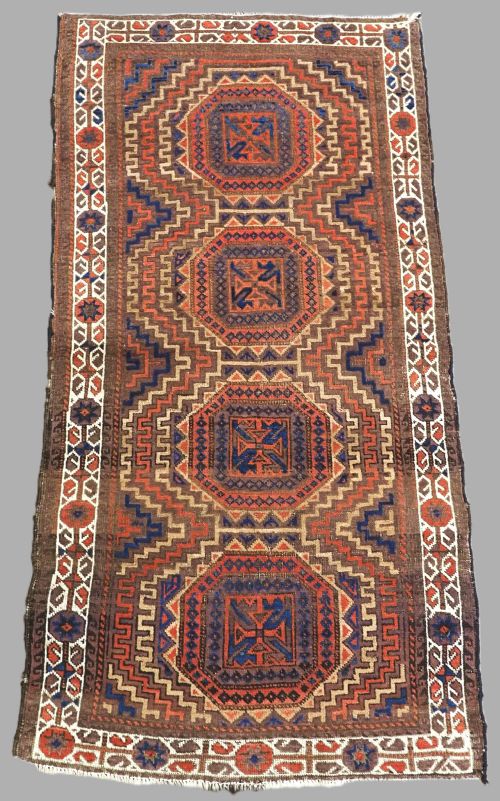
Buyers encounter formats ranging from broad square proportions to elongated hallway runners. Each piece reflects the specific aesthetic traditions of the Persian workshops and nomadic groups that produced them.
How they were made
Makers constructed these textiles using durable wool pile anchored to sturdy cotton foundation warps and wefts. Hand-knotting techniques ensure dense pile construction that withstands heavy foot traffic over generations.
Weavers utilised natural and traditional dye sources to colour the wool yarns, creating deep reds, ivory grounds and sky blue fields. Hand-weaving methods result in slight irregularities that evidence human labour rather than machine precision.
Large Persian Wool Rug Retail Price Guide 2026
Typical asking prices for large persian wool rug among the pieces listed under this phrase on Sellingantiques today, from the lower quarter to the upper quarter. They describe what is for sale here now, not the wider market.
Listings feature room-size carpets and runners dated across the nineteenth and early twentieth centuries, constructed from wool and cotton.
What varies in quality
Knot density and structural integrity separate the finest workshop productions from simpler village or tribal weaving. Finer carpets, such as those from Tabriz or Serapi workshops, exhibit meticulous detail work and superior wool grade.
The handling of natural dyes and the precision of the cartoon drawing dictate visual impact. Secondary materials and foundation wear also influence the structural longevity of older room-size carpets.
Haji Jalili Tabriz
The Large Persian Wool Rug Glossary
- Heriz
- A style of carpet originating from north-west Persia known for bold geometric medallions and robust structural wool. These rugs often feature prominent corner spandrels and large-scale central motifs.
- Sultanabad
- A nineteenth-century commercial carpet type featuring large-scale, open floral patterns adapted for Western room proportions. They typically utilise muted earth tones and softer wool handling.
- Serapi
- A sub-variety of Heriz carpet characterised by fine knotting and spacious, balanced geometric designs. Collectors prize these older pieces for their distinct artistic restraint.
- Gul
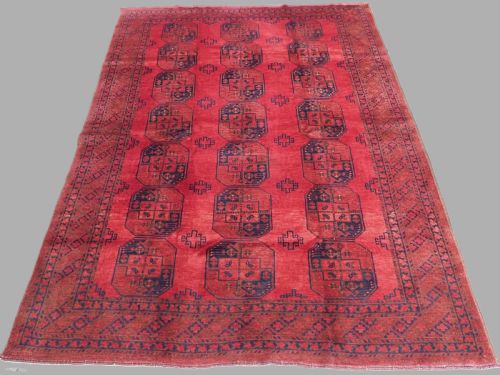
- A medallion or repeating floral motif found on tribal and nomadic rugs, particularly those from Afghan and Baluch weavers. These shapes often carry specific clan or regional identifiers.
- Ferahan
- A Persian carpet type from the central region celebrated for finely detailed Herati or floral trellis patterns. They generally present low, dense wool piles on flexible foundations.
Large Persian Wool Rug: Frequently Asked Questions
How do I clean a large rug?
Professional specialist cleaning is essential for antique wool pile textiles to prevent dye migration and fibre damage. Routine maintenance requires gentle vacuuming without rotating beater bars.
Avoid using domestic carpet shampoo machines or excessive water on nineteenth-century foundations. Specialist conservators can safely address stubborn dirt or historical staining.
Are these rugs suitable for high traffic?
Wool pile combined with a cotton foundation provides natural resilience against regular household foot traffic. Room-size carpets from Heriz and Mahal traditions were specifically built for heavy domestic use.
Placing a quality underlay beneath the carpet prevents lateral slippage and reduces pile crushing. This protective layer absorbs impact and extends the active lifespan of the textile.
How do I identify a Heriz carpet?
Heriz carpets typically display a distinct large-scale geometric medallion paired with heavy corner spandrels. The palette often incorporates terracotta reds, navy blues and ivory highlights.
These rugs feel notably heavy and rigid due to thick cotton warps and dense wool knotting. The drawing leans towards stylized, rectilinear interpretations of floral forms rather than curved lines.
What is the difference between village and workshop rugs?
Village and tribal rugs rely on memory or local tradition, resulting in charming asymmetries and spontaneous design shifts. Workshop carpets follow pre-planned cartoons drafted by master designers.
Workshop pieces from centres like Tabriz or Kirman display refined symmetry and intricate curved floral motifs. Village pieces from regions like Afghanistan or Bakshiash favour bold, tribal geometry.