



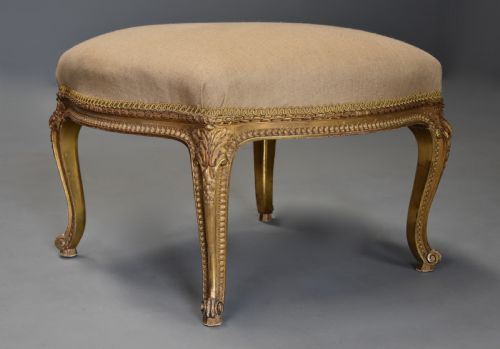


Large Padded Ottoman
A large padded ottoman offers generous surface space and versatile seating, bringing both comfort and traditional character to a room.
Large Padded Ottoman
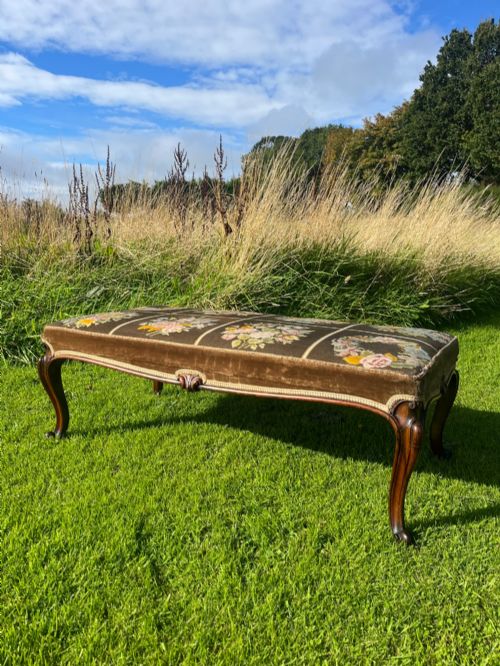
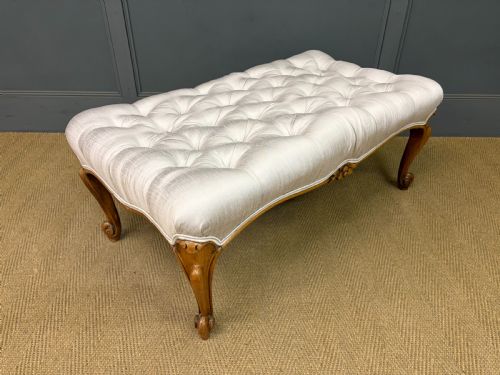
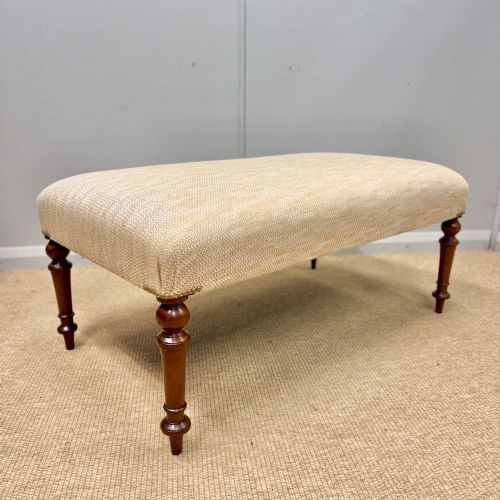
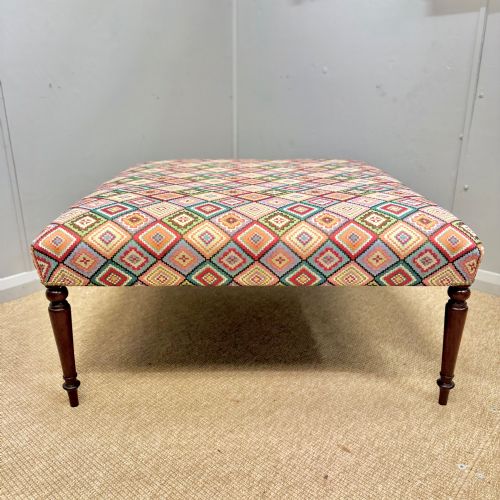
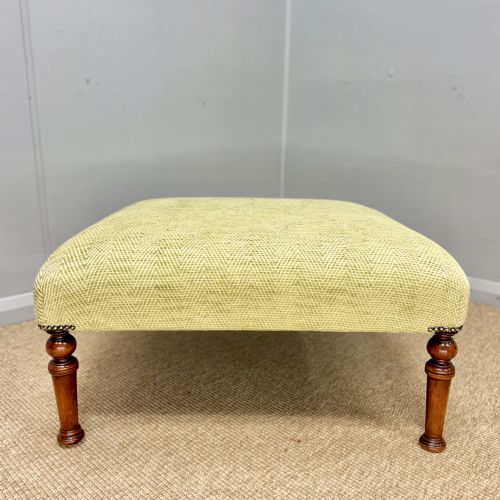
A large padded ottoman provides a substantial resting place for feet or an extra seat within a room, often taking central placement. The pieces seen here span periods from the Georgian era through the Victorian epoch and into the twentieth century.
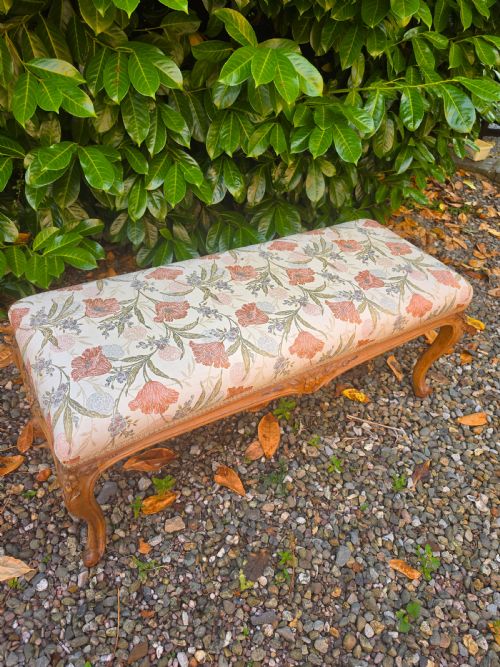
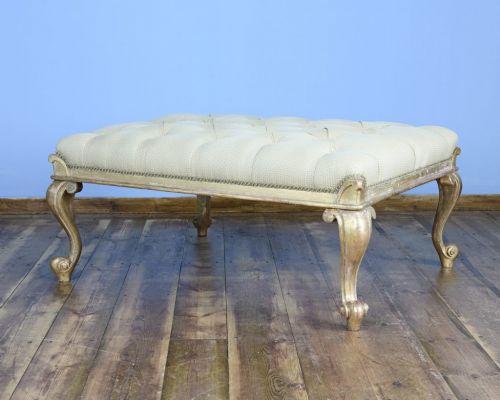
Forms include square, oblong, and low centre styles, frequently upholstered in fabric or leather. Many sit upon brass castors or cabriole legs, ranging from English country house expressions to French revival designs.
The materials and frames vary widely, encompassing mahogany, walnut, rosewood, and giltwood structures. These versatile items function equally well as footstools, low hall seats, or storage chests.
Quality Variations
The distinction between tiers rests upon the ambition of the timber carving and the fidelity of the period style. Finely carved mahogany frames and parcel gilt ornamentation demand greater skill than plain wooden structures.
Upholstery execution also creates separation, particularly where needlework or buttoned leather is applied with precision. The presence of stamped maker details or specific regional flourishes adds notable distinction.
Some nineteenth-century sitters rested weary feet on rocking gout stools while waiting for the port to circulate.
LOIDRAULT FRERES PARIS
The Large Padded Ottoman Glossary
- Cabriole leg
- A furniture leg that curves outward and then tapers inward, typically ending in an ornamental foot. This design is frequently seen on Victorian and revival walnut stools.
- Gros-point
- A heavy, counted-thread embroidery stitch used on canvas work. It provides a durable and textured surface for antique stool tops.
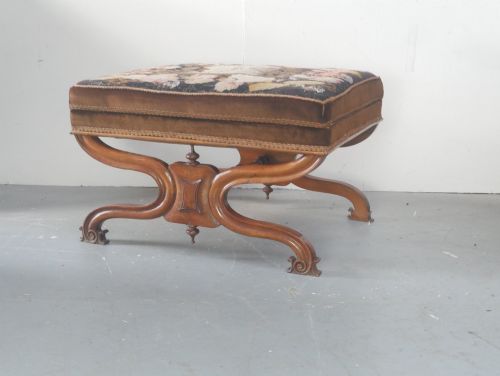
- Cross stretcher
- An intersecting wooden brace between the legs of a stool or table for added stability. These components often feature decorative turnings or central finials.
- Parcel gilt
- A finishing technique where selected areas of a wooden frame are partially gilded with gold leaf. This highlights carved details on grand scale footstools.
- Kist
- A traditional wooden storage chest or box used for blankets and household items. Examples in pine serve similar practical functions to traditional ottomans.
Large Padded Ottoman: Frequently Asked Questions
Where should I place a large padded ottoman?
These pieces sit comfortably in the centre of a room as an alternative to a coffee table or at the foot of a bed. Their generous proportions provide an inviting surface for resting feet or seating guests.
In larger spaces, a low centre stool anchors the arrangement of surrounding armchairs and sofas. They also function well against a wall as a low hall seat.
How do I care for leather and fabric upholstery?
Leather upholstery benefits from regular dusting and occasional conditioning to maintain suppleness and prevent drying out. Fabric surfaces require gentle vacuuming with a soft attachment to remove surface particles.
Keep antique textiles away from direct sunlight to preserve the original colours of the material. Professional cleaning is recommended for antique needlework and delicate coverings.
How do I distinguish Victorian from Georgian styles?
Victorian pieces often display heavier proportions and eclectic revivals like Scottish Baronial or Rococo Revival. Timber choices such as rosewood and walnut were frequently used to create rich, dark finishes.
Georgian and William IV designs tend to emphasise classical restraint alongside robust mahogany frames. Parcel gilt accents and finer structural carvings are common indicators of these earlier periods.
Are these ottomans suitable for daily seating?
Solid timber frames and sturdy padding make these sturdy enough for regular use in a busy household. Many examples feature robust brass castors designed for ease of movement across floors.
Their substantial construction handles weight comfortably while serving multiple daily functions. Modern placement depends primarily on the height and firmness of the individual padding.