





Large Oak Extension Table
A large oak extension table anchors a dining room with substance, bringing centuries of adaptable design and enduring timber to daily meals.
Large Oak Extension Table
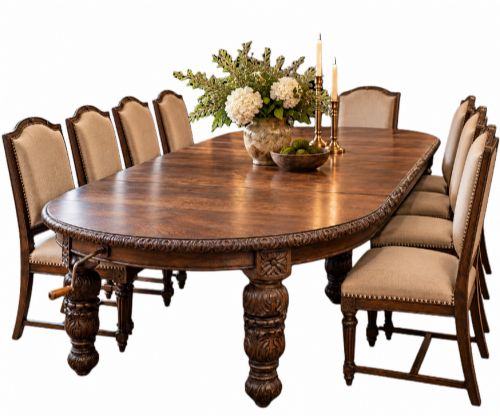
A large oak extension table provides a robust surface for communal dining, merging heavy timber construction with mechanical leaves or draw-out mechanisms. When you search for a large oak extension table, you encounter substantial dining furniture built to seat ten or more guests.
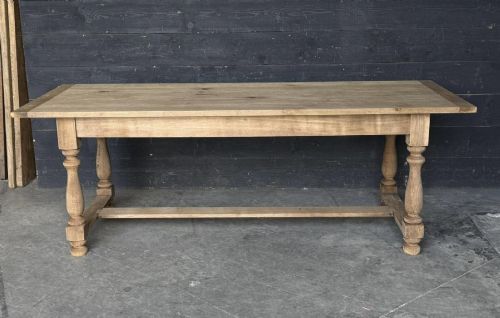
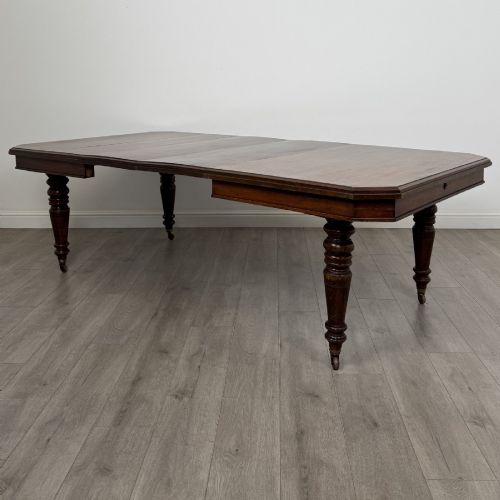
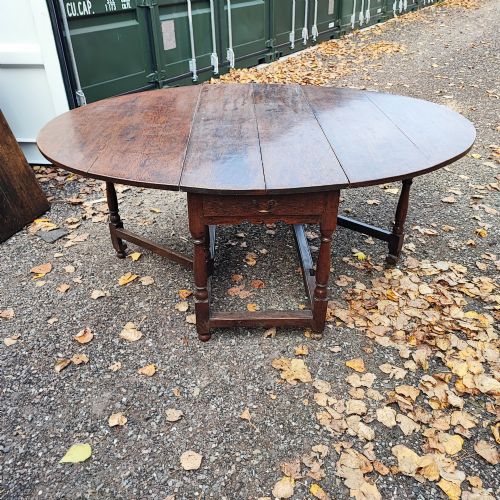
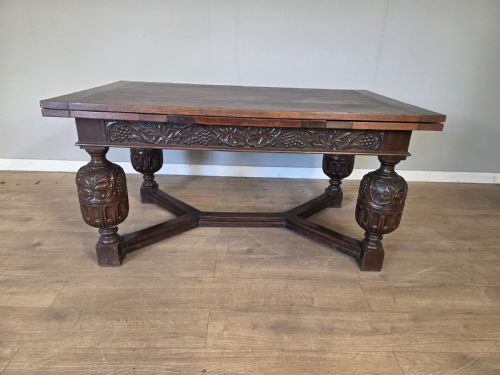
The pieces appearing here span the nineteenth and twentieth centuries, incorporating Victorian, Edwardian, and earlier revival aesthetics such as Jacobean, Elizabethan, and Gothic styles. Dining tables dominate these records, presented in forms ranging from refectory formats to gateleg drop-leaf configurations and double extending frames.
Origin variations include English period pieces alongside French provincial and farmhouse interpretations. Buyers most frequently meet nineteenth-century examples and early twentieth-century revivals finished in solid, blonde, bleached, or pollard oak.
Construction and materials
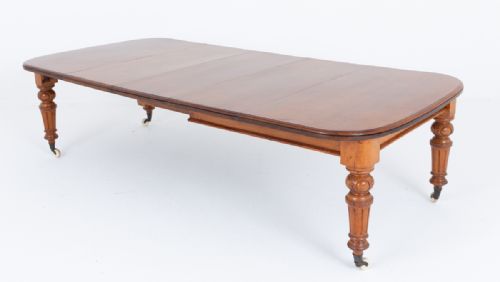
Makers built these dining tables primarily from solid oak, sometimes utilising fruitwood for secondary framing or incorporating timber inlay for surface decoration. Supporting elements often integrate brass, iron, or ceramic castors to ease the movement of heavy extending frames across floorboards.
Joinery techniques rely on sturdy traditional framing designed to support the immense weight of hardwood tops and sliding extension mechanisms. Surface treatments vary from natural waxed finishes to bleached oak applications and heavy carved detailing associated with revival movements.
Large Oak Extension Table Retail Price Guide 2026
Typical asking prices for large oak extension table among the pieces listed under this phrase on Sellingantiques today, from the lower quarter to the upper quarter. They describe what is for sale here now, not the wider market.
One extraordinary nineteenth-century dining table stretches to fourteen feet in length, requiring a dedicated crew just to rearrange the dining room.
Assessing quality in period dining tables
Quality rests in the smoothness of the extension mechanism and the integrity of the timber selection, such as figured pollard oak or dense solid boards. Superior examples maintain structural alignment when fully extended, ensuring the leaves meet flush without sagging.
Carving depth and hand-finished details separate standard production models from exceptional workshop pieces. The weight of the timber and the precision of the joinery beneath the top define the longevity of the table.
The Large Oak Extension Table Glossary
- Draw-leaf
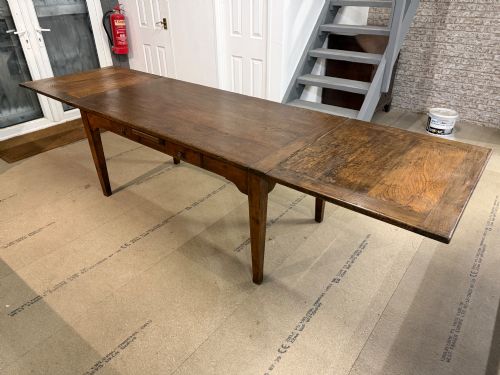
- A table design featuring leaves stored beneath the main top that pull out from each end to extend the surface. This mechanism allows the surface area to double without requiring separate loose leaves.
- Gateleg table
- A drop-leaf table where hinged legs swing outward on a gate-like frame to support the dropped flaps. It offers a compact footprint when folded and substantial surface area when opened.
- Refectory table
- A long, narrow dining table historically used in communal dining halls and characterised by strong stretcher bases. These pieces provide generous legroom and heavy timber proportions.
- Pollard oak
- Oak timber harvested from trees that were pollarded, producing a highly figured, mottled grain pattern. Cabinet makers valued this wood for decorative table tops and formal furniture.
- Barley twist
- A turned column or leg carved in a spiral rope pattern popular in seventeenth-century furniture and later revival periods. It adds distinct vertical movement to heavy oak dining tables.
Large Oak Extension Table: Frequently Asked Questions
How do draw-leaf extension tables work?
Draw-leaf tables use a clever two-tier system where auxiliary leaves sit directly beneath the main surface. When pulled outward, the main top rises slightly and the leaves slide up and lock into place.
This design keeps the leaves securely stored within the table frame itself, removing the need to store separate boards elsewhere in the house.
How many people can a large oak table seat?
A large extension table typically accommodates eight to ten diners in its standard configuration, expanding further when extended.
Length and leg placement dictate seating capacity, with refectory and draw-leaf formats offering the most uninterrupted legroom along the sides.
How do I care for a historic oak surface?
Historic oak surfaces respond best to regular dusting with a soft cloth and occasional applications of traditional beeswax to nourish the timber.
Avoid excessive moisture and direct heat sources, which can dry out the wood or affect the sliding mechanism of extension leaves.
How do I distinguish Victorian from Edwardian oak tables?
Victorian oak tables often feature heavier carving, darker finishes, and robust proportions influenced by Gothic or Elizabethan revivals. Edwardian examples tend to display lighter oak tones and simpler lines, reflecting changing interior tastes toward brighter spaces.
Both periods utilise solid oak and practical extension systems, but the decorative vocabulary and overall visual weight reveal the era of manufacture.