


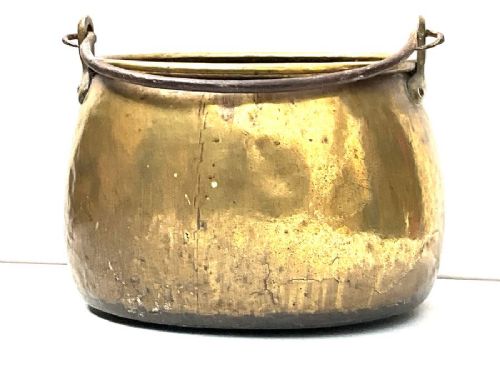


Large Metal Cooking Pots
Large metal cooking pots combine industrial utility with domestic history, offering robust vessels forged from copper, brass, iron, and bronze.
Large Metal Cooking Pots
Large metal cooking pots encompass heavy domestic and hearth cookware designed for volume food preparation across centuries. When seeking large metal cooking pots, buyers encounter substantial vessels ranging from Georgian copper saucepans to Victorian preserving pans and seventeenth-century continental bronze cauldrons.
Origins span British, French, and broader continental workshops from the seventeenth through the nineteenth centuries. Domestic kitchen utility meets decorative display, as heavy metal surfaces acquire deep patinas through decades of service.
How they were made
Metals including copper, brass, iron, bronze, and tin were hammered, cast, or wrought into shape by metalworkers. Copper sheets were hand-beaten and joined, whilst brass and bronze were cast in moulds to create thick, heavy vessel walls.
Handles of iron or brass were securely attached using rivets or integrated directly into the casting process. Many vessels received tin linings internally to prevent food contamination during culinary use over open flames.
Large Metal Cooking Pots Retail Price Guide 2026
Typical asking prices for large metal cooking pots among the pieces listed under this phrase on Sellingantiques today, from the lower quarter to the upper quarter. They describe what is for sale here now, not the wider market.
Some nineteenth-century preserve pans still retain faint splashes of hardened jam from their final kitchen service.
What varies in quality
Wall thickness and metal weight dictate the structural integrity and heat distribution of each vessel. Heavy gauge copper and dense bronze castings represent superior production standards intended for heavy kitchen deployment.
Maker marks, stamps, and refined handle attachments distinguish workshop output from standard utilitarian ware. Original surfaces, intact linings, and untouched patinas elevate historical integrity.
The Large Metal Cooking Pots Glossary
- Cauldron
- A large metal pot with a large capacity and handles, traditionally used for boiling over an open fire. These heavy vessels often feature three feet or a rounded base designed for hearth placement.
- Daubiere
- A specialised heavy cooking pot utilised for braising meats and stews slowly. The design includes a tight-fitting lid intended to retain moisture during long cooking times.
- Preserve Pan
- A wide, shallow metal vessel designed for boiling fruit and sugar mixtures evenly. The generous diameter allows rapid evaporation during jam and preserve making.
- Patina
- The surface sheen and coloration developed through age, handling, and use over many decades. This oxidized layer evidences the genuine historical age of the metal.
Large Metal Cooking Pots: Frequently Asked Questions
How do I clean an antique copper pot?
Traditional copper maintenance involves gentle washing with warm soapy water and drying thoroughly to preserve the aged surface. Many collectors prefer to retain the dark, historical patina rather than polishing the metal to a bright shine.
Harsh chemical abrasives should be avoided entirely to protect the original hammered texture and surface markings from damage.
Can I still cook in these pots?
Most antique metal cooking pots require a professional tin lining restoration before food preparation. Without an intact interior lining, copper and brass can react with acidic ingredients during cooking.
Many buyers choose to display these vessels as decorative interior items rather than utilising them for modern culinary purposes.
How do I date a brass cauldron?
Dating relies upon examining the casting techniques, handle fixings, and overall pot proportions. Earlier seventeenth-century examples typically feature rougher sand-cast bronze surfaces and heavy iron swing handles.
Nineteenth-century pieces often display more uniform machine-rolled sheets or refined brass casting methods associated with Victorian domestic manufacturing.
What is the difference between brass and copper?
Copper is a pure reddish metal prized for excellent heat conductivity, whilst brass is an alloy of copper and zinc offering a golden hue and greater rigidity. Both metals were deployed in historical kitchens depending on the specific cooking task required.
Saucepans were predominantly formed from copper for temperature control, whereas cauldrons and preserve pans frequently utilised cast brass.