


Large Metal Bird
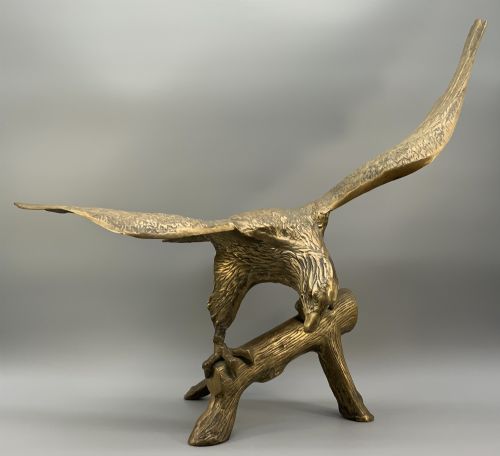
A large metal bird brings weight and presence to a room, taking the form of cast brass eagles, bronze cranes, or enamel phoenix chargers.
Large Metal Bird
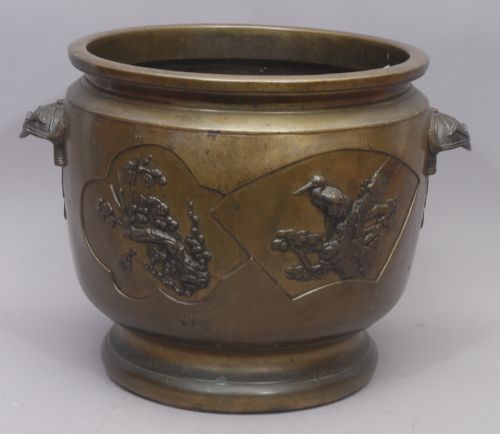
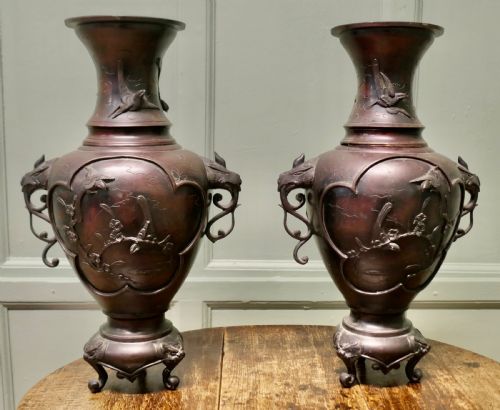
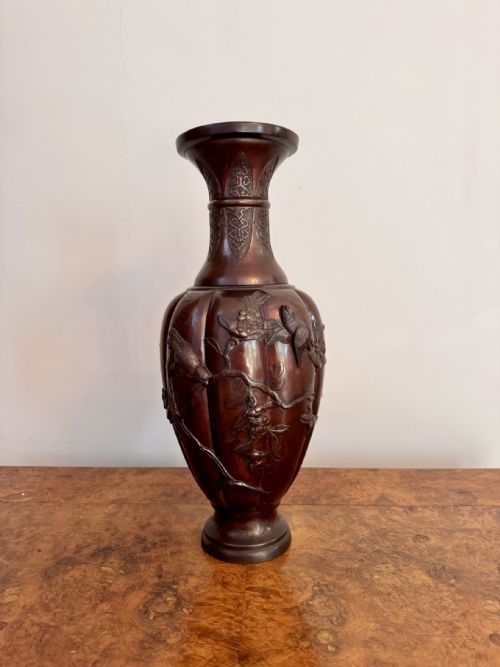
When you search for a large metal bird, you encounter sculptural animals, decorative vessels, and enclosures originating from nineteenth-century Japan, China, France, and Britain. These objects range from cast bronze raptors and cranes to cloisonne enamel chargers and vases decorated with owls, birds on branches, and ho-o phoenixes.
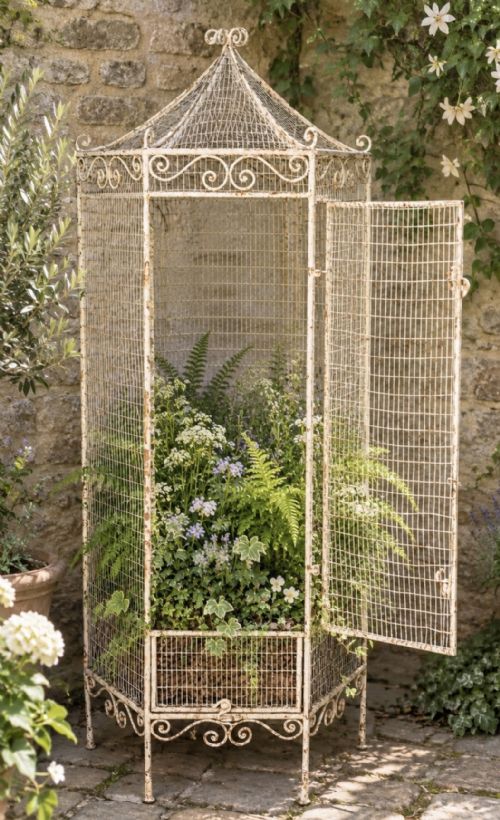
The most common versions on this page are heavy Japanese bronze vases and large cloisonne enamel chargers from the Meiji and Edo periods, alongside substantial brass and wire frame bird cages and cast brass sculptures.
How they were made
Makers utilised bronze, brass, copper, and zinc, shaping them through casting, hammering, and wire-working. Sculptures and vessels use heavy cast bronze or brass, whilst cages employ drawn wire mesh, iron, and brass frames.
Enamel pieces combine metal bases with intricate cloisonne wirework to outline birds, foliage, and landscapes before firing coloured glass pastes into the cells.
Several heavy bronze and brass birds maintain eternal vigilance from their perches without ever demanding food or water.
What varies in quality
Quality rests upon the crispness of the metal casting, the precision of the chiselling on bronze surfaces, and the fineness of the wirework on enamel chargers. Superior examples display detailed feather texturing, balanced proportions, and deep, even patination.
Lesser items show soft detail, clumsy assembly, or uneven enamel firing that lacks the depth found in masterworks.
The Large Metal Bird Glossary
- Cloisonne
- Enamelwork in which coloured pastes are contained within wire cells soldered to a metal base. This technique creates detailed pictorial designs of birds and landscapes.
- Jardiniere
- An ornamental pot or stand for holding plants or flowers. These items often take the form of heavy bronze bowls decorated with oriental motifs.
- Meiji Period
- The era in Japanese history spanning from 1868 to 1912. Metalwork from this time is noted for high technical skill in bronze casting.
- Ho-o
- A mythical bird or phoenix appearing in East Asian art. It frequently decorates large cloisonne palace vases and chargers.
Large Metal Bird: Frequently Asked Questions
How were these metal birds used?
Sculptural birds served as interior ornaments for rooms and halls, while large bronze vases and jardiniere planters displayed foliage.
Enamel chargers and bowls functioned as decorative table or wall centerpieces, and wire frame structures served as functional or ornamental bird cages.
How do I live with a large metal bird?
These substantial pieces require sturdy furniture or floor space given their significant weight, particularly the heavy bronze vases and solid brass sculptures.
They pair well with traditional and eclectic interiors, acting as focal points on side tables, altars, or dedicated display stands.
How do I tell periods apart?
Dating relies on stylistic markers and manufacturing techniques, such as distinguishing Edo period Japanese cloisonne from later Meiji examples through wire density and palette.
Victorian and Edwardian brass cages and sculptures show European casting styles and hardware distinct from nineteenth-century Asian metalwork.