


Large Iron Planter
A large iron planter holds centuries of garden tradition, bringing heavy form and enduring metal to grounds and terraces.
Large Iron Planter
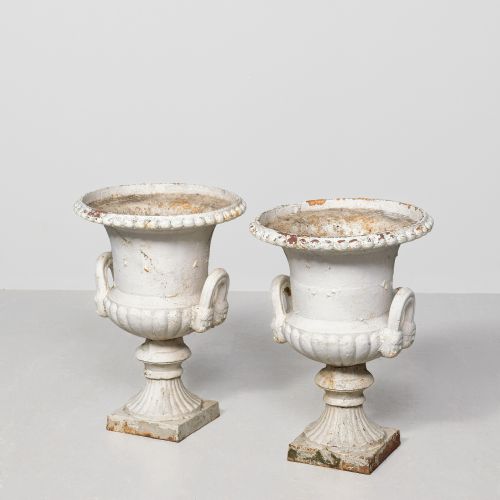
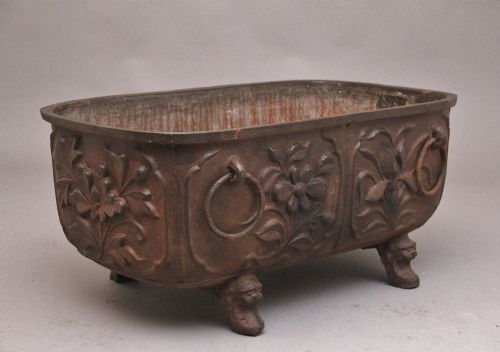
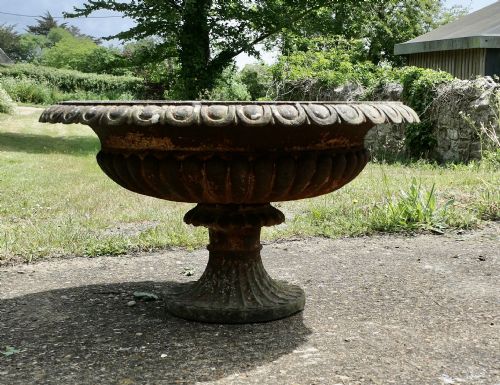
A large iron planter typically takes the form of a garden urn, jardiniere, or trough designed for outdoor display. These substantial vessels appear predominantly in Victorian and 19th-century styles, originating from English, French, and wider European workshops. Gardeners and collectors seek them out for their heft and architectural presence on terraces and lawns.
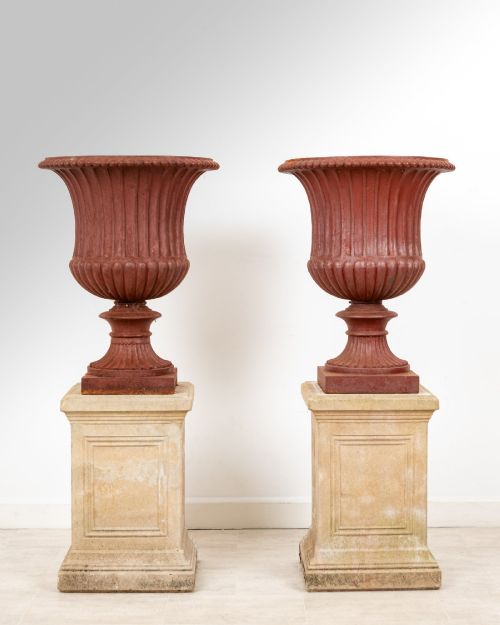
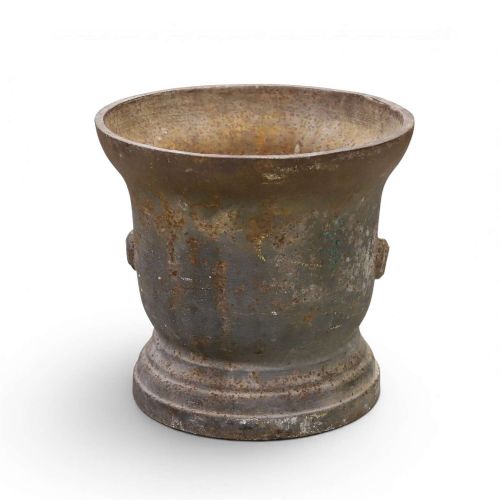
The selection ranges from campana urns and tazza designs on pedestals to simpler cast iron troughs and mortars. Many examples show the influence of Neoclassical or Gothic Revival aesthetics, while others reflect practical country house and industrial origins. Buyers frequently encounter matched pairs alongside singular monumental pieces.
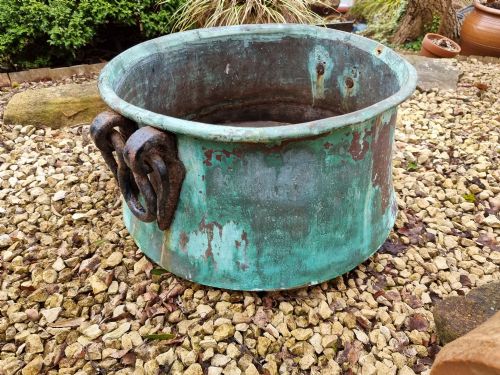
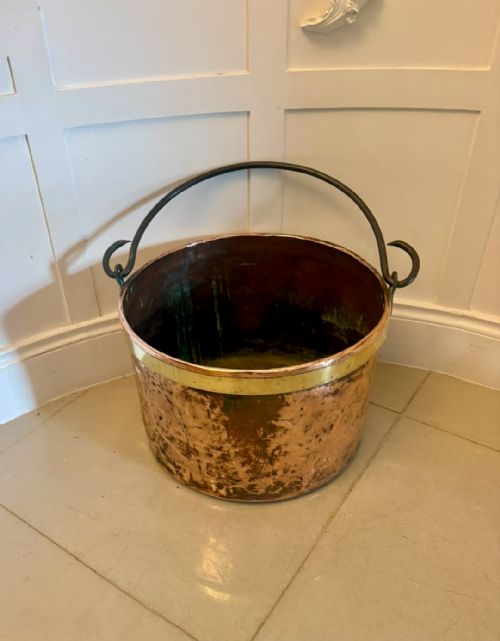
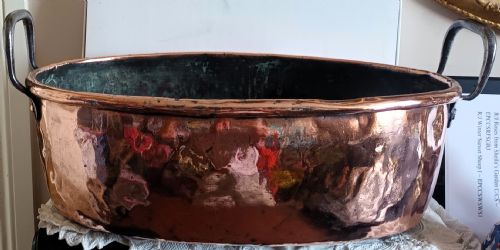
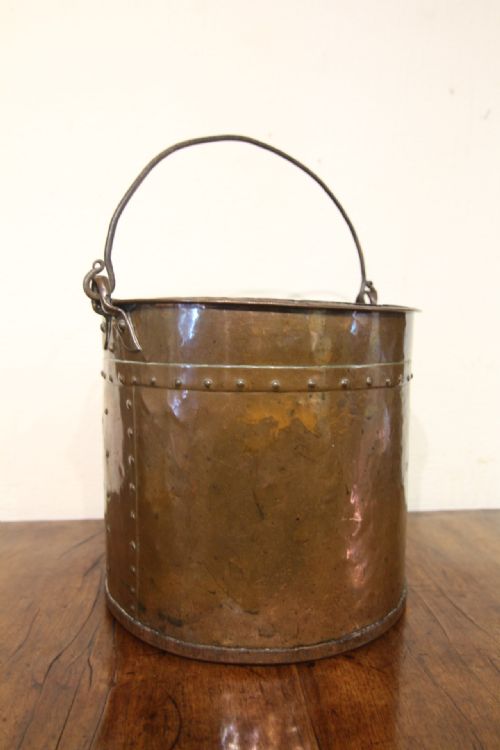
Beyond traditional garden use, forms such as cauldrons, copper-riveted buckets, and log bins cross over into interior and fireside settings. The integration of iron with copper, brass, and oak appears across multiple periods, linking utilitarian vessels with decorative garden ornaments.
Distinctions in Quality
Quality rests on the crispness of the casting and the depth of the decorative relief. Superior pieces display sharply defined classical foliage and heraldic details without surface pitting from poor foundry work. The thickness of the metal wall also signals a higher grade of production, ensuring structural integrity.
Proportion and balance define the better specimens, particularly where urn bowls meet distinct pedestals or plinths. Maker attribution, such as works from known foundries like Andrew Handyside, elevates a piece through documented provenance.
Listings feature items spanning the Georgian, Victorian, and 19th-century periods, constructed from cast iron, wrought iron, copper, brass, oak, and terracotta.
Andrew Handyside
The Large Iron Planter Glossary
- Campana urn
- A bell-shaped garden vessel with an everted rim and a pedestal foot. This classical form became popular in cast iron during the 19th century.
- Tazza
- A shallow cup or basin on a standard, often used for garden planting. Victorian examples frequently feature decorative handles and classical moulding.
- Jardiniere
- An ornamental pot or stand for holding plants or flowers. These items appear in both metal and ceramic across European domestic and garden spaces.
- Cauldron
- A large metal pot with a swing handle, originally used for boiling or heating. Robust metal versions transitioned into garden planters and log holders.
- Verdigris
- A green patina formed naturally on copper, brass, or bronze through atmospheric oxidation. This surface layer develops over long periods outdoors.
Large Iron Planter: Frequently Asked Questions
How do I clean a cast iron planter?
Remove loose dirt with a soft brush and wash the surface using mild soapy water and a sponge. Avoid harsh chemical cleaners that strip the protective oxidation and historical paint layers.
Allow the metal to dry thoroughly before applying a light coat of exterior wax or oil if you wish to inhibit further rusting. Keeping the drainage hole clear prevents internal water pressure from cracking the metal during freezing weather.
Can these planters stay outside all winter?
Cast iron and wrought iron vessels handle cold temperatures well, but trapped soil moisture freezing inside can expand and crack the metal. Elevating the planter slightly on pot feet ensures proper drainage during heavy rain and snow.
Moving smaller items under shelter or lining large urns with protective material helps preserve older ironwork. Regular checks of the base prevent moisture accumulation against stone or patio surfaces.
How do I date a 19th-century iron planter?
Examine the casting seams, bolt types, and surface texture for clues about manufacturing methods. Early Victorian pieces often feature hand-finished details and heavier wall thickness compared to later industrial reproductions.
Reference stylistic cues such as Gothic Revival tracery or Neoclassical swags that align with documented period designs. Maker stamps or registration numbers found on the base provide the most reliable chronological markers.
Are these heavy planters difficult to position?
Substantial iron and stone combinations require mechanical lifting equipment or multiple people to move safely. Planning the exact location beforehand prevents repeated shifting of fragile historic pedestals.
Placing sturdy wooden battens underneath distributes the immense weight evenly across garden terraces or lawns. Once positioned, the sheer mass keeps the vessel stable against high winds.