

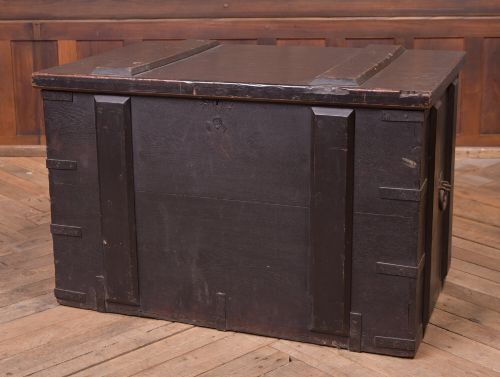


Large Iron Bound Trunk
A large iron bound trunk serves utility and presence alike, offering robust storage shaped by centuries of travel and trade.
Large Iron Bound Trunk
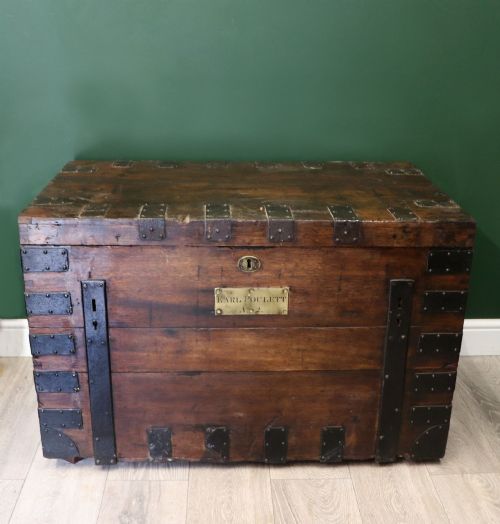
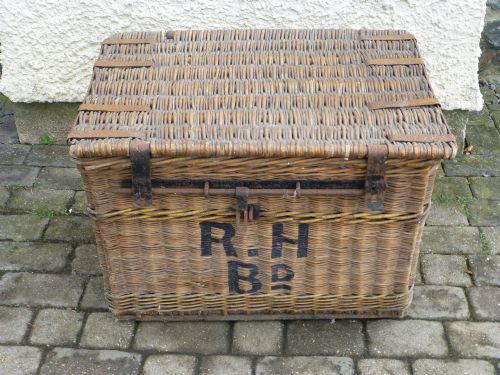
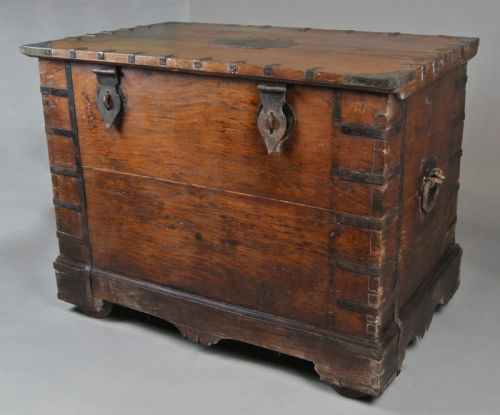
A large iron bound trunk brings heavy storage solutions into domestic interiors, frequently taking the form of nineteenth-century pine, teak, or oak chests reinforced with metal straps. These pieces originate from diverse contexts, including campaign travel, domestic silver storage, and colonial trade.
Victorian pine and oak examples dominate the current selection, often equipped with robust iron bands, carrying handles, and zinc linings intended for secure transit. Alongside these, buyers encounter specialised forms such as dowry chests, strongboxes, and merchants' chests.
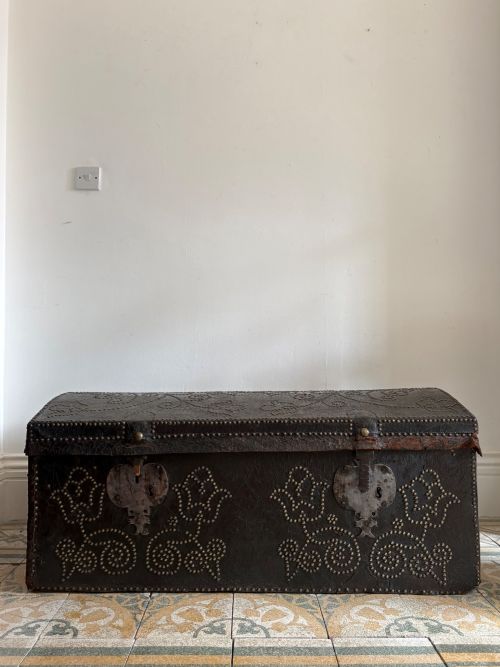
Earlier pieces from the eighteenth and sixteenth centuries introduce rarer constructions, including dome top designs, leather studding, and intricate Nuremberg caskets. Each variant reflects the specific security and transport demands of its period.
Materials and construction
Construction relies upon durable timbers such as oak, teak, and pine, selected for structural integrity and resistance to heavy handling. Carpenters joined these boards using traditional methods before reinforcing the corners and lids with heavy iron or brass bands.
Wrought iron and brass hardware provides both functional security and structural bracing, fixed with visible rivets or studs. Many travel-focused examples incorporate internal zinc linings or fitted compartments designed to protect specific valuables during long journeys.
Large Iron Bound Trunk Retail Price Guide 2026
Typical asking prices for large iron bound trunk among the pieces listed under this phrase on Sellingantiques today, from the lower quarter to the upper quarter. They describe what is for sale here now, not the wider market.
Some travel trunks retain the faded travel labels and shipping destination marks of long-forgotten journeys.
Assessing quality and origin
Quality rests upon the integrity of the primary timber and the robustness of the metal reinforcement. Superior pieces display substantial framing, original ironwork, and intact internal fittings such as trays or linings rather than later replacements.
Provenance and specialised manufacture elevate certain examples, particularly those bearing retailer stamps, bespoke campaign fittings, or regional decorative traditions like Dutch leather studding or Indian hardwood carving.
H D Dean
The Large Iron Bound Trunk Glossary
- Campaign trunk
- A chest designed for military officers or travellers, built to withstand frequent transit and often featuring recessed brass handles or sectional interiors.
- Silver chest
- A heavy storage box, typically lined with baize or zinc, originally utilised for transporting and preserving domestic silverware.
- Nuremberg casket
- A small, highly secure iron box featuring complex internal locking mechanisms operated by a single key, produced in Germany.
- Dowry chest
- A large storage receptacle commissioned to hold household goods and textiles for a marriage, often constructed from dense timbers like teak.
- Strongbox
- A heavily reinforced metal and wood container designed for secure storage of currency or valuable documents.
Large Iron Bound Trunk: Frequently Asked Questions
How were these trunks originally used?
These trunks served multiple purposes, from military campaigns and maritime shipping to storing domestic silver and household linens. Their robust construction ensured contents remained secure and protected from moisture during transit.
Over time, many transitioned from utilitarian travel gear to static domestic storage, functioning as blanket boxes, coffee tables, or focal points in country houses and period rooms.
What woods are commonly found?
Pine appears frequently in domestic and tool chests, offering a sturdy yet accessible medium for nineteenth-century makers. Hardwoods like oak, teak, and various Indian hardwoods provide greater weight and durability for export and campaign pieces.
Selecting the appropriate timber depended largely on the intended destination and the value of the contents meant to travel inside.
How do I date a trunk?
Dating relies on combining the timber type, construction methods, and hardware style. Nineteenth-century pieces often display machine-sawn boards and standardised iron bands, whereas eighteenth-century examples feature hand-forged elements and pegged joinery.
Retailer labels, maker marks, and historical locks further narrow the specific decade of production.
Are these trunks suitable for daily use?
Their original design for heavy travel makes them exceptionally well-suited for modern domestic storage. Many owners utilise them in living spaces as coffee tables with internal storage or at the foot of beds for spare blankets.
Their heavy iron banding and durable timbers easily withstand everyday interaction in busy households.