




Large Handled Vases
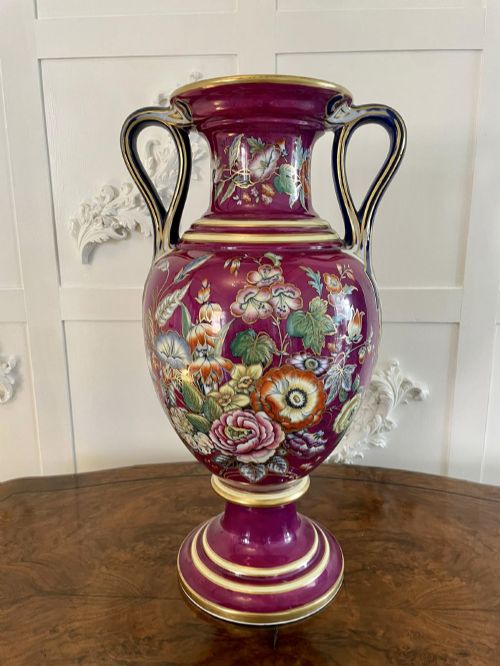
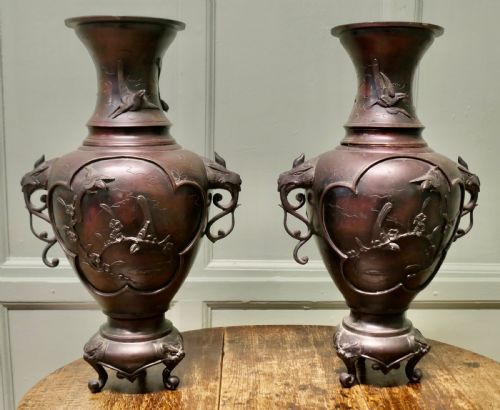
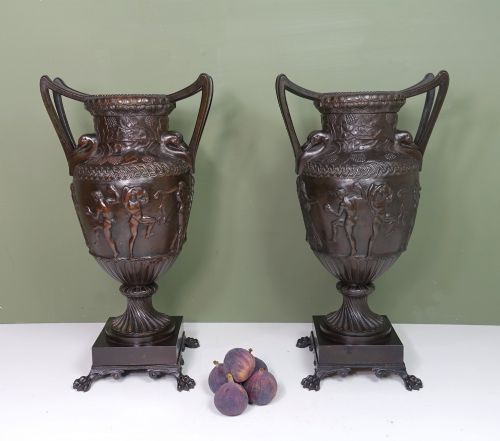
Large handled vases bring heavy presence to a room, cast in bronze or thrown in porcelain from the nineteenth century onward.
Large Handled Vases
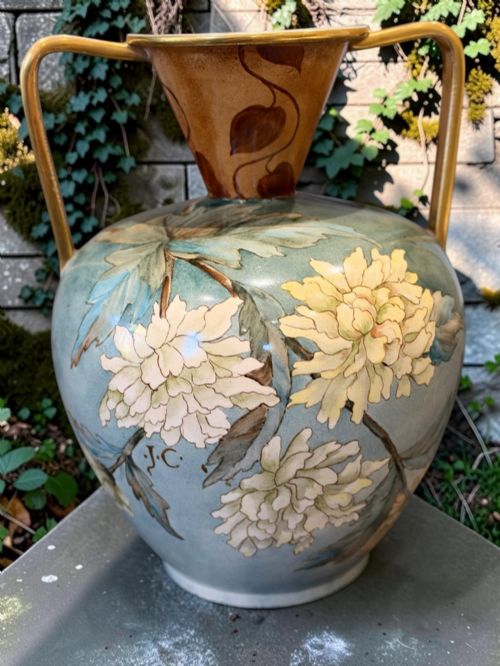
Large handled vases encompass substantial vessels designed for display, often featuring twin handles or ewers intended to command attention in a room. When exploring large handled vases, one encounters varied forms ranging from heavy bronze urns to delicate porcelain display pieces.
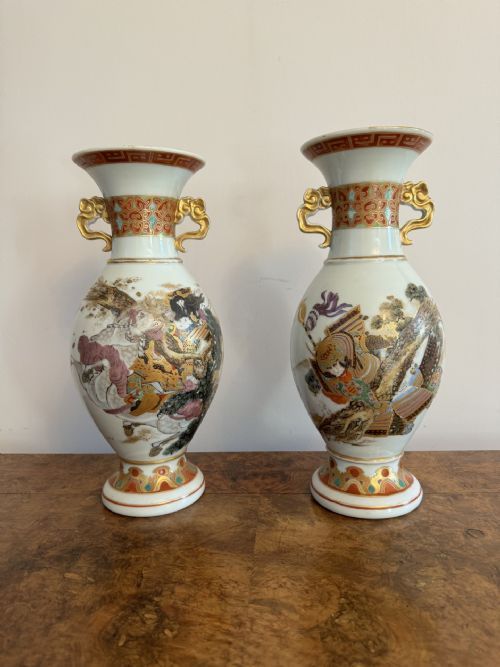
The selection on this page draws heavily from nineteenth-century production, spanning Victorian, Meiji period Japanese, and Chinese export wares. Makers across Europe and Asia utilised these substantial proportions for decorative impact, incorporating handles shaped as lions, scrolls, or simple loops.
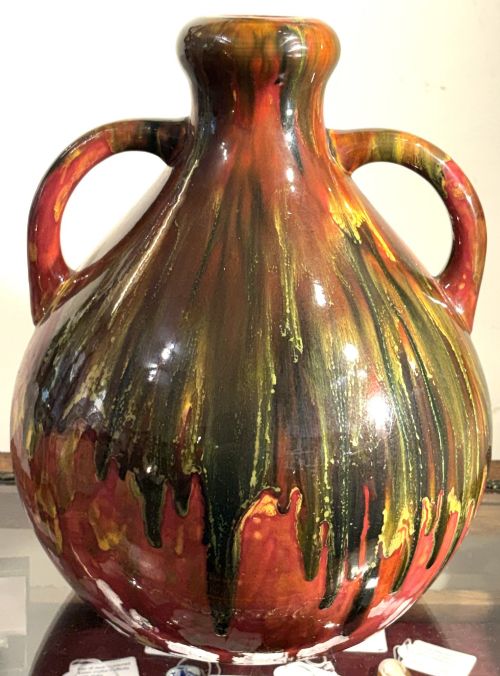
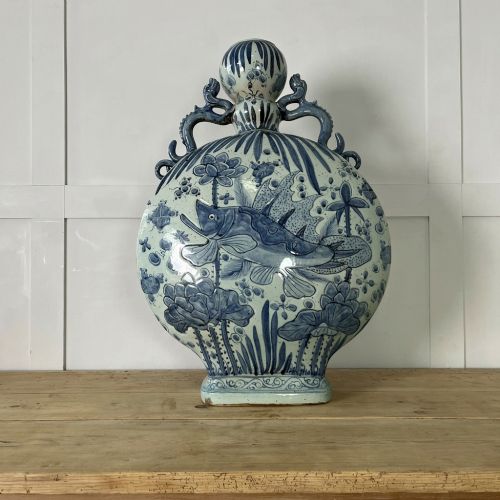
Forms extend beyond traditional flower holders to include moon flasks, amphoras, and grand tour vessels on marble bases. These pieces reflect diverse regional tastes, from English ironstone to Tibetan bronze and French porcelain.
Materials and Making
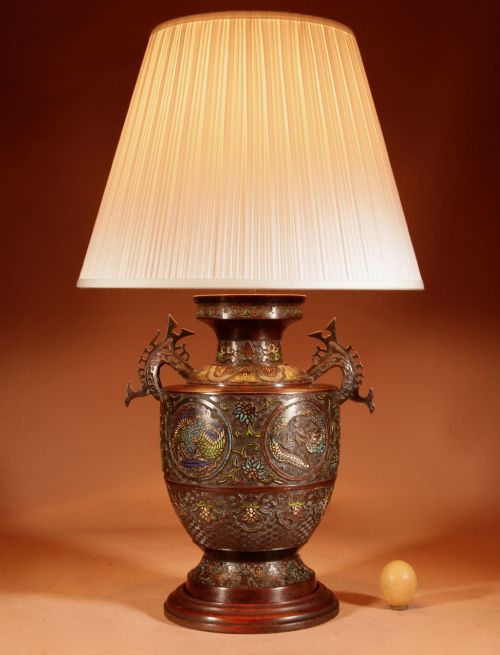
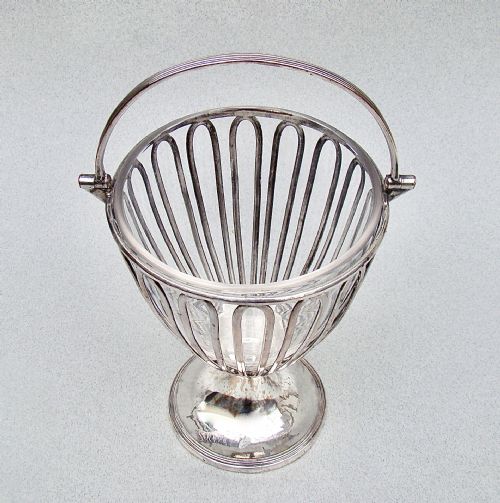
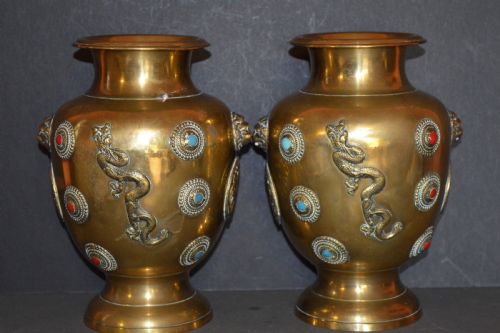
Metals form a major component of these vessels, with bronze cast using traditional methods and finished with patination or intricate cloisonne enamel work. Makers also employed brass, spelter, and old Sheffield plate wirework to build rigid, decorative frames.
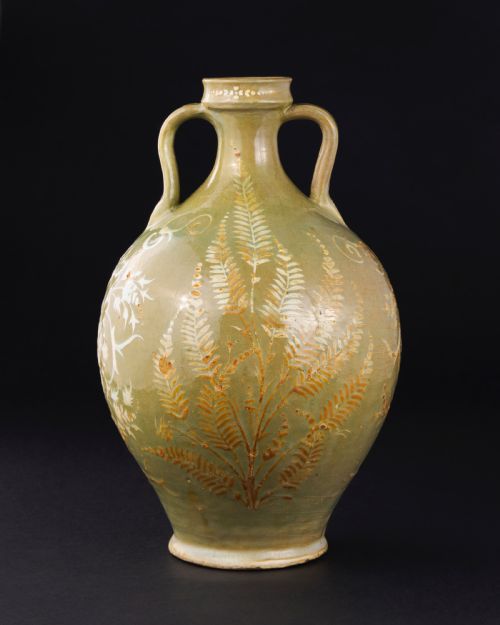
Ceramic pieces rely on porcelain, earthenware, and stoneware, shaped on wheels or in moulds before receiving hand-painted glazes, gold leaf, or gilt accents. Opaque glass and marble provide additional weight and contrast, particularly on bases and ewers.
Large Handled Vases Retail Price Guide 2026
Typical asking prices for large handled vases among the pieces listed under this phrase on Sellingantiques today, from the lower quarter to the upper quarter. They describe what is for sale here now, not the wider market.
Several heavy bronze vases weigh over three kilograms, ensuring they stay firmly anchored during spirited household cleaning.
Judging Quality
Quality rests in the crispness of the casting and the precision of the hand-painted or enamelled detail across the body and handles. Heavy bronze vessels demonstrate superior weight and careful chasing, while porcelain displays finer control in polychrome glazes and gilding.
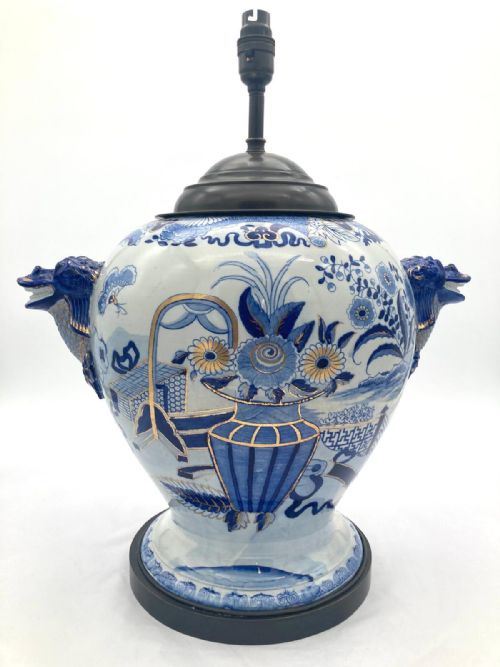
Provenance and original mounts elevate certain examples, such as those paired with fitted stands or converted cleanly into lamps during period use. The integration of handles into the primary body design indicates a higher level of artistic intent.
Burmantofts·Hicks and Meigh·Makuzu Kozan·Brannam·Paul Dachsel
The Large Handled Vases Glossary
- Cloisonne
- A technique where thin metal wires are soldered to a metal body to create cells filled with enamel paste before firing.
- Moriage
- A decorative ceramic technique using clay applied in dots or lines to create raised patterns on the surface.
- Porcelaneous
- A ceramic material sharing qualities of both pottery and true porcelain, offering high density and vitrification.
- Spelter
- An alloy of zinc and other metals cast to imitate bronze, frequently mounted on marble bases.
- Ewer
- A large jug or vase with a wide spout and a substantial handle, often used for display in grand interiors.
- Celadon
- A pale green jade-like glaze originating in East Asia, prized for its subtle colour and crackle patterns.
Large Handled Vases: Frequently Asked Questions
How were large handled vases used originally?
These substantial vessels functioned primarily as decorative focal points in country houses, drawing rooms, and halls during the nineteenth century. Many were displayed on pedestals, tables, or mantelpieces to exhibit wealth and refined taste.
Some examples served practical roles as umbrella stands, wine coolers, or incense burners, while others were later adapted into table lamps as interior lighting evolved.
Where should I place a heavy bronze vase?
Heavy bronze vessels require stable, robust surfaces such as low wooden sideboards, marble-topped console tables, or dedicated floor stands. Their considerable weight demands careful placement away from high-traffic edges.
Pairing them with neutral backgrounds allows the patination and detailed metalwork to stand out without competing with surrounding decor.
How do I distinguish Meiji period Japanese bronzes?
Meiji period Japanese bronzes typically display meticulous surface chasing, rich patination, and intricate applied elements such as dragons or floral motifs. Artists of this era often utilised complex techniques like champleve enamel alongside traditional casting.
Signatures or maker marks cast into the base frequently help identify specific workshops active during this late nineteenth-century period.
Can these vases hold water for fresh flowers?
While many of these vessels were designed to hold water, older ceramics, porous earthenware, and metal vessels with internal joins require caution. Gl hairline cracks or historic repairs can leak when exposed to moisture over time.
Using a discreet inner glass or plastic container protects the antique interior from water damage and mineral deposits.