



Large Grey Urn
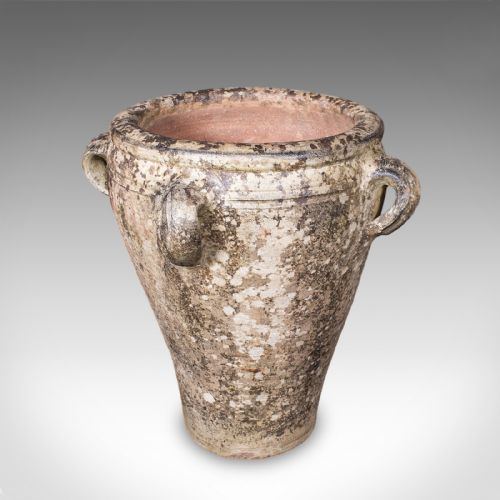
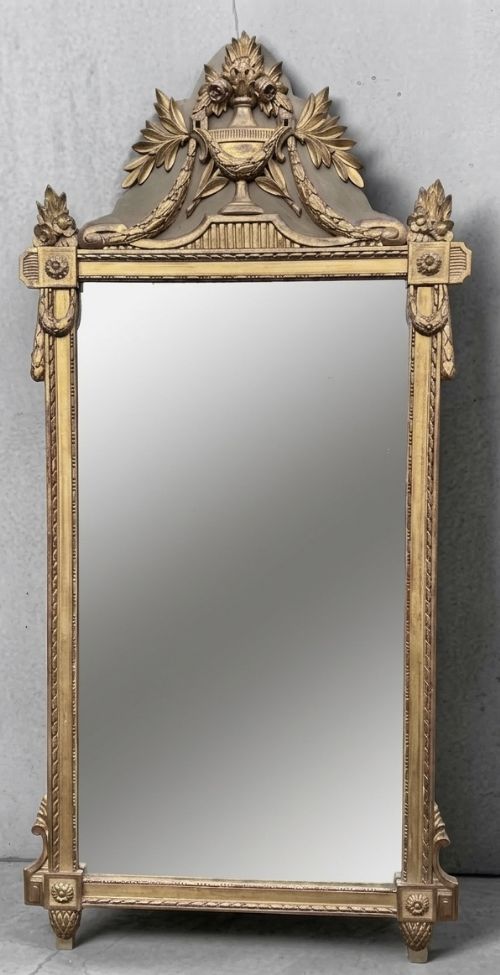
These large grey urn pieces bring architectural weight to a garden or interior, combining substantial stone, metal and earthenware forms from several historic periods.
Large Grey Urn
A large grey urn brings a commanding architectural presence to gardens and interiors, drawing on traditional forms shaped by centuries of design. When searching for a large grey urn, buyers encounter heavy vessels designed for structural impact rather than delicate display.
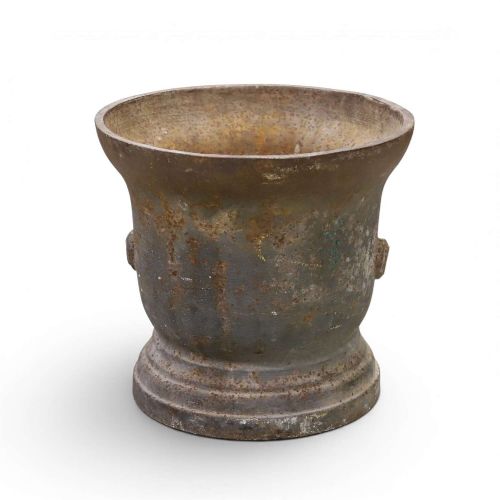
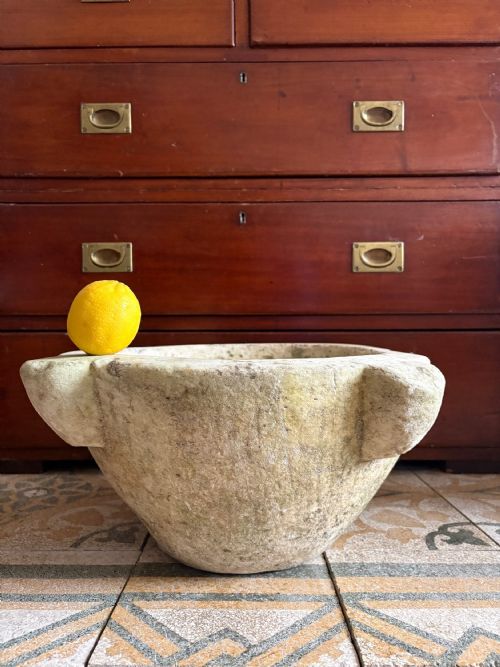
The selections here span centuries of craftsmanship, ranging from eighteenth-century carved stone and lead garden vessels to nineteenth-century cast iron mortars and neoclassical marble tazzas. These objects frequently take the form of campana shapes, weathered garden planters, and substantial apothecary mortars.
Origins stretch across British, French and Italian workshops, utilising durable outdoor materials that weather naturally over generations. Buyers most commonly meet heavy stone planters, cast metal vessels, and carved marble pieces carrying authentic signs of age.
How they were made
Makers shaped these vessels from durable hardstones and metals, employing carving, casting and turning techniques suited to each material. Marble and stone pieces show the marks of hand carving, whilst cast iron, lead and pewter items utilise traditional foundry moulds.
Foundry work in cast iron and lead created thick walls capable of withstanding heavy garden use, often finished with plain or classical relief details. Stone and marble vessels were chiselled from solid blocks, bringing a dense weight and natural grey tone to the finished form.
Large Grey Urn Retail Price Guide 2026
Typical asking prices for large grey urn among the pieces listed under this phrase on Sellingantiques today, from the lower quarter to the upper quarter. They describe what is for sale here now, not the wider market.
Materials span marble, cast stone, cast iron, pewter, lead and terracotta across the eighteenth, nineteenth and early twentieth centuries.
What varies in quality
Quality rests in the crispness of the original carving or casting, the thickness of the material, and the depth of the natural weathering accumulated over time. Superior examples display balanced proportions and confident classical detailing rather than flat, mechanical surfaces.
The choice of medium alters the character of the piece, with hand-carved marble and early cast lead offering distinct textural qualities compared to later reconstituted stone. Surface oxidation, mineral patination and organic weathering deepen the visual appeal of metal and stone alike.
The Large Grey Urn Glossary
- Campana form
- A bell-shaped vessel with a flared rim and a tapering body, commonly seen in classical garden designs. This silhouette provides a stable base and a wide opening for plantings.
- Tazza
- A shallow bowl or vase elevated on a stem and foot, often carved from marble in neoclassical designs. These pieces function as monumental table centrepieces or garden ornaments.
- Mortar
- A heavy bowl used historically for grinding substances in kitchens or apothecary shops, frequently repurposed as a garden planter. Their thick walls and substantial scale suit outdoor placement.
- Jardinier
- A large ornamental pot or stand designed to hold plants or flowers, typically cast in lead or iron during the Regency period. They often feature decorative bands or classical motifs.
Large Grey Urn: Frequently Asked Questions
Where should I place a large grey urn?
These heavy vessels suit prominent structural positions such as garden terraces, entranceways, or large interior hallways where their scale commands attention.
Ensure the ground or flooring can support the considerable weight of stone, marble, or cast metal constructions.
Can these urns stay outside all winter?
Most stone, cast iron, lead and reconstituted materials tolerate outdoor conditions well, acquiring deeper weathering over successive seasons.
Marble and certain porous stones benefit from protection during severe frost to prevent cracking from trapped moisture.
How do I date a stone or metal urn?
Dating relies on tool marks, material composition, stylistic details such as neoclassical or Regency motifs, and the natural patina accumulated over decades.
Earlier pieces often display hand-chiselled surfaces or sand-cast textures distinct from twentieth-century manufacturing methods.
What is the difference between an urn and a planter?
Urns typically feature a raised foot, a distinct stem or body, and classical proportions derived from ancient funeral or decorative vessels.
Planters often have straighter sides or simpler bowl forms prioritising planting capacity over classical architectural silhouette.