
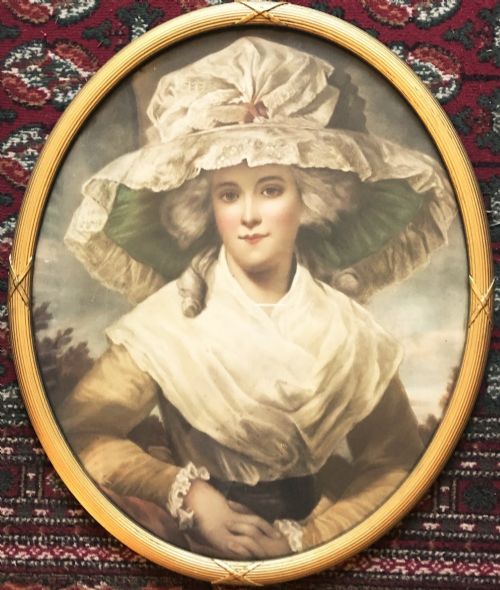

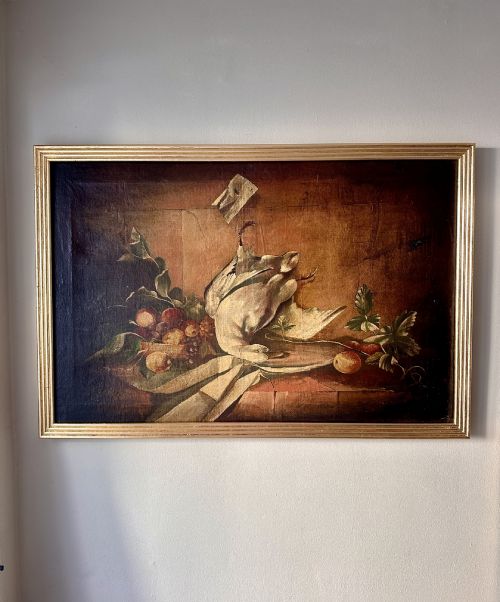
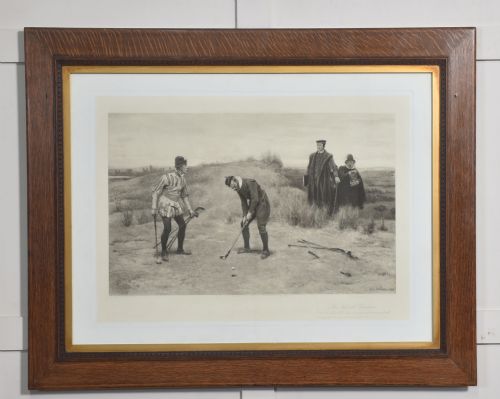
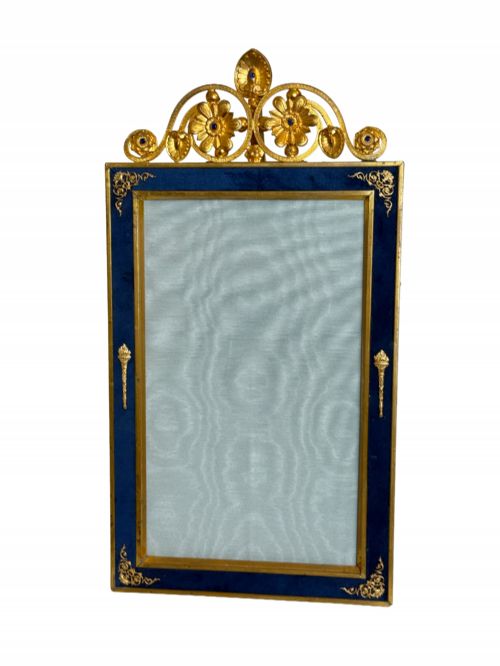
Large Gilt Framed Picture
A large gilt framed picture brings warmth and scale to a room, drawing the eye instantly with its rich metallic finish.
Large Gilt Framed Picture
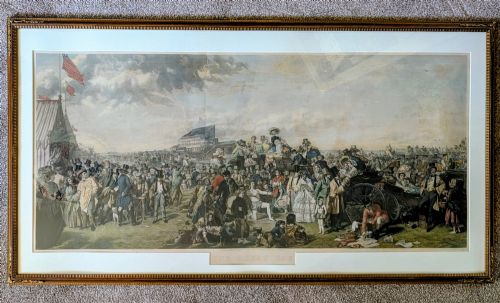
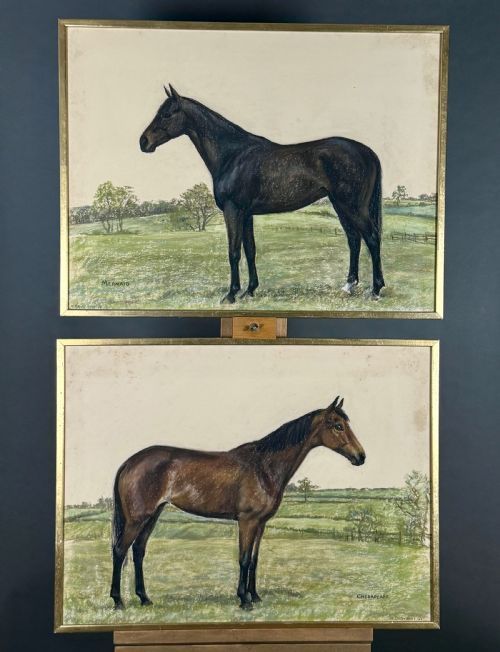
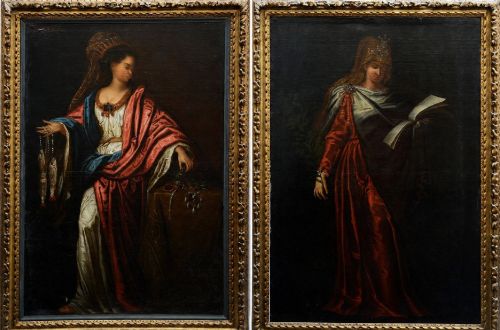
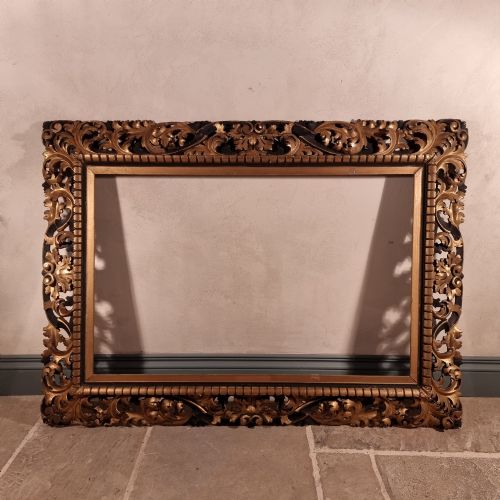
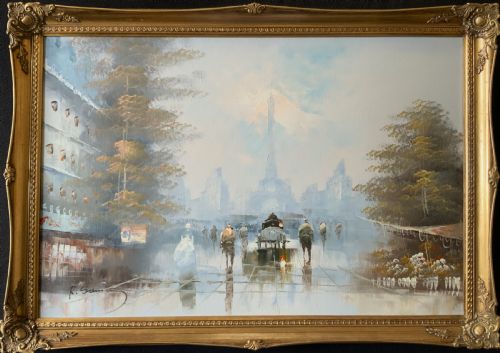
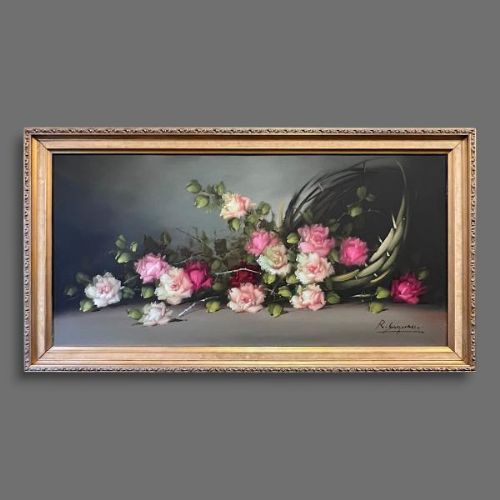
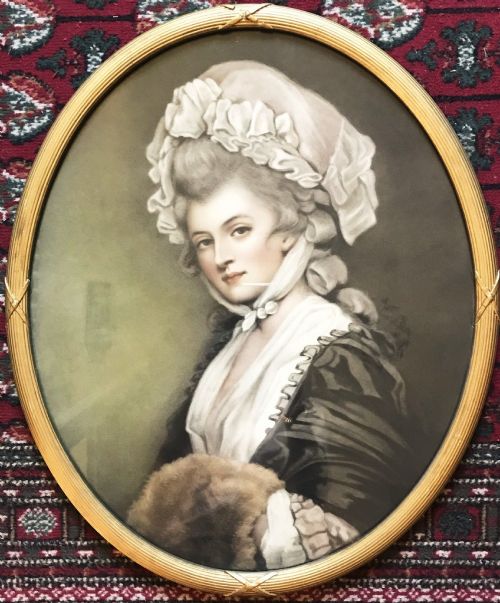
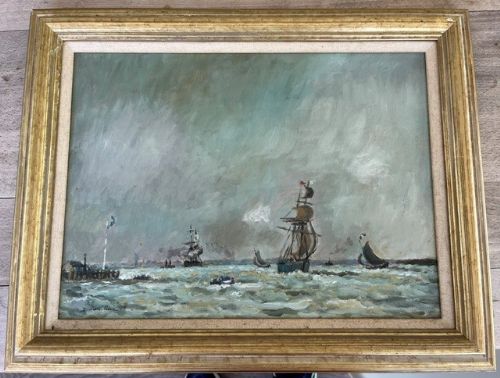
A large gilt framed picture encompasses expansive oil paintings, watercolours, and detailed prints housed within substantial metallic surrounds. These pieces function as dramatic focal points, filling wall space with historic character and artistic depth.
Buyers will encounter a variety of forms on this page, ranging from nineteenth-century continental landscapes and Victorian maritime scenes to mid-century impressionist cityscapes. Many items pair original canvases with ornate period mouldings, while others feature decorative mirrors and prints.
The selection spans multiple eras, capturing the craftsmanship of the eighteenth, nineteenth, and twentieth centuries. Each item reflects the aesthetic preferences of its period, from neoclassical symmetry to elaborate rococo revival curves.
How they were made
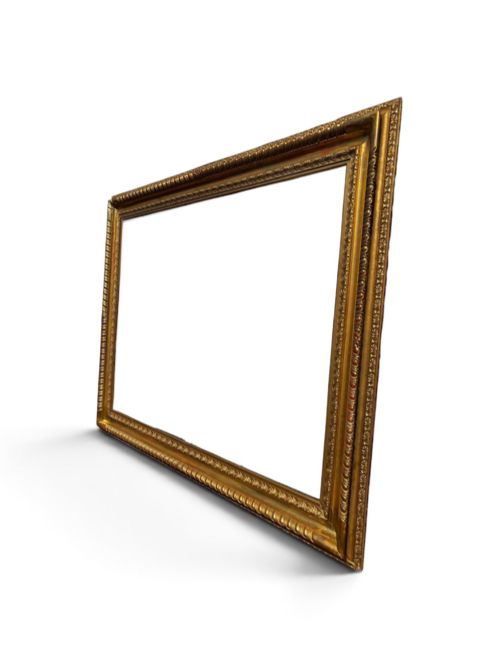
Makers constructed the framing elements using timber substrates built up with layers of gesso to create high-relief ornamentation. Artisans then applied thin sheets of gold leaf or gilt finishes over the prepared surfaces, burnishing the metal to achieve a luminous sheen.
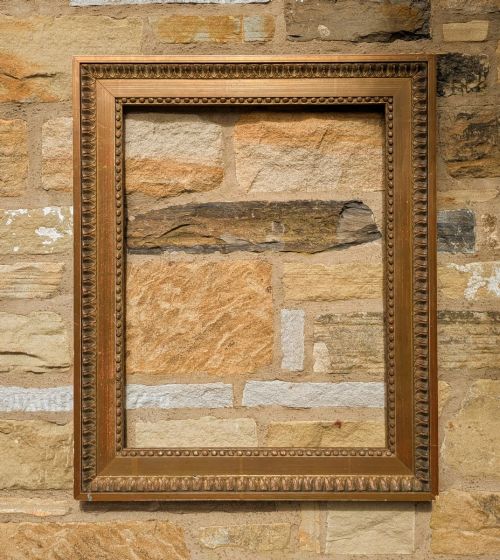
Canvas works utilised traditional oil paints or pastels fixed to paper, board, and stretched fabric supports. Frame corners frequently incorporated carved wooden joints or moulded plaster details finished in egg and dart patterns or swept motifs.
The inventory includes pastoral landscapes, equestrian studies, and portraits originating from French, British, and Belgian schools.
What varies in quality
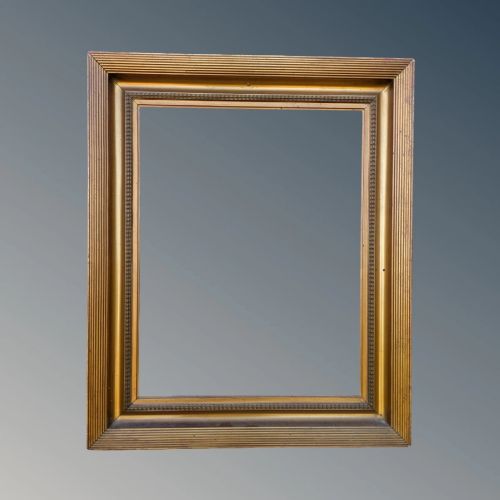
The standard of carving and the depth of the gesso relief define the upper tier of frames. Crisp moulding profiles and hand-applied gilding separate superior workshop output from simpler, mass-produced alternatives.
Artistic execution on the canvas dictates the value of the artwork itself, where confident brushwork, balanced composition, and the retention of the original stretcher or frame elevate the piece.
William Powell Frith·Erich Mercker·Joseph Knight·Thomas Sidney Cooper·David Cox Jnr·Amile Coppieters
The Large Gilt Framed Picture Glossary
- Gesso
- A plaster-like mixture applied to wood frames to create a smooth surface for gilding. It allows craftsmen to carve intricate decorative details directly onto the moulding.
- Giltwood
- Timber that has been coated with gold leaf or a gold-coloured metallic finish. This material provides the bright, reflective quality characteristic of period frames.
- Swept frame
- A frame design featuring undulating, curved outer edges and elaborate corner cartouches. This style is frequently associated with Rococo and Victorian decorative arts.
- Overmantle
- A large mirror or picture specifically designed to hang above a fireplace mantelpiece. These pieces often span considerable widths to anchor the hearth area.
Large Gilt Framed Picture: Frequently Asked Questions
How do I hang a heavy framed picture safely?
Heavy frames require sturdy wall anchors and fixings rated to bear substantial weight, ideally fastened directly into wooden wall studs or masonry.
Professional hanging wire or heavy-duty D-rings secured to the wooden frame backing ensure the piece remains stable and secure against the wall surface.
How do I clean a gilt frame without damaging the finish?
Dust the ornate mouldings gently using a soft, dry brush or an ostrich feather duster to remove surface particles without disturbing the metallic leaf.
Avoid using water, chemical solvents, or commercial polishes, as moisture and harsh agents strip away historic gilding and soften the underlying gesso.
How can I tell an original period frame from a later reproduction?
Examine the timber at the reverse and corners for signs of age, such as hand-cut joinery, oxidized fixings, and shrinkage cracks in the gesso layers.
Period frames often display subtle irregularities in the hand-carved ornamentation that machine-made replicas cannot replicate.
Where should I place a large framed picture in a room?
Position the piece at eye level on a primary wall to create a natural focal point, or mount it above major furniture items like a sofa or sideboard.
Ensure the wall receives indirect natural light rather than harsh direct sunlight, which can fade canvas pigments and discolour older varnishes over time.