


Large Garden Sculptures
Large garden sculptures anchor outdoor spaces through scale and presence, bringing classical figures, animals and architectural finials to lawns and terraces.
Large Garden Sculptures
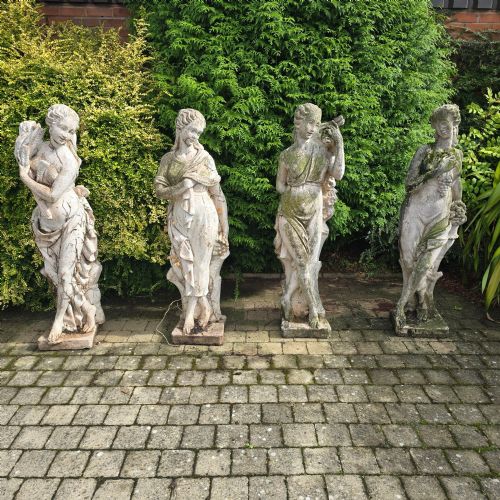
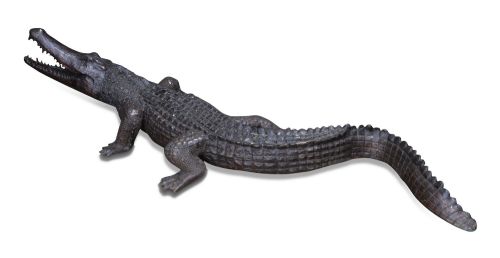
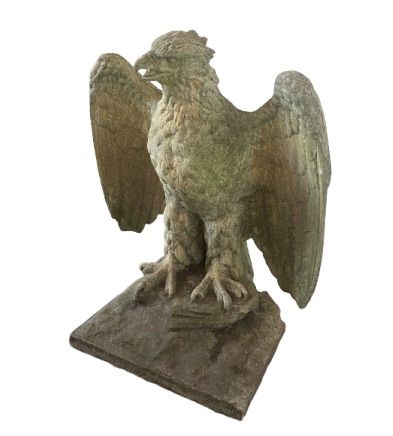
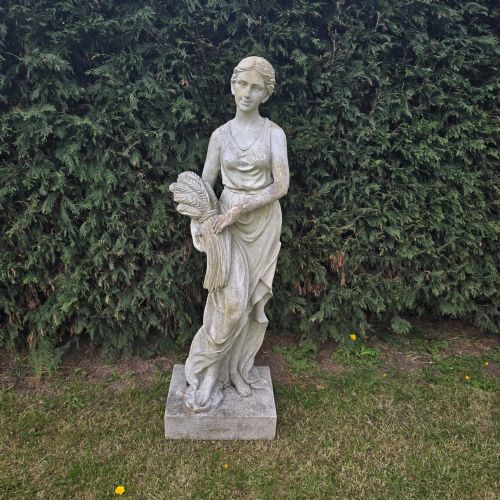
Large garden sculptures comprise substantial figures, animals and architectural ornaments designed to stand in open-air settings. When searching for large garden sculptures, buyers encounter pieces ranging from monumental stone lions and eagles to bronze crocodiles, cranes and classical female figures.
The selection on this page draws from the nineteenth and twentieth centuries, including Edwardian compositions and items from the eighteen-fifties, nineteen-twenties and nineteen-fifties. Forms vary from traditional garden statues and garden statuary to pier finials, anchors, garden urns, and temple vases.
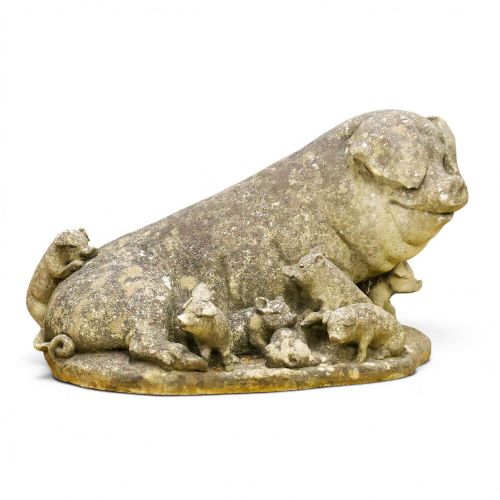
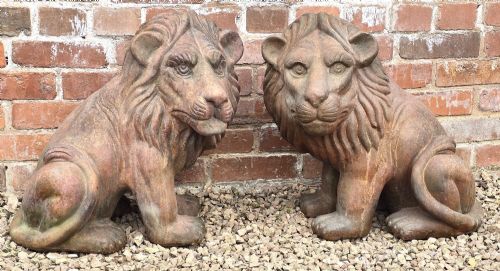
Stylistically, pieces reflect neoclassical, classical revival, Italianate, realist and Meiji period traditions. Buyers frequently meet paired terracotta lions, cast stone animals, and stone figures mounted on pedestals or plinths.
Factors of Quality
Scale and proportion dictate visual impact, particularly in monumental pairs of lions or eagles where balance between the subject and its plinth matters. The permanence of the medium, whether dense cast stone or heavy bronze, determines how well the sculpture withstands weather.
Listings feature items from the eighteenth, nineteenth and twentieth centuries, spanning periods from eighteen-fifty to nineteen-fifty.
Henri Jaquesmart·Hurlford Kilmarnock
The Large Garden Sculptures Glossary
- Pier finial
- An architectural ornament placed on top of a gate pier or wall end. Eagles and crowns frequently serve this function.
- Reconstituted stone
- A manufactured material made from crushed stone and a binder, moulded into architectural ornaments and statues. It provides the look of natural stone at a large scale.
- Okimono
- A Japanese decorative object designed for display, including large bronze figures of animals and bridges. They reflect Meiji period craftsmanship.
- Salt-glazed pottery
- Stoneware fired with salt introduced into the kiln, producing a durable, vitrified surface with an orange-peel texture. It protects garden figures from frost.
- Terracotta
- Fired clay used for sculptural figures and garden lions. The porous material acquires a weathered patina outdoors.
Large Garden Sculptures: Frequently Asked Questions
How do I place large garden sculptures?
Position heavier stone and terracotta pieces on level ground, stone plinths or pedestals to prevent sinking into soil and to protect the base from moisture.
Pair matching figures such as lions or cranes symmetrically at entrances, gate piers or the ends of garden paths to create a formal focal point.
What materials endure winter weather outdoors?
Bronze, cast iron, reconstituted stone, composite stone and salt-glazed pottery withstand frost and rain effectively. Salt-glazed pottery and dense stones resist moisture penetration during freezing temperatures.
Plaster and softer compositions require sheltered spots like conservatories or covered terraces to prevent surface degradation.
How do I distinguish terracotta from cast stone?
Terracotta exhibits a warm reddish-brown earthenware body, often showing the seams or hand-tool marks of its sculpted origin. It sounds resonant when tapped gently.
Cast stone has a granular, grey or buff mineral texture resembling natural stone, formed by pouring aggregate into a mould.
How do bronze garden sculptures age?
Bronze develops a natural protective oxidation layer, known as patination, when exposed to atmospheric elements. This process shifts surface tones towards deeper browns or greens depending on the alloy.
Regular washing with clean water removes airborne dirt without disturbing the stable patina.