


Large French Glazed Cabinet
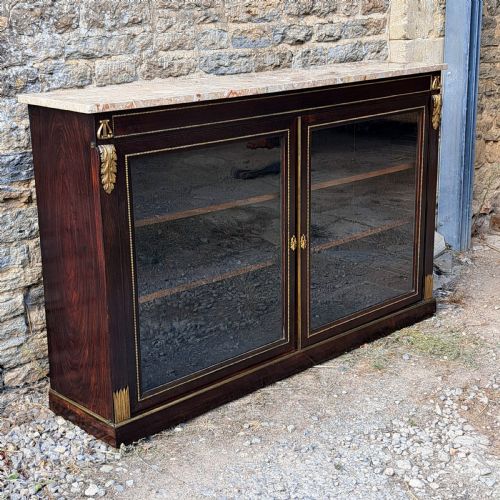
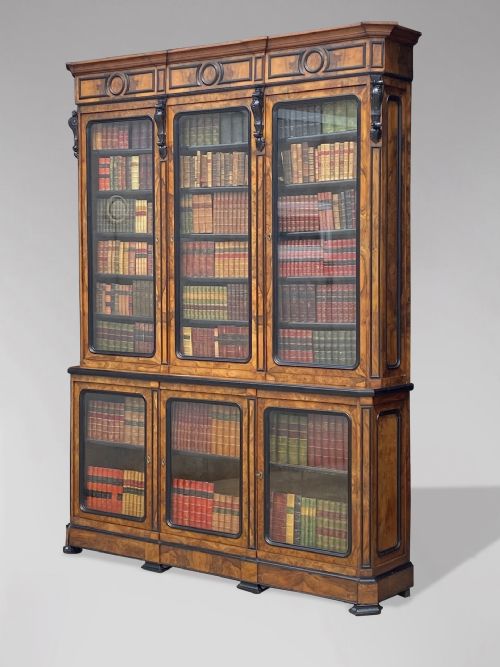
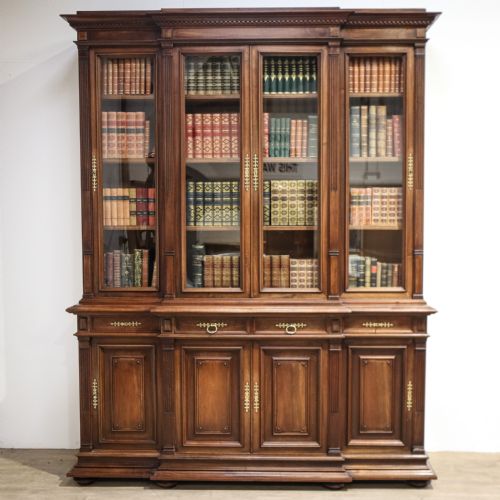
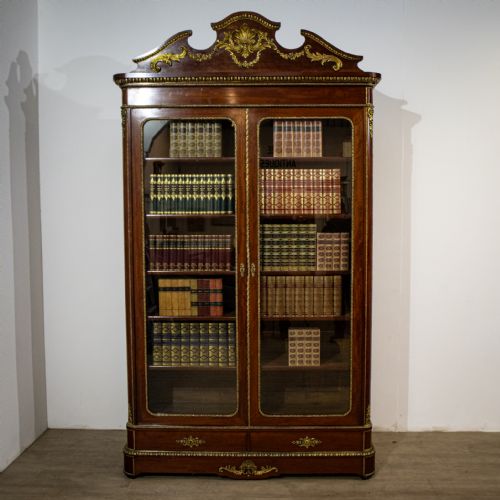
A large french glazed cabinet brings architectural presence and visible storage to a room, uniting timber structure with expansive glass.
Large French Glazed Cabinet
A large french glazed cabinet encompasses substantial display pieces designed to house books, ceramics, and prized collections behind glass doors. You will frequently encounter nineteenth-century walnut, mahogany, and kingwood examples originating from various French regional and metropolitan workshops.
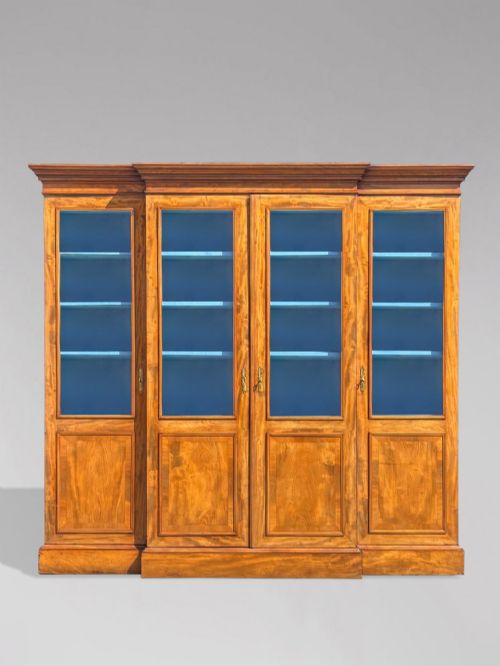
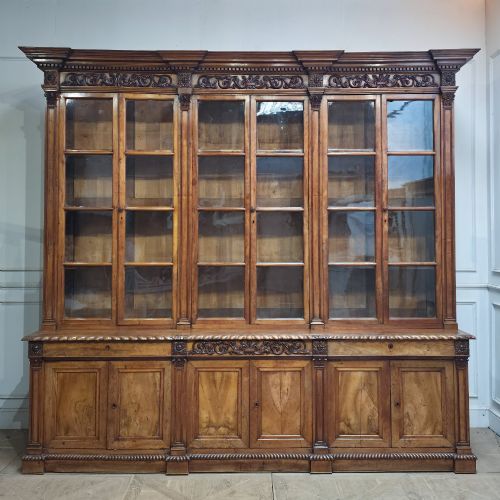
The forms on this page range from library bookcases and credenzas to vitrines and kitchen dressers. These tall and wide items utilise transparent panes to protect contents from dust while keeping them entirely visible.
Distinguishing quality across pieces
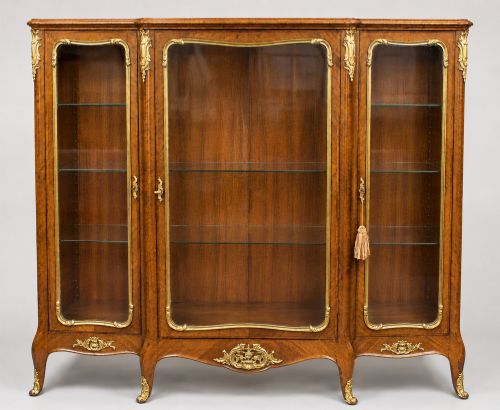
Superior examples demonstrate meticulous timber selection, such as figured plum pudding mahogany or matched kingwood veneers, paired with finely chased ormolu mounts. The precision of the joinery on serpentine or bombe forms dictates the overall structural integrity.
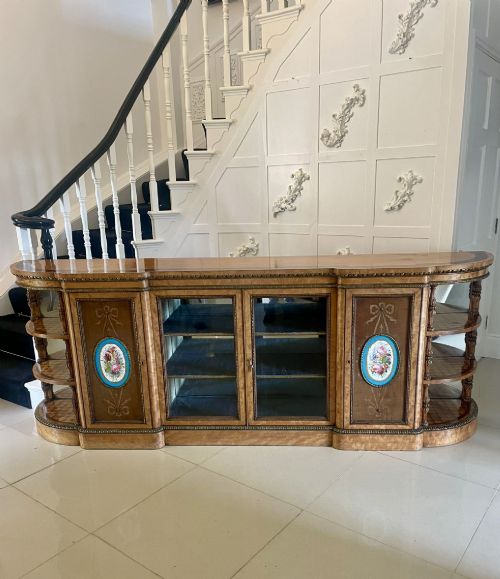
Exhibition quality pieces integrate hand-painted panels or elaborate marquetry alongside heavy cast bronze or ormolu embellishments, whereas simpler country pieces rely on straightforward timber construction and glazed frames.
Some nineteenth-century makers concealed extra shelf space behind mirrored backs to make small porcelain collections appear twice as abundant.
Linke
The Large French Glazed Cabinet Glossary
- Vitrine
- A glass-fronted display cabinet intended for showing porcelain, silver, and curiosities. These pieces often feature glass sides to maximise light penetration.
- Ormolu
- Gilt bronze mounts applied to furniture for decorative effect. The metal is cast and chased before receiving a gold amalgamation layer.
- Marquetry
- Inlays of different woods forming decorative patterns on the cabinet surface. Craftsmen cut veneers precisely to fit geometric or floral designs.
- Credenza
- A low cabinet, frequently fitted with glass doors or central shelving. This form often incorporates porcelain plaques and ormolu mounts.
- Vernis Martin
- A type of simulated Japanese lacquer developed in France. The technique involves applying multiple coats of varnish to decorative painted panels.
Large French Glazed Cabinet: Frequently Asked Questions
Where were these large cabinets placed?
These tall and wide pieces stood in principal reception rooms, libraries, and formal drawing rooms of grand houses. They functioned as primary storage for valuable book collections and decorative objects.
In domestic settings, they anchored large wall spaces and provided a secure enclosure for delicate porcelain and glassware.
How do I clean the glass doors?
Use a soft lint-free cloth alongside a mild, non-ammonia glass cleaner applied to the cloth rather than directly onto the glass. This prevents moisture seeping into antique timber frames or damaging surrounding ormolu mounts.
Take care around aged putty or glazing bars, which require gentle treatment to maintain their structural stability.
Can the internal shelves be adjusted?
Many nineteenth-century bookcases and cabinets feature fixed wooden shelving integral to the internal carcass structure. Some larger library pieces incorporate notched wooden strips allowing shelf height modification.
Check the internal construction of each specific cabinet before planning the storage of oversized volumes or tall ceramic pieces.
How are different French styles distinguished?
Louis XVI style pieces display neoclassical restraint with straight tapered legs and symmetrical mounts, whereas Louis Philippe and Regency items favour cleaner architectural lines. Louis XV style and Rococo revival cabinets introduce curved serpentine or bombe outlines.
Empire style works utilise ebonised wood and classical brass mounts to project formal nineteenth-century dignity.