



Large French Buffet
A large french buffet brings robust storage and commanding presence to a room, spanning rustic provincial charm to grand neoclassical design.
Large French Buffet
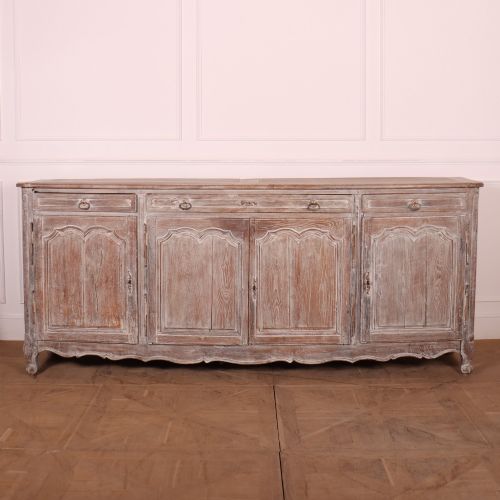
When you search for a large french buffet, you examine substantial storage furniture originating from continental workshops across several centuries. These pieces function as heavy serving surfaces and enclosed cupboards for dining rooms and large living spaces.
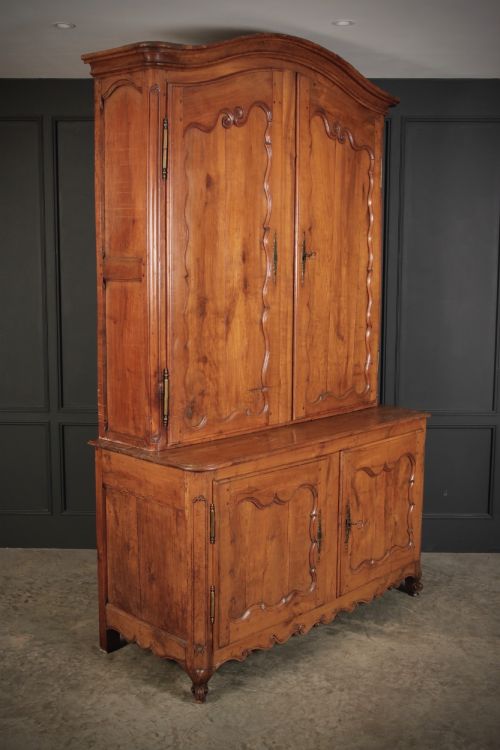
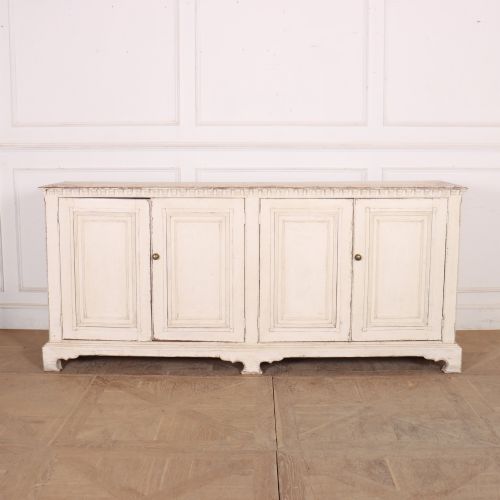
The versions you meet most frequently on this page belong to the nineteenth century, executed primarily in oak and walnut. They appear as sideboards, enfilades, and dual-section cupboard units carrying carved details.
Regional variations span from simple provincial forms to elaborate neoclassical or rococo revival expressions. Each type provides deep interior shelving and wide top boards designed for heavy domestic use.
How they were made
Cabinetmakers constructed these pieces using solid timbers such as oak, walnut, cherrywood, and chestnut, often applying marquetry veneers over secondary woods. Panels were joined using traditional framing techniques to accommodate seasonal wood movement.
Decorative enrichment relied on hand carving directly into the structural wood, supplemented by cast brass and ormolu mounts. Surfaces received hand-applied finishes including polish, wax, or paint to seal the timber.
Large French Buffet Retail Price Guide 2026
Typical asking prices for large french buffet among the pieces listed under this phrase on Sellingantiques today, from the lower quarter to the upper quarter. They describe what is for sale here now, not the wider market.
Listings for this phrase include oak, walnut, and cherrywood furniture spanning the eighteenth and nineteenth centuries.
What varies in quality
The distinction between standard utility pieces and finer examples rests on the crispness of the hand carving and the selection of timber figures. Superior cabinets display deeply undercut foliage and balanced grain patterns across the primary doors.
Hardware quality marks another clear tier, where heavy cast ormolu mounts and original working locks elevate the piece above those fitted with plain iron hinges or replacement fixtures.
The Large French Buffet Glossary
- Enfilade
- A long sideboard or credenza with multiple inline doors, traditionally used for serving food in grand dining rooms. This form stretches horizontally along a wall.
- Ormolu
- Gilt bronze mounts applied to furniture for decorative contrast against dark woods such as walnut. This technique creates metallic highlights across the cabinet facade.
- Marquetry
- Inlays of different coloured woods arranged to form geometric or floral patterns on flat surfaces. Artisans cut thin veneers to assemble these pictorial designs.
- Buffet de Corps
- A large two-section cupboard featuring an upper display or storage tier resting upon a deeper base unit. This imposing form provides maximum vertical storage.
Large French Buffet: Frequently Asked Questions
What is a large french buffet used for?
These substantial cabinets served historically for storing dining linen, heavy tableware, and serving platters during large meals. Today they function as primary storage credenzas and display surfaces in spacious dining rooms or hallways.
Their deep interior shelves accommodate bulky items while the wide top surface holds lamps, decorative vessels, or serving trays.
How do I tell an 18th century piece from a 19th century one?
Eighteenth-century examples typically display hand-cut joinery, pegged timber frames, and simpler regional timbers like cherrywood with deep patination. Nineteenth-century versions often incorporate revived historical styles like Louis XV or Renaissance motifs alongside machine-sawn elements.
Close examination of the interior construction reveals the tool marks and fastening methods characteristic of each specific period workshop.
Are these buffets difficult to place in a modern home?
Their considerable scale requires careful measurement of wall space and clearance for swinging doors before purchase. They demand sturdy structural flooring to support their heavy solid wood and marble construction.
Once positioned, they anchor a room effectively and absorb vast amounts of household storage.
What woods were used in these cabinets?
Oak and walnut dominate the surviving record, prized for their structural strength and rich grain patterns. Regional makers also utilised chestnut, cherrywood, and pine for provincial carcases and interior linings.
Marquetry panels frequently combined exotic fruitwoods to achieve contrasting tonal details across the primary facade.