
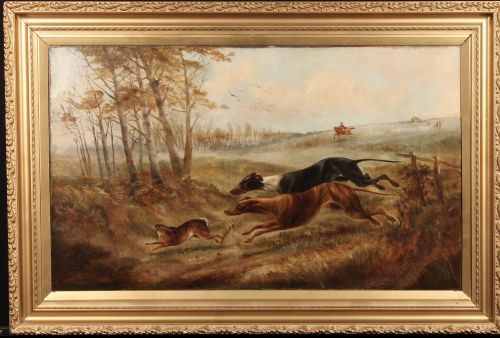
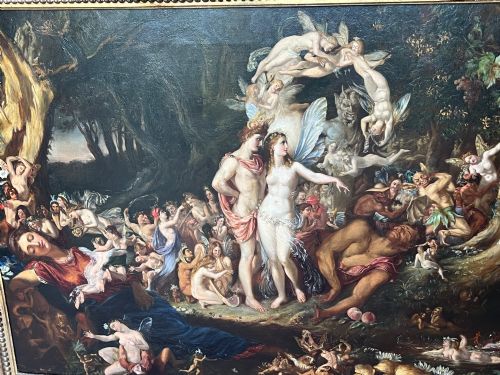
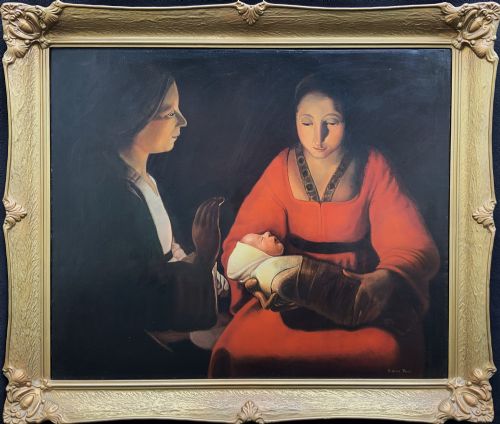
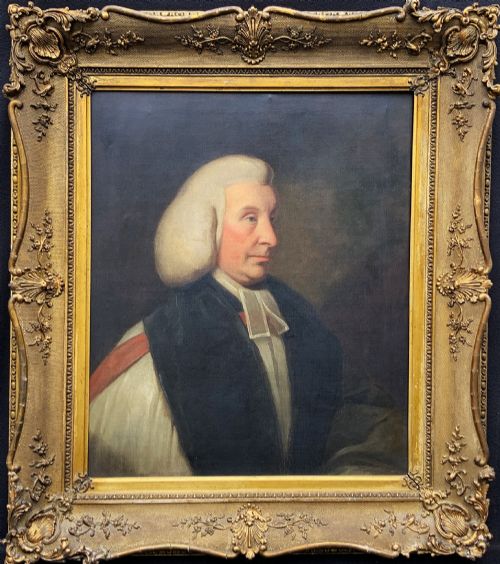
Large Framed Oil
When you search for large framed oil, you are looking at substantial canvas paintings and mirror combinations housed in historical surrounds.
Large Framed Oil
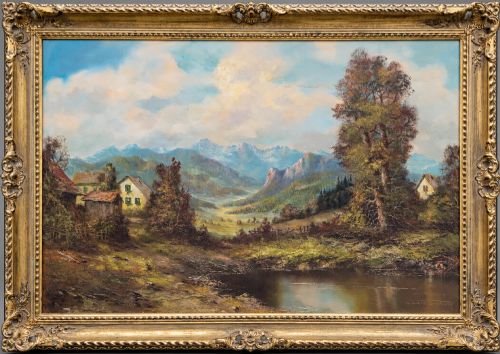
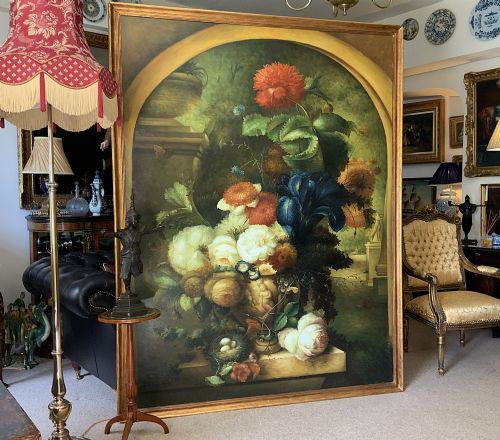
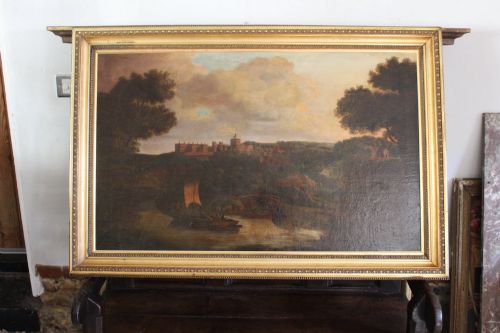
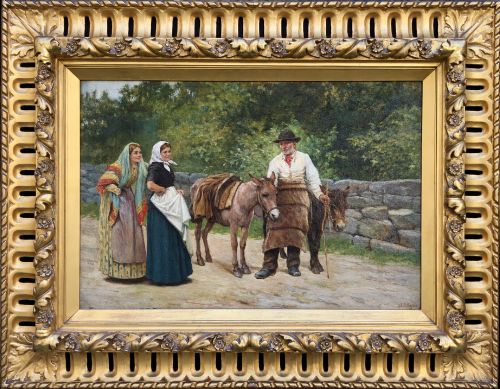
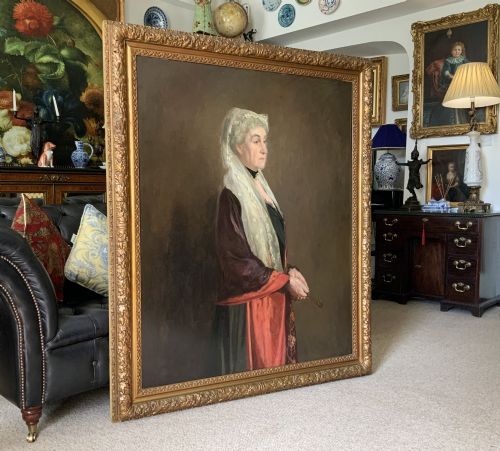
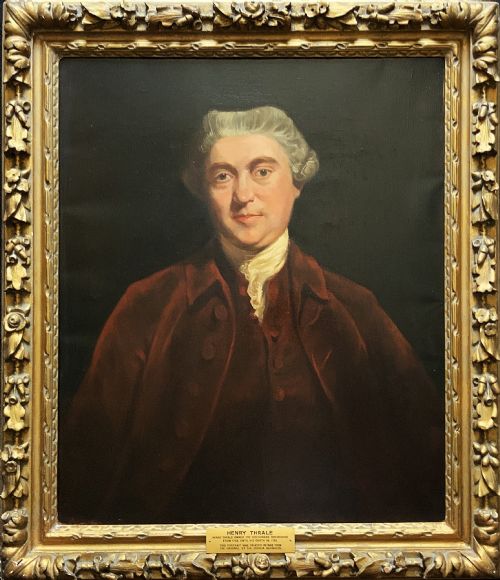
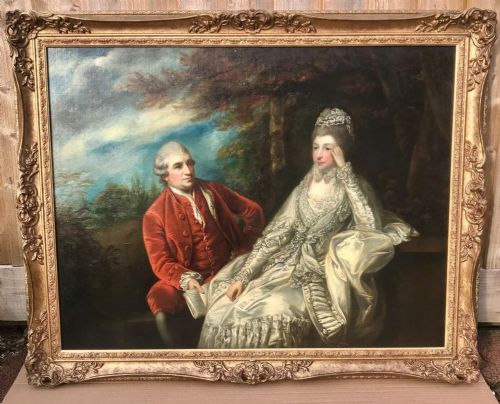
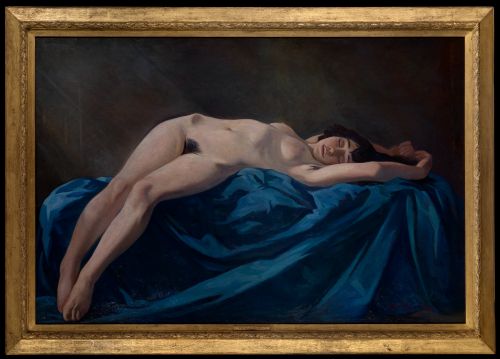
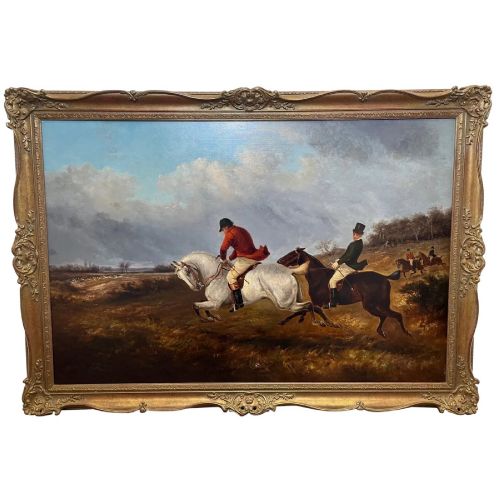
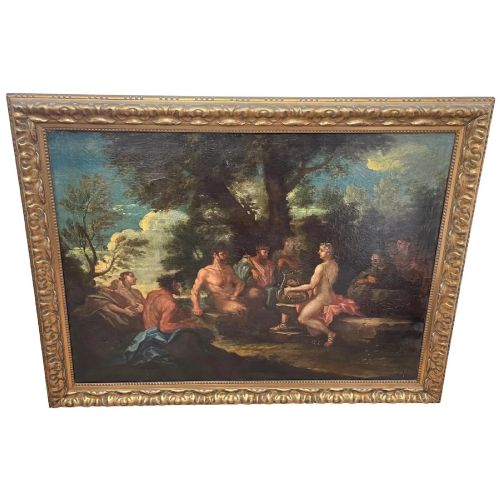
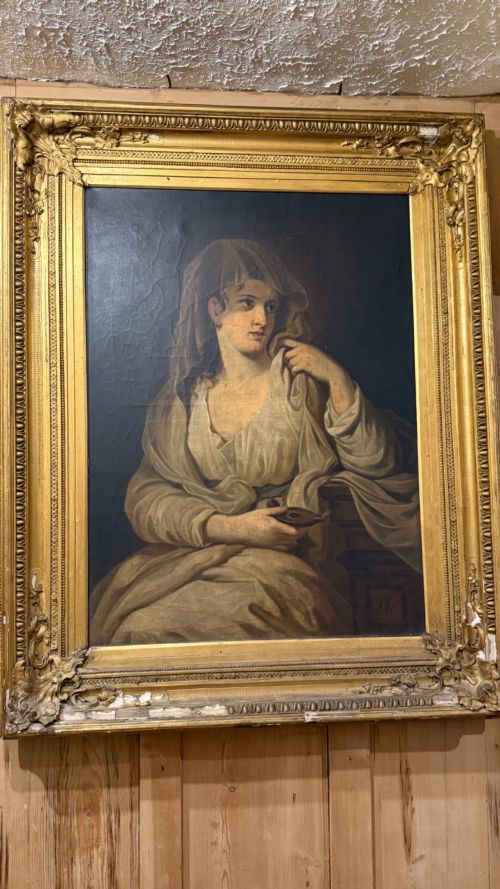
A large framed oil piece brings substantial scale to an interior, frequently taking the form of portraits, landscapes, or still life subjects. These works span centuries of production, appearing in eighteenth-century, Victorian, and mid-century formats.
Buyers encounter subjects ranging from pastoral scenes and Dutch floral arrangements to military portraits and architectural views. Many examples utilise heavy timber and gilded surrounds to complete the visual weight of the canvas.
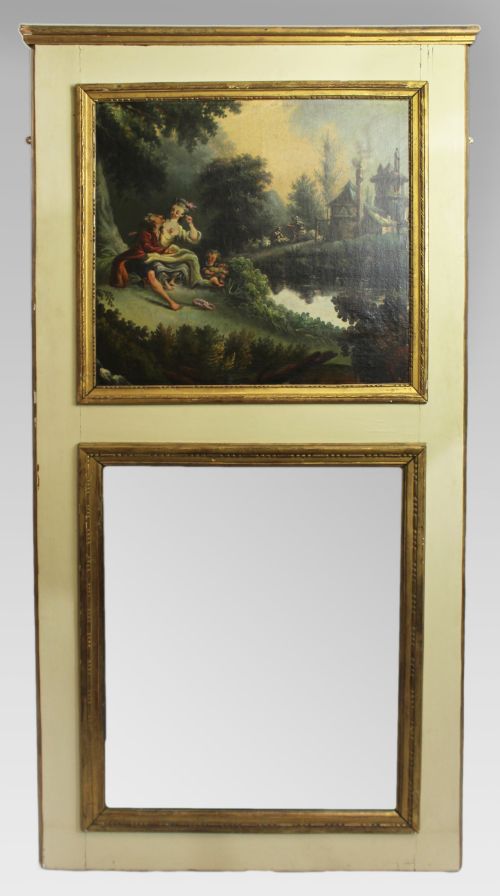
The category encompasses both original hand-painted works on canvas and specialised wall decor such as French trumeau mirrors incorporating oil paintings. Period pieces reflect the artistic movements of their respective eras, from Neoclassical portraiture to impressionism.
Materials and construction methods
The structural foundation relies on stretched canvas secured to wooden frames, upon which artists applied oil paint layers. Giltwood and gesso were extensively utilised to construct ornate surrounds that complemented the scale of the artwork.
Surrounds frequently combined carved wood with applied composition ornament, finished in gold leaf or metallic paint. Some mid-century variations incorporate painted surfaces on board or vinyl canvas.
Several portraits document stern ancestors wearing elaborate bonnets and military uniforms who appear to monitor household activities.
Distinctions in craftsmanship and preservation
Quality in a large framed oil is defined by the dexterity of the brushwork and the structural integrity of both the canvas and its surround. Finer examples display confident pigment application and period-correct joinery in the timber framing.
The relationship between the artwork and its housing influences the overall standard, as original or period-matched surrounds preserve the historical context better than later replacements. Conservation history also dictates value, with undisturbed painted surfaces ranking higher than heavily restored passages.
Richard Sebastian Bond·Felix Stone Moscheles·Georges de La Tour·Cornelis Van Der Voort·Sir Joshua Reynolds·Eric Robertson·Thomas Smythe·W.R. Waters·Konstantin Stoitzner·John Opie·Harold Knight·Erich Mercker·Robert Cleminson
The Large Framed Oil Glossary
- Gesso
- A plaster-like mixture applied to wood before gilding or painting to create a smooth surface for ornamentation. This material forms the raised decorative details found on many antique surrounds.
- Trumeau
- A decorative architectural mirror featuring an oil painting set into the upper section above the glass plate. These items originated in eighteenth-century France and combine two interior elements into one piece.
- Provenance
- The documented history of ownership or exhibition for an artwork. Tracing this lineage establishes the authenticity and past location of a painting.
- Impressionism
- An artistic style characterised by relatively small, thin yet visible brush strokes and open composition. Works in this manner prioritise accurate depiction of light in its changing qualities.
- Canvas
- Heavy woven fabric used as a surface for oil painting. It is typically stretched tightly across a wooden stretcher frame before work begins.
Large Framed Oil: Frequently Asked Questions
How do I hang a heavy oil painting safely?
Heavy canvas works require secure fixings anchored directly into wall studs or masonry using rated picture hooks. The weight of the timber and gesso surround demands robust hardware to distribute the load evenly.
Position the centre of the canvas at eye level to ensure proper visual balance within the room. Ensure the hanging wire or brackets on the reverse are original or reinforced to support the mass.
How do I clean an old oil painting?
Surface dust can be removed gently using a soft, dry artist brush or microfiber cloth without applying pressure. Avoid using water, household cleaners, or chemical solvents on the pigment layer.
Professional conservators should handle deeper cleaning, such as removing darkened varnish or nicotine staining. Improper cleaning methods can strip away original glazes and damage the canvas substrate.
How do I date an antique frame?
Dating relies on examining the construction techniques of the wooden corners, the composition of the gesso, and the type of gilding applied. Hand-cut mitres and oxidized metallic leaf indicate earlier manufacture periods.
Subsequent framing often reflects the interior fashion of later decades, meaning a canvas may have an updated surround. Look for tool marks and material consistency on the reverse to determine if the combination is original.
Where should I place a large painting at home?
Large works anchor a room effectively when hung above significant furniture pieces such as a fireplace mantel, sideboard, or sofa. This placement grounds the visual weight of the artwork within the domestic space.
Keep the piece away from direct sunlight and high moisture areas like kitchens or unventilated bathrooms. Stable room temperatures protect both the wooden stretchers and the oil paint layer from warping.