
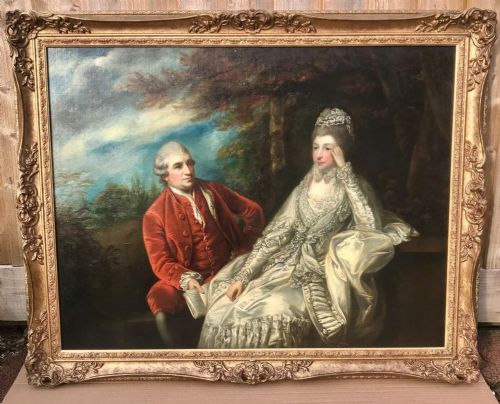
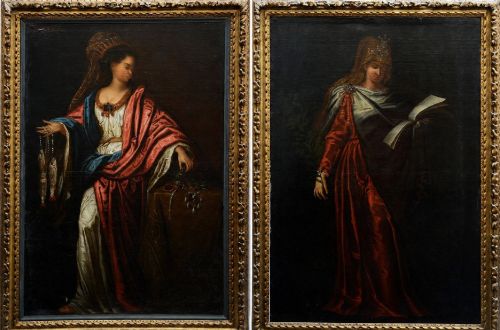
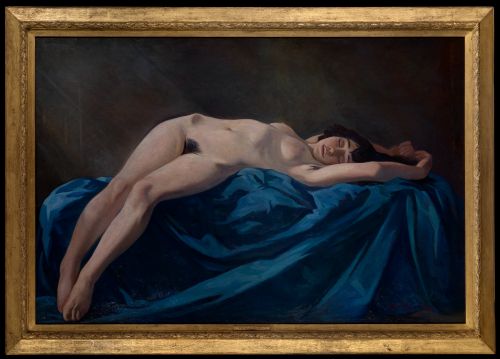
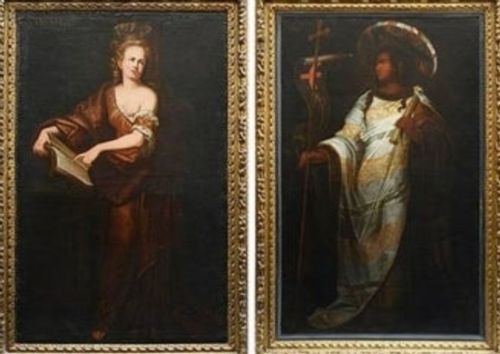
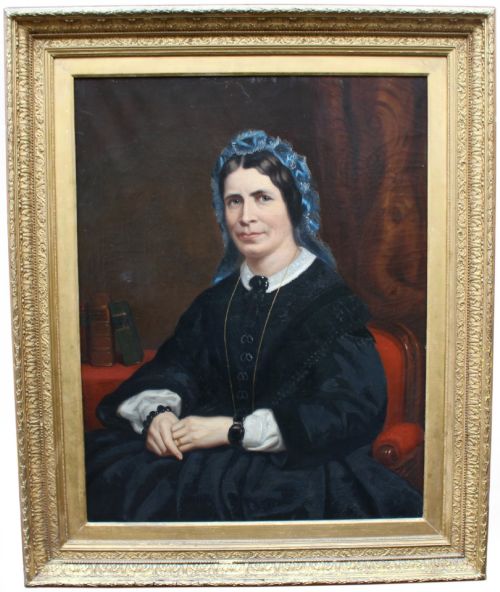
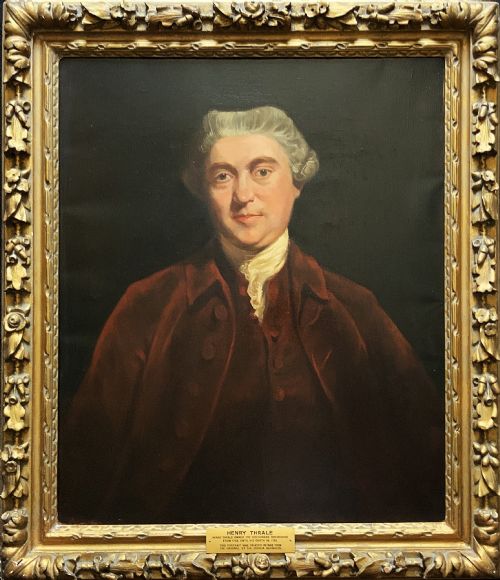
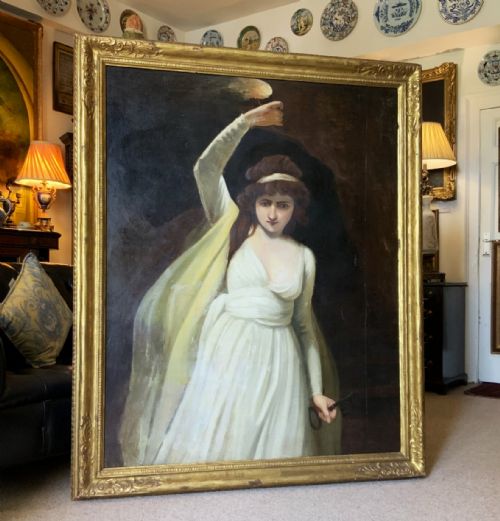
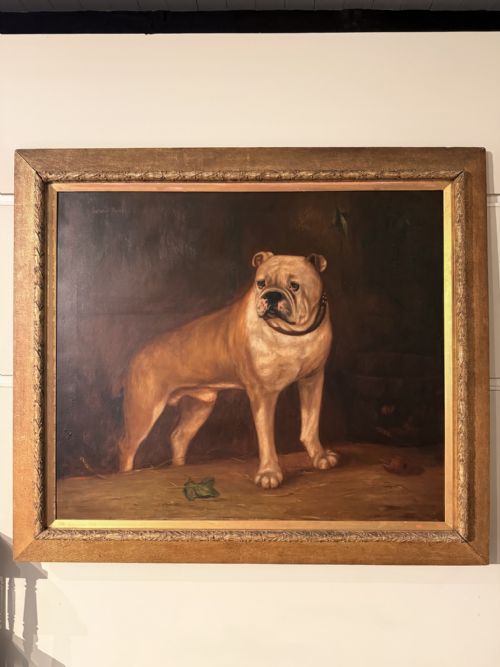
Large Framed Oil Portrait
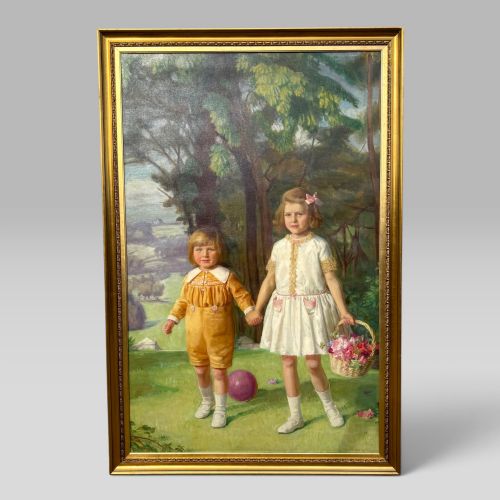
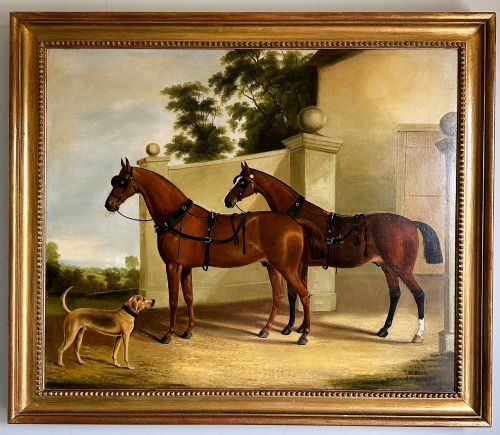
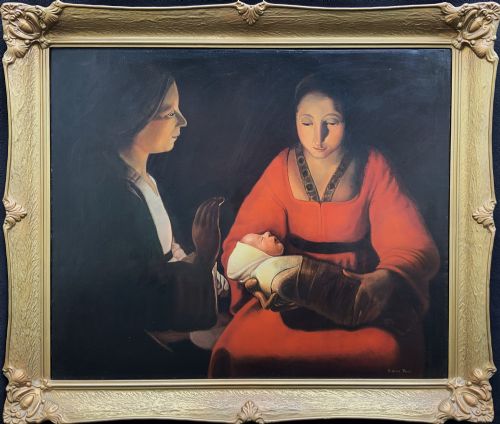
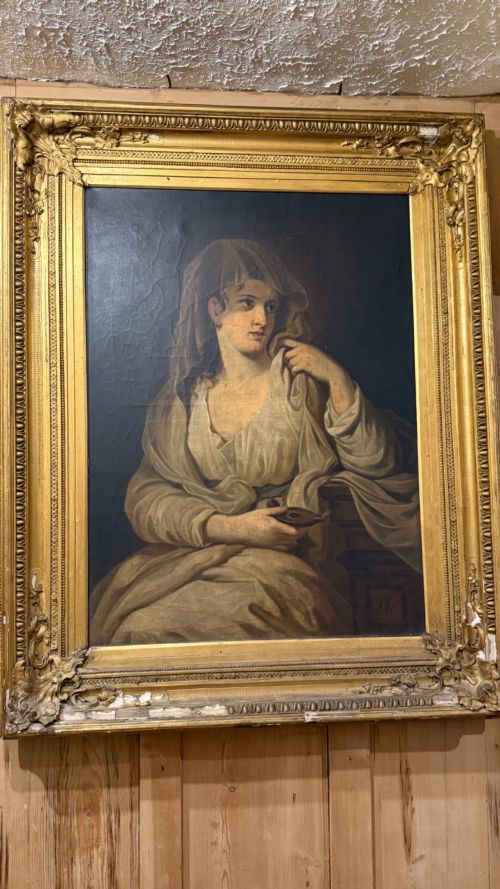
When you search for a large framed oil portrait, you are looking at substantial historical likenesses set within heavy wood and gilt surrounds.
Large Framed Oil Portrait
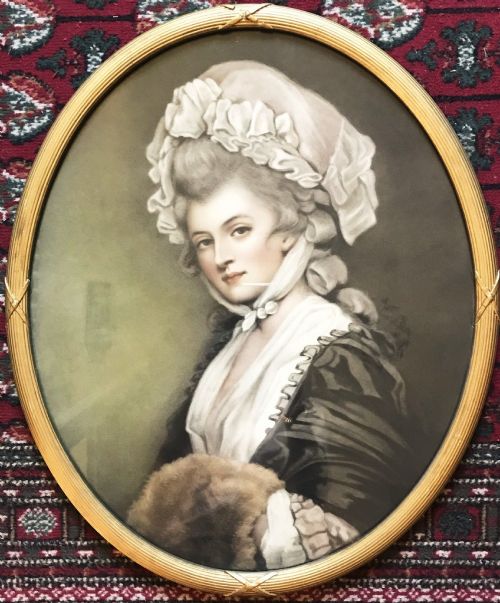
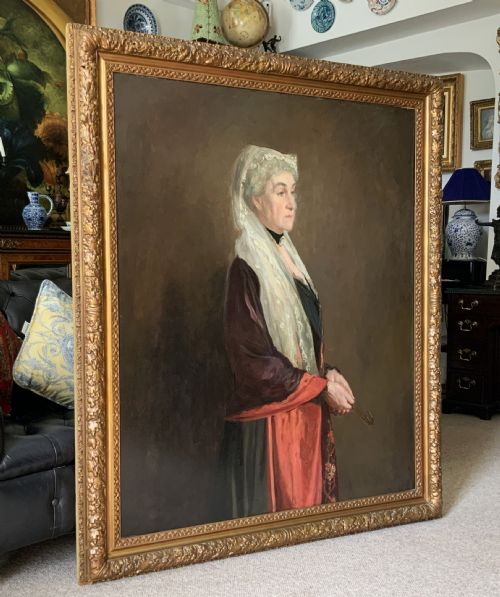
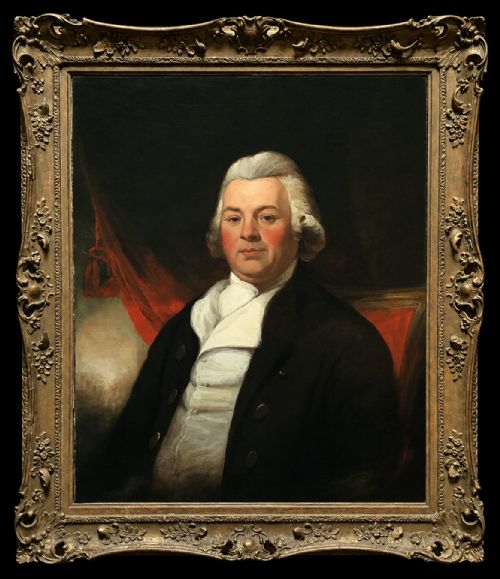
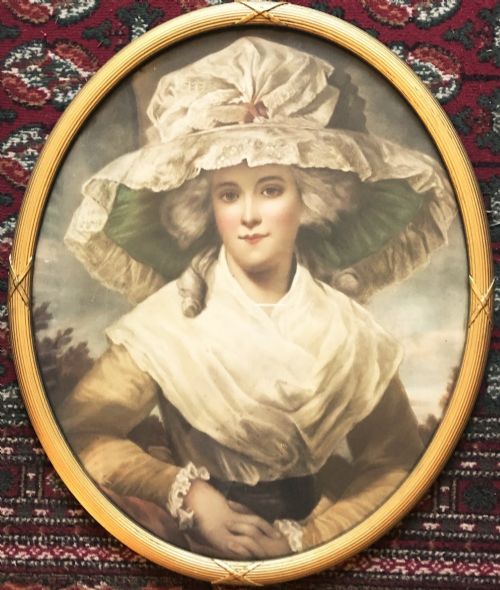
A large framed oil portrait is a commanding canvas or panel depicting a notable individual, military officer, or family group from periods spanning the eighteenth century through to the mid twentieth century. These works often arrive in substantial surrounds, including nineteenth-century giltwood frames and moulded gilt surrounds.
Buyers will find everything from eighteenth-century Georgian depictions of clergymen and Scottish artists to Victorian military figures and Edwardian academic studies. Many pieces capture sitters after earlier masters, reflecting Dutch Golden Age traditions or neoclassical and baroque revival styles.
Scale dictates the impact of these artworks, with monumental and huge formats dominating the selection alongside pairs of historical militia members or Sibyls. Whether rendered on canvas, board, or vinyl canvas, these portraits carry a strong presence suitable for significant wall spaces.
Materials and construction
These works rely on oil paint applied to canvas, board, or vinyl canvas surfaces, capturing fine details in skin tones, textiles, and backgrounds. Artists utilised traditional priming and layering techniques to build depth, visible in both original historical pieces and later studies.
The supporting frames incorporate wood, gesso, and gilt or giltwood finishes, often featuring decorative details such as egg and dart beaded moulding. These heavy surrounds provide structural support and visual weight appropriate for large-format fine art.
Several portraits capture subjects dressed in striking red tartan kilts or historical militia uniforms, keeping strict company with solemn clergy and Dutch old masters.
Factors determining quality
The craftsmanship of the frame also contributes significantly to the overall piece, with hand-carved giltwood and intricate moulding indicating higher-tier production compared to simpler surrounds.
Georges de La Tour·Cornelis Van Der Voort·Sir Joshua Reynolds·Eric Robertson·W.R. Waters·John Opie RA·Harold Knight RA·Frans Hals·David Orr Kerr·Godfried Schalcken·Raphael·William Henry Mander·Thomas Sidney Cooper·Van Dyck·Domenico Zampieri·Carl Adolf Mende·Rembrandt van Rijn
The Large Framed Oil Portrait Glossary
- Giltwood
- Wood that has been covered with a thin layer of gold leaf or gilt paint. This material is frequently found on elaborate antique picture frames.
- Gesso
- A plaster-like mixture used as a base for paint or for moulding decorative relief details on frames. It provides a smooth surface before gilding.
- Old Master
- A term for a European painter of skill who worked before about eighteen hundred. Many later large portraits emulate this specific historical tradition.
- Oil on Canvas
- Pigment mixed with an oil medium applied to a woven fabric stretched across a wooden support. This combination forms the primary medium for these portraits.
Large Framed Oil Portrait: Frequently Asked Questions
How do I hang a heavy framed portrait safely?
Large framed oil portraits carry significant weight from their wood and gesso surrounds, requiring secure wall anchors or direct fixing into wall studs. Professional picture-hanging hooks rated for heavy loads ensure the piece remains stable.
Position the centre of the canvas at eye level to replicate gallery standards and distribute the physical load evenly across two mounting points rather than a single wire.
What periods do these portraits represent?
The selection spans from the eighteenth century through the Victorian and Edwardian eras up to the mid twentieth century. Pieces include authentic eighteenth-century Georgian works as well as later nineteenth-century interpretations of baroque and neoclassical styles.
Stylistic markers in the attire, hair, and frame construction help distinguish between an eighteenth-century original and a later nineteenth-century revival piece.
Are these portraits original works or copies?
The inventory contains both original life portraits and deliberate studies after earlier masters such as Rembrandt, Van Dyck, and Reynolds. Many depict historical sitters or mythological figures rendered in the style of the Dutch Golden Age.
Signatures, dates, and recorded provenance help clarify whether a piece is an original primary work or an artist's study from a later period.
How should I care for an oil on canvas painting?
Keep oil paintings away from direct sunlight and fluctuating heat sources to prevent the canvas from sagging and the oil paint or gesso from cracking. Dust the surface and the ornate gilt frame gently with a dry, soft brush.
Avoid using water or chemical cleaners on the canvas or the gilded wood mouldings, as moisture can damage the historical materials.