

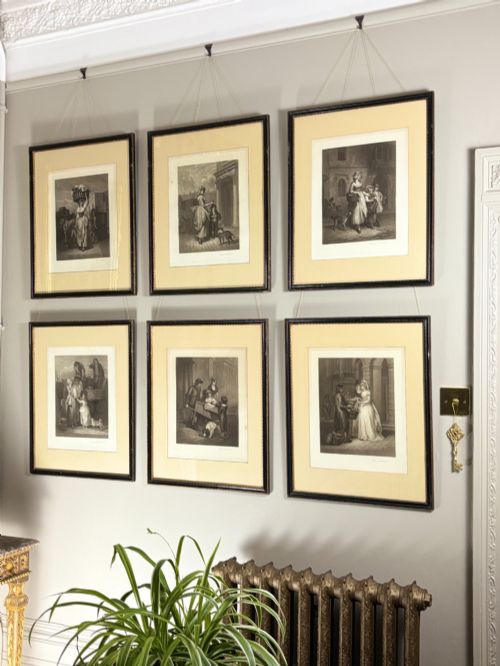
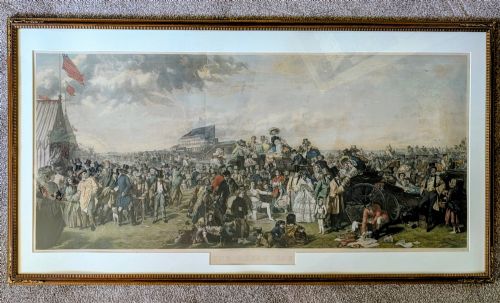
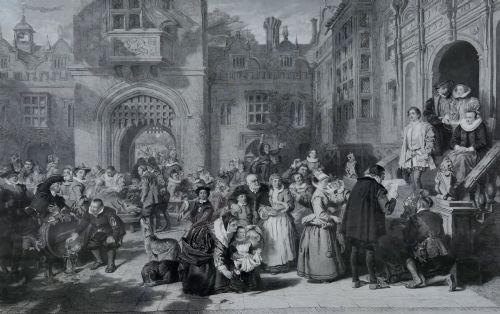


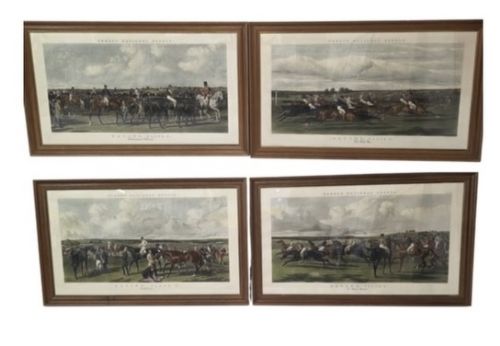
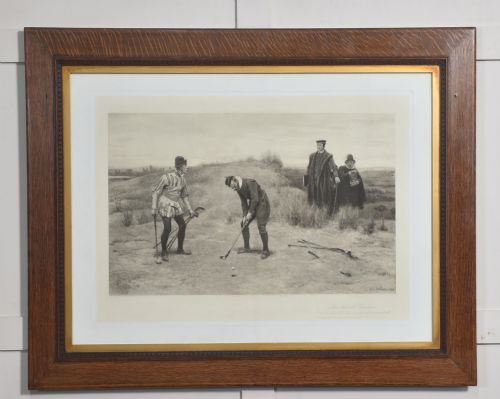

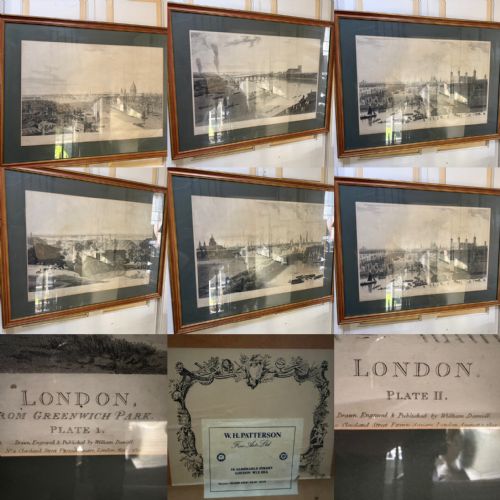


Large Framed Engraving
A large framed engraving brings scale and historical depth to a wall, taking the form of architectural studies, detailed maps, and narrative scenes enclosed in timber or gilt surrounds.
Large Framed Engraving
A large framed engraving represents a substantial piece of wall art that bridges historical cartography, classical architecture, and narrative imagery. When searching for a large framed engraving, buyers encounter works spanning from the eighteenth century through the Victorian era and into the early twentieth century.
The selections on this page lean heavily toward nineteenth-century subjects, including detailed London views, racing scenes, and literary or historical adaptations. Alongside these, eighteenth-century classical antiquities and cartographic maps provide alternative formats within the broader category of large framed engravings.
Materials and Techniques
These works rely on ink applied to paper through traditional printing techniques, housed behind protective glass within timber frames. Oak and gilded wood frequently form the structural housings, sometimes enhanced by parcel gilt or original Hogarth mouldings.
The physical construction of these pieces often incorporates gold leaf accents on the surrounding frames to complement the detailed line work of the central printed image. Structural backing and framing materials vary from period to period, reflecting the prevailing joinery of each respective century.
Large Framed Engraving Retail Price Guide 2026
Typical asking prices for large framed engraving among the pieces listed under this phrase on Sellingantiques today, from the lower quarter to the upper quarter. They describe what is for sale here now, not the wider market.
The listings on this page span the 17th, 18th, 19th, and early 20th centuries, featuring paper, oak, glass, and gold leaf.
Evaluating the Pieces
Quality in these works rests upon the crispness of the ink transfer and the integrity of the paper substrate. Superior examples retain sharp line definition in complex architectural or figural scenes without blurring or fading across the sheet.
The housing contributes significantly to the overall standard, with period frames that retain their original gilding or timber patination holding greater visual cohesion. The preservation of the glass, backing, and overall mount directly influences how cleanly the artwork reads on the wall.
William Powell Frith·Thomas G Appleton·William Daniell·Robert Morden·Eman Bowen·James Basire
The Large Framed Engraving Glossary
- Engraving
- A printmaking technique where an artist carves an image directly onto a metal plate using a sharp tool called a burin. The resulting lines hold the ink that transfers to paper under pressure.
- Mezzotint
- A tonal printmaking method on copper where the surface is roughened to produce rich darks and subtle gradations of light. This technique allows for deep shadows and smooth transitions.
- Cartography
- The study and practice of making maps, represented here through historical geographical plates of regions and countries. These antique maps combine scientific survey with decorative border work.
- Parcel Gilt
- A decorative treatment where only specific portions of an object or frame receive a thin application of gold leaf. This technique highlights carved details against a contrasting wood base.
Large Framed Engraving: Frequently Asked Questions
How do I hang a heavy framed engraving safely?
Large framed works require secure wall anchors and appropriate fixings distributed across the weight of the timber surround. Wall construction dictates whether solid fixings or cavity anchors are necessary to support the load.
Positioning the centre of the piece at eye level ensures proper visual balance in a room. Using two hanging points rather than one helps maintain stability and keeps the frame level over time.
What lighting protects paper prints from fading?
Direct sunlight accelerates the degradation of paper and ink, meaning these works benefit from placement away from intense natural glare. Wall positioning out of direct solar paths preserves the tonal quality of the print.
Low-heat LED lighting with ultraviolet filtering offers a practical solution for indoor display. Limiting daily light exposure further protects the integrity of both the paper and the surrounding frame.
How do I clean the glass and frame without damage?
Dusting the timber frame regularly with a dry cloth prevents dirt accumulation in carved crevices and mouldings. Avoid harsh chemical cleaners that might strip historic finishes or damage the wood patination.
When cleaning the glass, apply a mild glass cleaner to a cloth rather than spraying directly onto the surface. This precaution prevents liquid from seeping beneath the rebate and staining the paper print within.
Can I distinguish an 18th-century print from a later copy?
Paper characteristics provide primary clues for dating, as older sheets often display distinct chain lines and watermarks from manual mould production. Examining the ink under magnification reveals the characteristic impression left by a printing plate.
Subject matter and engraving style also offer context for chronological placement, aligning with known publishing periods. Comparing the framing style and backing materials helps confirm whether the mounting is period-appropriate.