




Large Fire Guard
A large fire guard protects a room from sparks and coal embers while anchoring the hearth with substantial metal or wood work.
Large Fire Guard
A large fire guard encompasses both floor-standing fenders and upright screens designed for substantial fireplaces. Buyers searching for a large fire guard encounter Victorian and Georgian examples, alongside pieces from the early twentieth century.
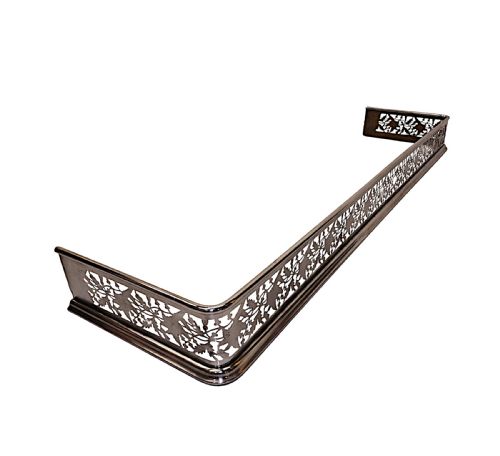
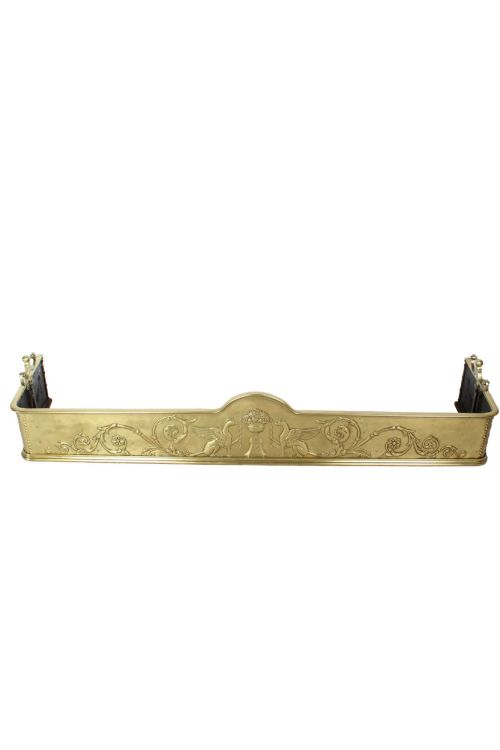
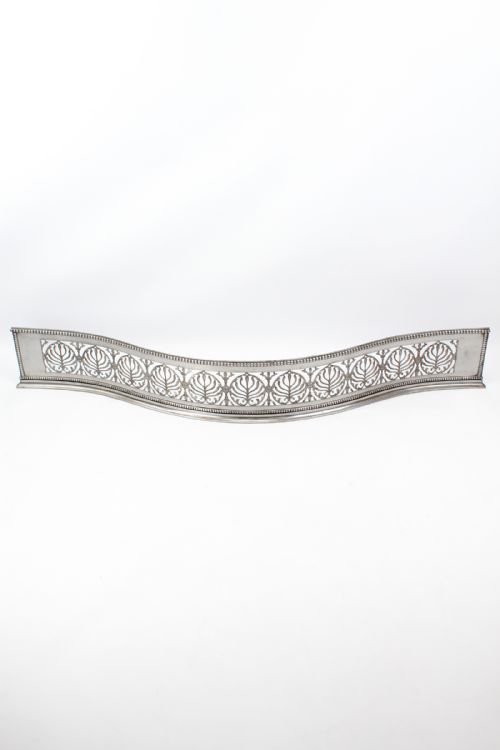
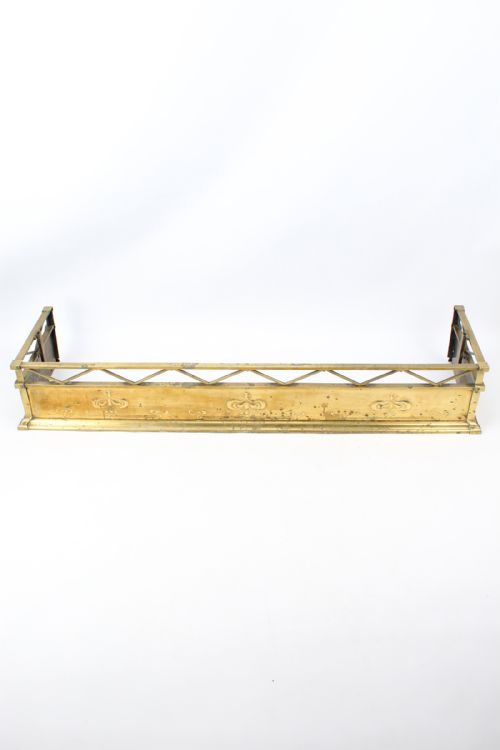
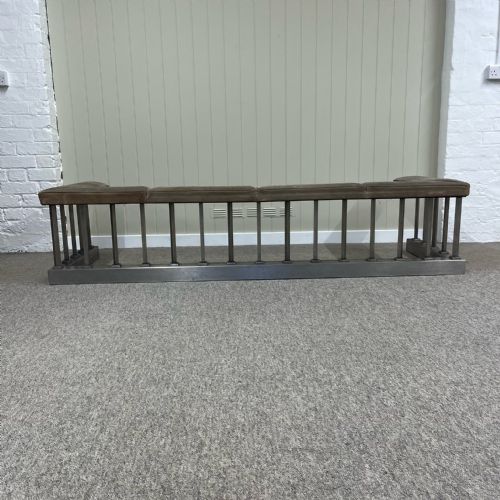
The inventory on this page consists primarily of fenders in brass, steel, and limed oak, alongside upright fire screens in giltwood, carved wood, and textile. Many of these guards measure over four feet in width or height to suit larger hearths.
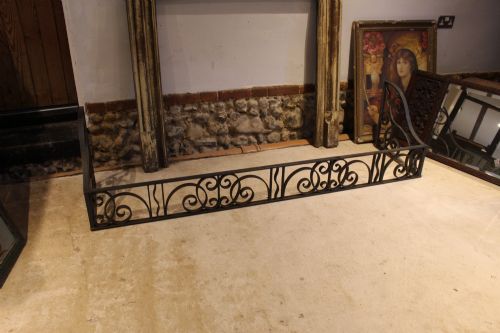
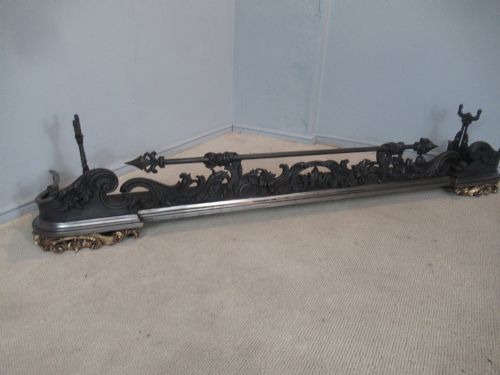
Origin and period vary across the selection, featuring English country house styles, French Neoclassical influences, and Arts and Crafts designs. These functional items range from simple wire mesh and iron nursery guards to ornate neoclassical brass constructions.
Materials and construction
Makers utilised heavy metals like brass, polished steel, and iron to forge structural frames and low fenders. Wire mesh frequently appears in nursery designs to contain sparks securely.
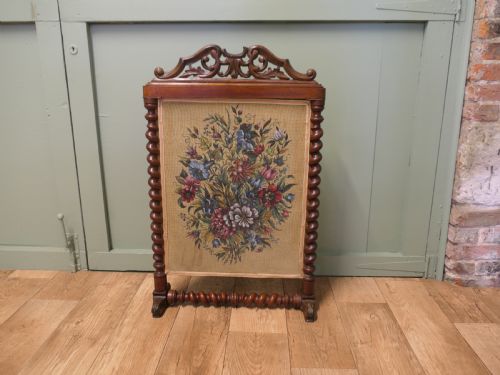
Woodwork in these pieces relies on carved giltwood, limed oak, and textile inserts such as needlepoint. Metal components often feature engraved detailing and brass top rails.
Large Fire Guard Retail Price Guide 2026
Typical asking prices for large fire guard among the pieces listed under this phrase on Sellingantiques today, from the lower quarter to the upper quarter. They describe what is for sale here now, not the wider market.
Some nursery fenders came equipped with integrated brass top rails, presumably so exhausted nannies had somewhere steady to rest their hands.
Judging quality in large fire guards
Quality rests upon the weight of the metal and the precision of the engraving or carving. Solid brass castings and hand-engraved steel demonstrate superior craftsmanship compared to lighter commercial alternatives.
The integrity of integrated elements, such as textile panels, glass screens, and matching companion sets, dictates the overall standard. Original surface patination and robust joinery separate high-grade period pieces from later reproductions.
The Large Fire Guard Glossary
- Fire fender
- A low metal or wooden barrier placed on the hearth around the base of a fireplace. It prevents burning logs or coals from rolling out onto the floorboards.
- Fire screen
- An upright panel placed before an unused fireplace to block the view of the grate during warmer months. These often incorporate glass, needlepoint, or carved wood.
- Nursery fender
- A tall protective guard designed specifically to keep children and pets at a safe distance from open flames. They typically feature sturdy wire mesh construction.
- Serpentine
- A curved shape resembling a snake, featuring a convex centre flanked by concave curves. This contour frequently appears on the front rail of Georgian steel fenders.
Large Fire Guard: Frequently Asked Questions
What is the difference between a fender and a screen?
A fender sits flat on the floor around the hearth base to contain embers and logs. A screen stands upright to block the fireplace opening entirely when the fire is unlit.
Fenders focus on metal boundaries and hearth safety, whereas screens emphasise decorative panels made of wood, glass, or textile.
How do I measure for a large fire guard?
Measure the width and depth of your hearth stone to ensure a floor fender sits correctly within the space. Take the dimensions of the fireplace opening if you intend to use an upright screen.
Allow clearance for any protruding hearth stones and decorative feet on the guard itself.
Are these pieces suitable for active fireplaces?
Most metal fenders and wire mesh nursery guards are built to withstand hearth heat and contain active sparks. Items incorporating delicate textiles or glass panels require careful placement further from intense flames.
Consider the primary material before use to ensure the guard can handle daily exposure to heat and soot.
How do I date a Victorian brass guard?
Examine the manufacturing techniques, fastener types, and stylistic cues such as Arts and Crafts motifs or Neoclassical Revival details. Victorian pieces often combine machine-formed components with hand-finished brass elements.
Compare the weight and surface patination against documented examples from the nineteenth century.