

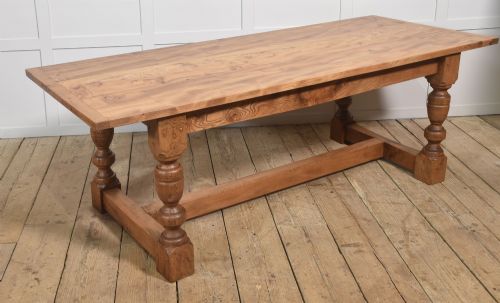


Large Elm Farmhouse Table
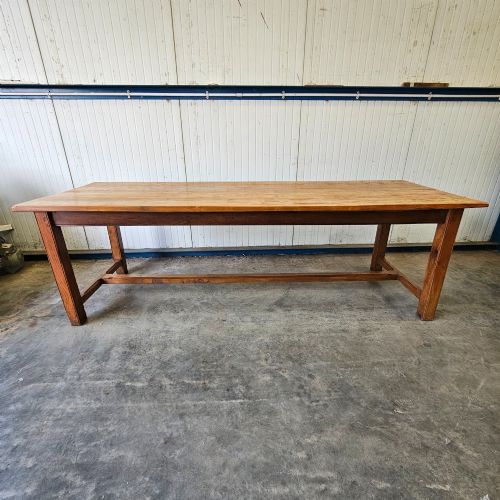
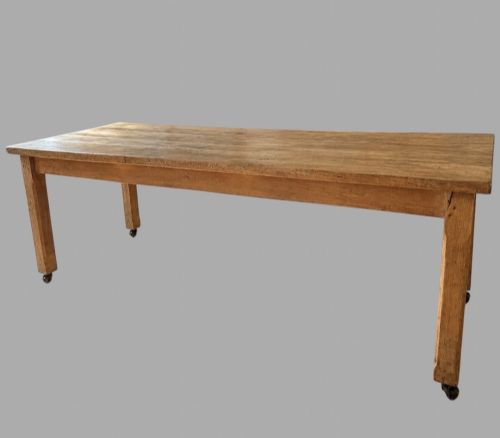
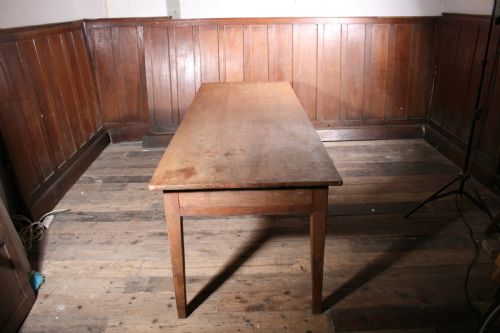
A large elm farmhouse table anchors a kitchen or dining room with deep grain, honest utility and generations of country character.
Large Elm Farmhouse Table
A large elm farmhouse table is a sturdy timber surface designed for communal country living, dining and kitchen work. When you search for a large elm farmhouse table, you encounter substantial dining tables, refectory forms and harvest tables built to seat many people.
The examples available range from 18th century and Victorian pieces to 19th century English and French country designs. Most pieces you meet on this page date from the 19th century, featuring expansive plank tops and robust wooden construction.
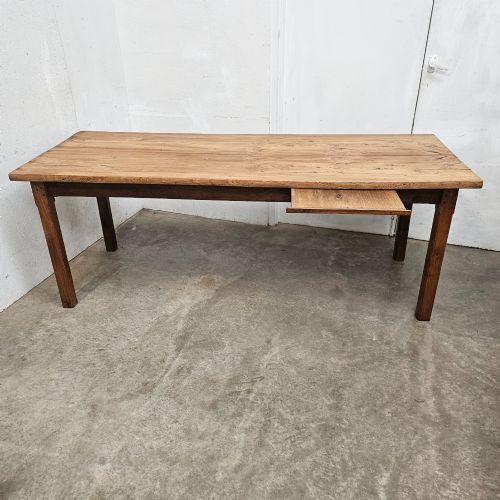
While primarily configured as dining tables, some variations include coffee table formats, harvest tables or pieces equipped with a side drawer. Origins stretch across English workshops and French provincial regions, bringing distinct regional proportions to each board.
How they were made
Carpenters constructed these tables using solid timber planks joined to sturdy wooden frames, predominantly relying on elm for its resilient, interlocking grain. Oak, ash, pear wood and metal elements appear alongside the primary timber in specific frames and supports.
Construction techniques include two-board tops, scrubbed surfaces, and turned or refectory legs designed to support heavy daily use. Workshops shaped the wood using hand tools, creating durable joints and stable bases intended to last for centuries.
Large Elm Farmhouse Table Retail Price Guide 2026
Typical asking prices for large elm farmhouse table among the pieces listed under this phrase on Sellingantiques today, from the lower quarter to the upper quarter. They describe what is for sale here now, not the wider market.
One historical table thoughtfully includes a side drawer, presumably for hiding away stray cutlery when the harvest feast got out of hand.
What varies in quality
The distinction between ordinary and exceptional tables rests in the character of the timber and the integrity of the original construction. Superior examples feature well-figured grain across wide boards, harmonious proportions and untouched patination earned through decades of domestic service.
Lesser pieces may exhibit mismatched timber repairs, unstable bases or unsympathetic modern alterations that compromise the historical honesty of the piece. The best specimens retain their original scrubbed tops, authentic tool marks and structural rigidity without excessive intervention.
The Large Elm Farmhouse Table Glossary
- Elm
- A durable hardwood known for its interlocking grain and resistance to splitting, making it the primary material for traditional farmhouse tables. Its complex figuring provides a distinct texture across large table tops.
- Harvest table
- A long, narrow table traditionally used during seasonal gatherings and communal meals in rural regions. These tables are designed to accommodate large groups.
- Two-board top
- A table surface constructed from just two wide planks of timber joined lengthwise. This construction method indicates the use of mature trees yielding exceptionally broad boards.
Large Elm Farmhouse Table: Frequently Asked Questions
How do I clean a large elm farmhouse table?
Maintain the wood by wiping surfaces with a damp cloth and mild soap, avoiding harsh chemical cleaners that strip the finish. Dry the timber thoroughly after cleaning to protect the historic grain.
Occasional applications of natural beeswax help nourish the dry elm and preserve the authentic sheen accumulated over decades of use.
Were these tables used only in kitchens?
While primarily built for daily kitchen prep and family meals, large farmhouse tables also served as central work surfaces in rural homes. Their robust construction handled everything from baking to community gatherings.
Today, they transition easily into formal dining rooms or open-plan living spaces as practical gathering points.
How can I tell a French farmhouse table from an English one?
French regional tables often showcase lighter fruitwood or elm combinations with softer apron profiles and oval tops. English country versions typically display darker timbers, turned legs, and more austere rectangular proportions.
Examining the undercarriage construction and the specific secondary woods reveals the likely geographic workshop of origin.
Can a large elm table seat ten people comfortably?
Many of these large tables measure eight feet or longer, specifically engineered to seat eight to ten diners with adequate legroom. The placement of legs and stretchers determines chair clearance along the sides and ends.
Refectory designs with recessed legs offer the most flexibility for positioning seating around the perimeter.