
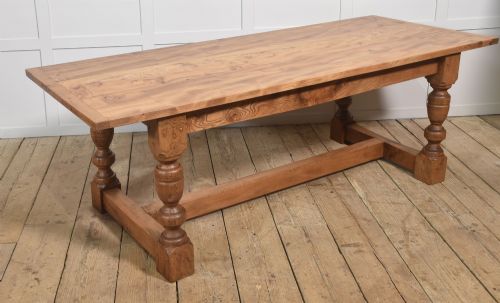


Large Elm Dining Table
A large elm dining table anchors a room with deep timber character and enduring utility.
Large Elm Dining Table
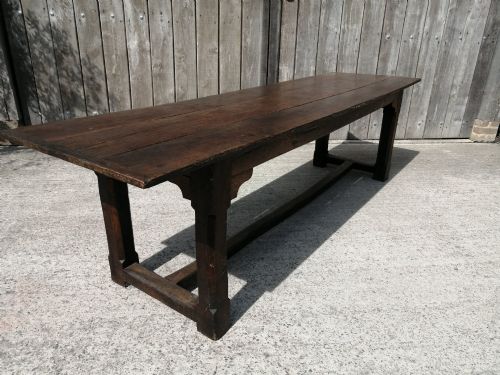
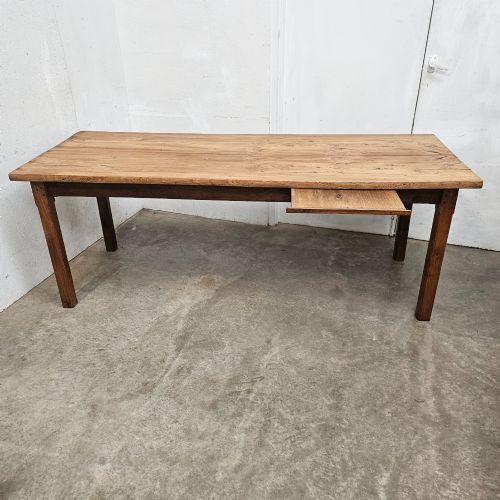
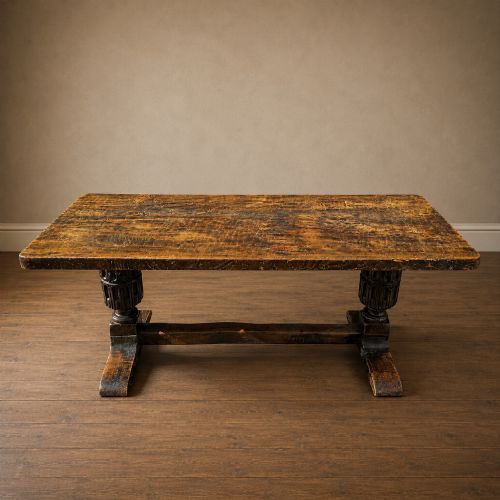
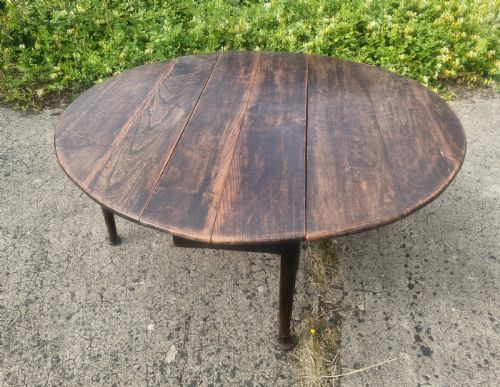
When searching for a large elm dining table, buyers encounter substantial timber surfaces shaped for communal dining. The selection draws primarily from nineteenth-century farmhouse examples alongside eighteenth-century country pieces and refectory forms.
Most pieces show vernacular craftsmanship rooted in English and French provincial traditions. These tables typically feature generous rectangular tops supported by sturdy legs, often designed to seat eight or more diners comfortably.
The inventory balances rustic utility with period presence. Tables vary from simple plank construction to extended tavern formats, reflecting centuries of domestic use across rural properties.
Construction and materials
Makers utilised elm for its tough, interlocking grain, which resists splitting under heavy daily use. Oak frequently appears alongside elm to provide rigid structural framing for legs and stretchers.
Tops are constructed from single, double, or multiple timber boards joined together. Joinery relies on traditional pegged joints and stretcher frames rather than metal fasteners, ensuring long-term stability.
One recorded harvest table comes explicitly recommended for a Christmas dinner, picnic, or barbecue.
Indicators of quality
Quality rests in the integrity of the timber top and the balance of the underlying frame. Tables retaining thick, original planking command attention for their tactile grain and surface preservation.
Proportion and structural honesty separate exceptional examples from standard utilitarian pieces. Good execution shows harmonious scaling between the top and the supporting legs without excessive modern intervention.
The Large Elm Dining Table Glossary
- Refectory table
- A long dining table traditionally used in communal halls and large kitchens. This form provides substantial length and clear legroom beneath the top.
- Farmhouse table
- A domestic utility table built for heavy daily kitchen use. These pieces typically display simple lines and practical timber construction.
- Plank top
- A table surface constructed from distinct boards laid side by side. Single and two-board tops represent particularly desirable configurations.
- Patina
- The surface sheen and colour developed through years of handling, polishing, and natural ageing. This quality highlights the texture of the wood.
- Stretcher
- A horizontal support connecting the legs of a table to improve rigidity. These elements reinforce the framework beneath large dining surfaces.
Large Elm Dining Table: Frequently Asked Questions
How many people do these tables seat?
These large dining tables generally accommodate eight to ten diners comfortably. Their generous length suits extended gatherings and busy kitchens.
Buyers should measure their available dining space carefully to ensure adequate clearance around the chairs.
Are these tables suitable for daily use?
Elm provides a resilient surface that withstands regular family meals and social events. The robust timber construction handles everyday demands reliably.
Routine care involves simple cleaning with a damp cloth and occasional waxing to protect the aged timber.
How do I identify a period piece?
Period indicators include hand-planed board surfaces, traditional pegged joinery, and natural wear patterns. Eighteenth and nineteenth-century examples show tool marks consistent with historic hand woodworking.
Constructive elements like oak framing and vernacular stretcher designs also help anchor the piece to its specific era.
What is a tavern table?
A tavern table is a sturdy utilitarian form built for commercial or large domestic settings. These pieces feature strong legs and heavy tops designed for constant service.
They share the robust materials and practical construction found in standard farmhouse dining tables.