


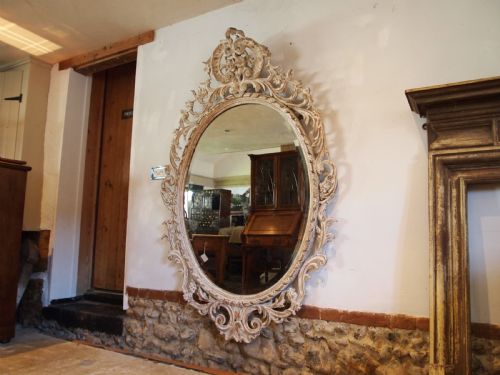


Large Distressed Painted Mirror
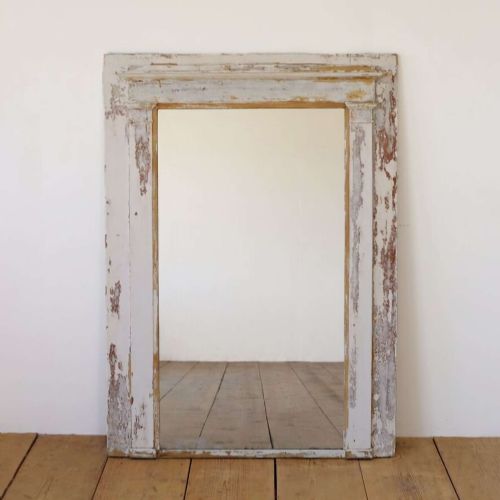
These large distressed painted mirrors bring aged French and English character into modern rooms through weathered wooden frames and foxed glass.
Large Distressed Painted Mirror
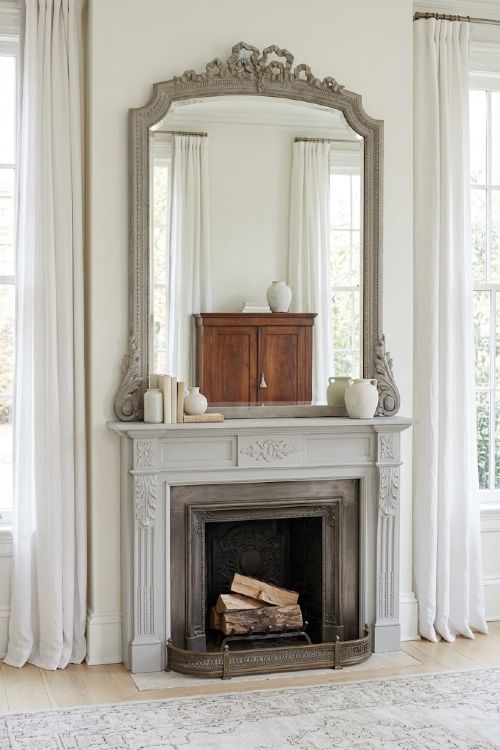
A large distressed painted mirror acts as a dominant focal point in a room, frequently hung above a fireplace mantel or mounted as a full-scale wall piece. These heavy plates span the eighteenth, nineteenth, and early twentieth centuries, originating mainly from French and English workshops.
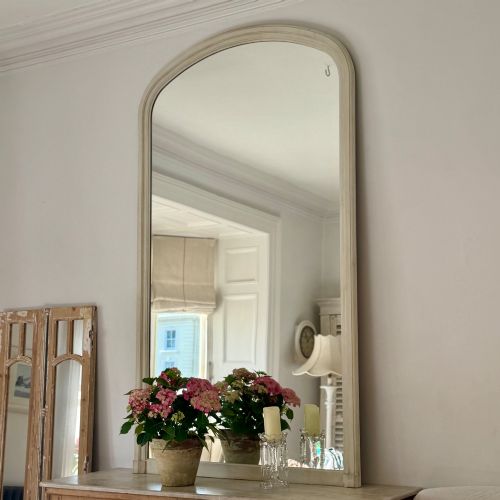
The predominant forms found here are grand overmantel mirrors and architectural wall mirrors featuring arched tops, shaped crests, or rectangular frames. Many examples display regional French styles like Louis Philippe and trumeau formats alongside classic Victorian English designs.
Buyers choose these pieces to anchor a high-ceilinged interior, utilising the weathered aesthetic to soften contemporary white walls or complement traditional period furniture. The scale allows the glass to reflect substantial natural light while the worn finish provides an established, lived-in feel.
How They Were Made
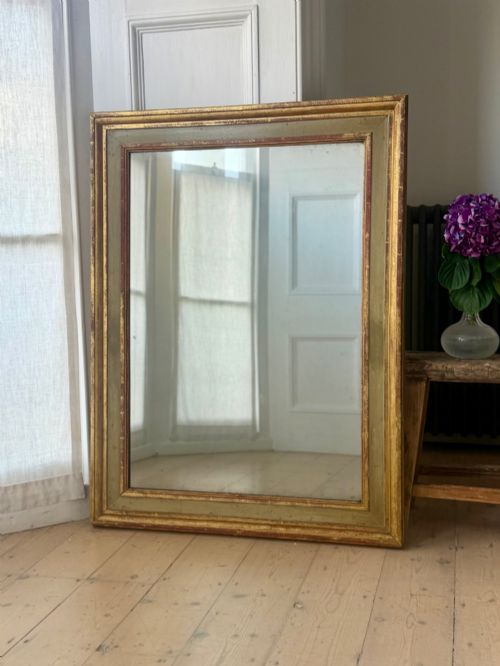
Frames are constructed from solid timber, often carved wood built up with layers of gesso to create intricate moulded details like rope twists, column framing, and ribbed borders. Artisans applied multiple coats of paint over the gesso, sometimes incorporating gold leaf or silver accents beneath the surface layers.
Early glass plates were silvered using traditional methods such as mercury backing, producing a characteristic dark, mottled reflection known as foxing. Over decades, the paint finish wore down naturally through handling and environmental exposure, creating the characteristic distressed patina valued by collectors today.
Listings span from the eighteenth century to the early twentieth century, incorporating glass, gesso, wood, and gold leaf.
What Varies in Quality
The integrity of the carved wooden structure and the original gesso depth dictate the underlying quality of the frame. Superior examples retain crisp moulding relief beneath layers of historic paint without extensive modern reconstruction of the wooden substrate.
The character and originality of the mirror plate itself determine the upper tier of the range. Authentic period glass with heavy, undisturbed mercury foxing commands greater interest than later clear replacement plates fitted into antique frames.
The Large Distressed Painted Mirror Glossary
- Gesso
- A plaster-like mixture applied to wood frames to create a smooth surface for carving and painting. It allows artisans to achieve sharp relief details that hold paint securely over centuries.
- Overmantel Mirror
- A wide mirror specifically designed in proportion to sit directly above a fireplace mantel. These pieces often feature horizontal emphasis and substantial frames.
- Trumeau Mirror
- An antique decorative mirror incorporating a painted panel or artwork directly above the glass plate. Originating in France, they were traditionally built to mount flush into wall panelling.
- Louis Philippe
- A nineteenth-century French furniture and mirror style characterised by simple, elegant lines, gently rounded top corners, and minimal ornamentation. It bridges neoclassical severity and Victorian curves.
- Mercury Glass
- An early mirror-making technique using a tin and mercury amalgam poured behind the glass plate. This process creates a deep, cloudy reflection that develops dark spots over time.
Large Distressed Painted Mirror: Frequently Asked Questions
How do I hang a heavy overmantel mirror safely?
These wooden frames carry substantial weight from the timber, gesso, and thick glass plate. They require professional wall anchors screwed directly into structural studs to support the load securely.
Resting the frame on a sturdy mantelpiece while securing the top to the wall provides additional stability. Avoid relying on standard picture wire for pieces of this scale.
What is the difference between French and English frames?
French pieces from the nineteenth century frequently exhibit softer crests, Louis Philippe shaping, and lighter painted or gilt combinations. English alternatives tend toward heavier overmantel proportions with architectural column framing and darker underlying timber.
Both traditions utilise carved wood and gesso, but regional decorative preferences shape the overall silhouette and moulding profiles.
Can I clean the original mirror glass?
Historic glass requires gentle treatment to protect the fragile silvering and foxed areas behind the surface. Use a soft, dry microfibre cloth to remove dust without applying pressure.
Avoid commercial glass cleaners containing harsh chemicals, as moisture can seep behind the edges and accelerate degradation of the original backing.
How do I identify original paint from later touch-ups?
Original painted surfaces show micro-craquelure, gradual thinning over high points of the gesso, and accumulation of dust in recessed crevices. Modern repainting often appears uniform and lacks the deep integration with the historic gesso layer underneath.
Examining the frame under natural light reveals subtle tonal variations where the underlying gold leaf or earlier paint coats peek through.