




Large Decorative Shell
These large decorative shell pieces bring natural history and maritime craft into a room, offering striking focal points for a collector of curiosities.
Large Decorative Shell
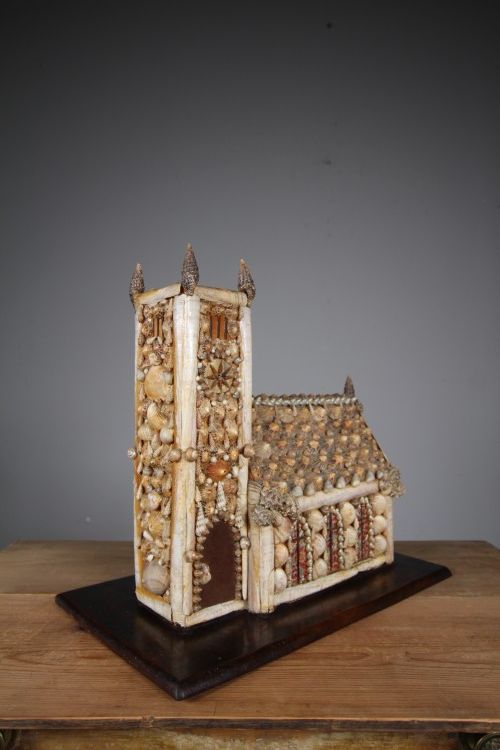
The selections span distinct periods, running from pre-sixteenth century fossils to nineteenth-century decorative items and early twentieth-century compositions. Forms vary from simple wall mirrors and botanical specimens to decorative bowls, porcelain figures, and intricate shell work structures.
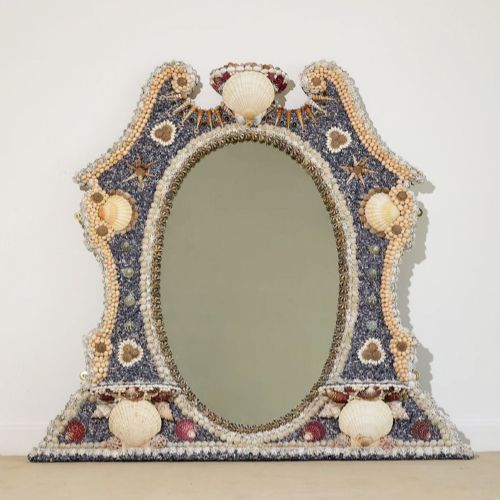
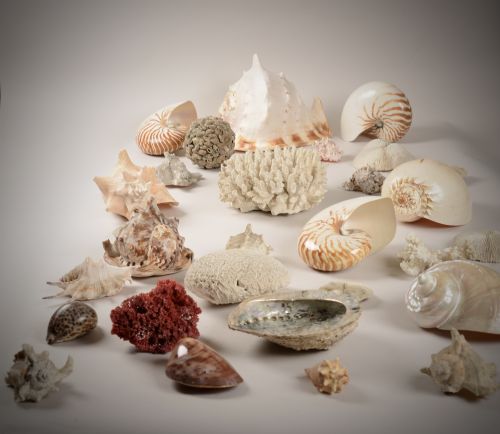
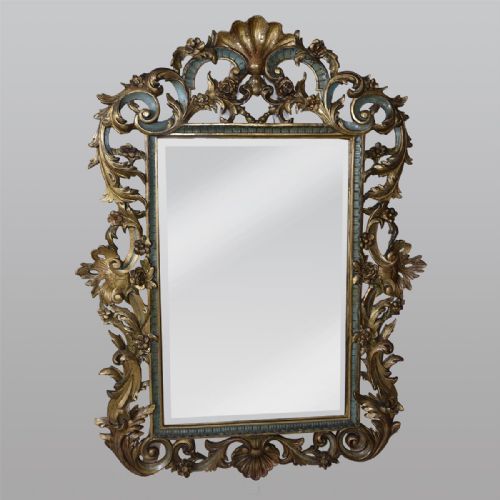
Origin and context dictate the character of each piece, drawing on French Rococo Revival styles, Victorian natural history cabinets, and French chateau aesthetics. Natural specimens like the Tridacna Gigantea sit alongside painted and gilded wooden mirrors bearing sculptural aquatic ornamentation.
Materials and construction methods
Natural materials dominate this category, utilising calcium carbonate, natural shells, and seashells alongside wood, glass, and cardboard in mounted or framed iterations. Composition materials and gesso appear in manufactured replicas and decorative frames, whilst paint and gilding add surface colour and sheen.
Craftsmen utilised traditional carving, gilding, and painting techniques on wooden mirror frames to integrate shell motifs into French Rococo Revival and trumeau designs. Natural specimens required careful cleaning, mounting, and occasional fossilisation preservation, whilst composition pieces were moulded to replicate the scale of giant clams.
A porcelain water nymph once shared shelf space with giant clams and fossilized clusters.
Assessing quality in decorative shells
Quality rests upon the natural integrity of the specimen, the precision of the carving, and the preservation of original surfaces such as gilding and paint. Unaltered natural specimens command attention through their scale, complete structure, and minimal damage over centuries.
In manufactured or framed pieces, the skill of the artisan shows in the harmony between the natural element and the surrounding gesso, wood, or glass frame. Superior examples display crisp detail in carved motifs and stable composition materials that resist degradation.
Royal Dux
The Large Decorative Shell Glossary
- Tridacna Gigantea
- A species of giant clam yielding massive shells frequently utilised in natural history collections and decorative displays. These specimens are prized for their substantial scale and fluted edges.
- Coco de Mer
- A double coconut originating from the Seychelles, prized as a botanical curiosity in historical cabinets. Its distinct shape has fascinated collectors for centuries.
- Trumeau mirror
- An antique wall mirror featuring an upper panel decorated with painting or relief work. These pieces often incorporate motifs relating to natural history or classical themes.
- Calcium carbonate
- The primary mineral component forming the hard shells of molluscs and marine organisms. It provides the durable structure seen in natural specimens.
- Gesso
- A plaster-like mixture applied to wood surfaces as a base for painting and gilding. It allows artisans to mould intricate decorative frames around mirrors.
Large Decorative Shell: Frequently Asked Questions
How do I clean a large natural shell?
Dust natural specimens gently with a soft dry brush to prevent damage to delicate surfaces. Avoid water or chemical cleaners that might strip natural patinas or degrade calcium carbonate.
For framed or gilded pieces, use a dry microfibre cloth on the glass and surrounding wood frames. Keep moisture away from composition materials and painted areas.
Where should I display a giant clam shell?
Giant clam shells suit heavy wooden tables, sideboards, or bespoke stands that can support their substantial weight. Position them away from direct sunlight to prevent fading of natural tones.
Ensure the placement protects the brittle edges of the shell from accidental knocks in high-traffic hallways or narrow rooms.
What is a cabinet of curiosities?
A cabinet of curiosities is a historical collection of remarkable natural specimens, fossils, and artefacts gathered during the Renaissance and later periods. These displays celebrated the diversity of the natural world.
Items like ammonite fossils and exotic shells formed the core of these collections, bridging art and natural science.