






Cabinet of Curiosities Shell
These cabinet of curiosities shell pieces bring the wonder of natural history into your home with organic forms that demand attention.
Cabinet of Curiosities Shell
A cabinet of curiosities shell represents the Victorian fascination with natural history, bringing specimens from oceans and shores into interior displays. When you search for a cabinet of curiosities shell, you encounter objects gathered from the natural world and prepared for display.
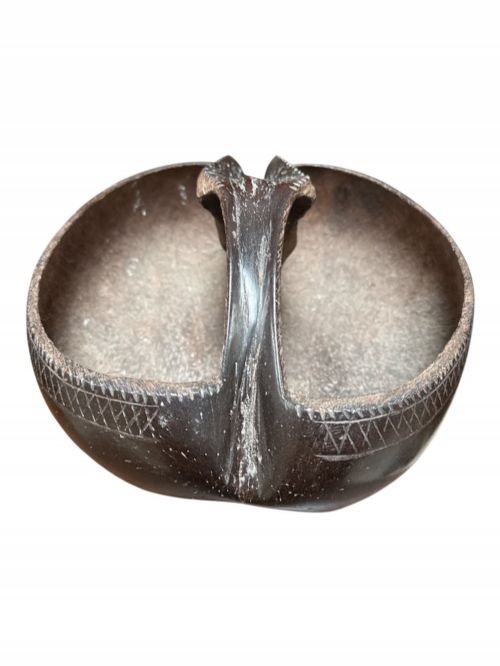
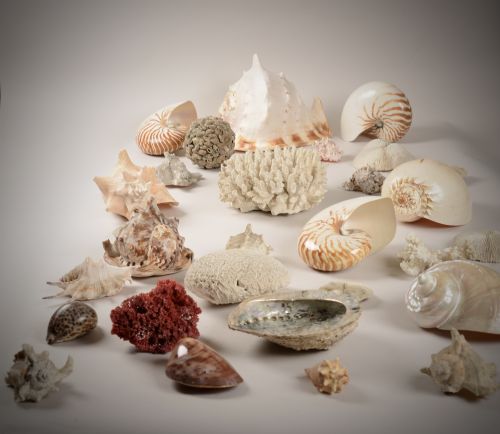
The selections available here span from the 19th Century and Victorian eras through to the early decades of the 20th century. Forms range from botanical specimens and decorative bowls to large ammonite fossils and carved cowrie shells.
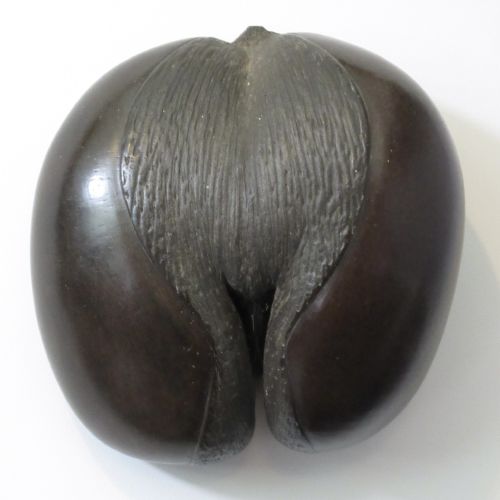
You are most likely to meet natural shell specimens, giant clam shells, and large coco de mer varieties among these listings. Each piece reflects the historic desire to collect and classify the unusual productions of nature.
What varies in quality
Quality rests upon the natural state and scale of the specimen, alongside the clarity of any carved details. Larger examples such as giant clam shells and substantial coco de mer pieces command greater presence.
The preservation of the natural surface and the integrity of the fossilisation or shell structure determine the overall calibre of the item. Pieces that combine impressive natural dimensions with careful historical preparation stand apart.
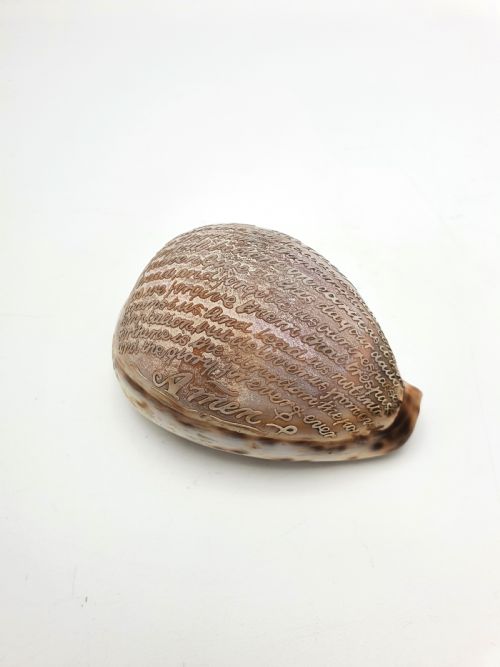
One tiny cowrie shell wears the entire Lord's Prayer carved across its back.
Calderoni Gioielli
The Cabinet of Curiosities Shell Glossary
- Coco de Mer
- A large double coconut native to the Seychelles, prized in historical collections for its unusual shape. It forms a distinct centrepiece in natural history displays.
- Ammonite
- An extinct cephalopod fossil characterised by its coiled spiral shell. These specimens showcase intricate chamber patterns preserved in stone.
- Tridacna Gigantea
- The giant clam, known for producing massive complete shells that were collected during the Victorian period for display. These heavy specimens dominate a tabletop.
- Calcium carbonate
- The primary mineral component forming the hard shells of molluscs and corals. Its presence ensures the durability of these natural specimens over centuries.
Cabinet of Curiosities Shell: Frequently Asked Questions
What is a cabinet of curiosities shell?
A cabinet of curiosities shell is a natural specimen collected and displayed during the Victorian era and adjacent periods. These items celebrate the diversity of marine and fossilised life.
Collectors gathered these objects to study and admire the complex forms created by nature.
How were these shells displayed historically?
Victorians placed these specimens on tables, within glass-fronted cabinets, or mounted them on wooden bases to create curated displays of natural wonders. The arrangement mirrored the scientific expeditions of the time.
Such displays formed the centerpiece of private studies and drawing rooms across Europe.
How do I care for shell specimens?
Protect natural shells and fossils from direct sunlight and excessive humidity to preserve their surface texture and colour. Gentle dusting with a dry cloth is usually sufficient.
Avoid using liquid cleaners or chemical polishes which can damage delicate calcium carbonate surfaces.
How can I tell the period of a shell?
Dating relies on the mounting style, the nature of any accompanying documentation, and the historical context of the collection. Nineteenth-century examples often feature distinct preparation methods and patination.
Examining the material and any carved inscriptions provides further clues to the age of the piece.