





Natural Shell Specimen
These natural shell specimen pieces bring the cabinet of curiosities into a room, offering tactile relics from the nineteenth century and earlier.
Natural Shell Specimen
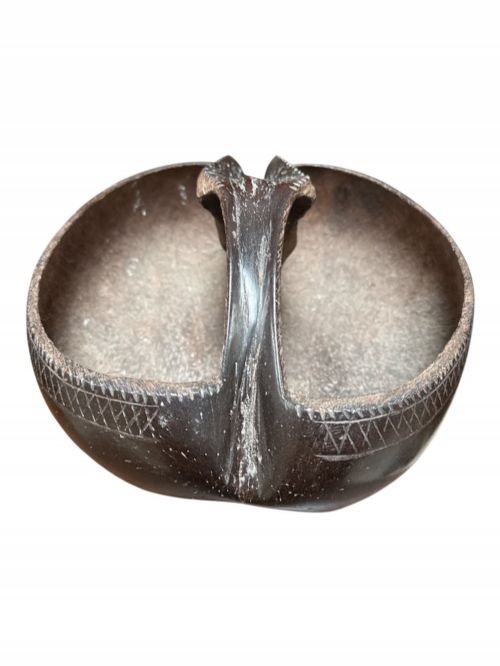
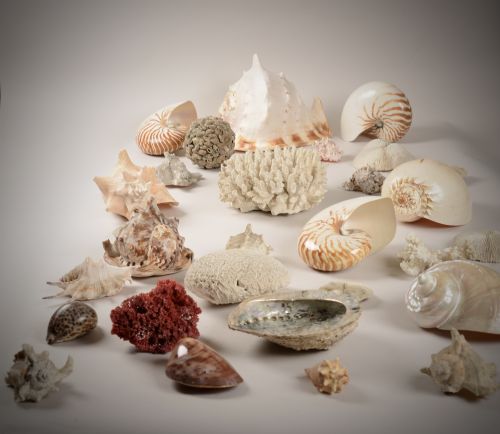
A natural shell specimen covers everything from a giant antique clam shell to a fossilised ammonite cluster, spanning the nineteenth century, the Victorian period, and earlier eras. Buyers searching for a natural shell specimen encounter diverse decorative objects, decorative bowls, and display cabinets designed to house these oceanic and geological forms.
The nineteenth century and Victorian items dominate this selection, frequently arriving alongside vintage sea shells, coral, and turtle shell carapaces. Collectors also find specialised botanical specimens and taxidermy alongside these marine finds, reflecting broad historical interests in natural history.
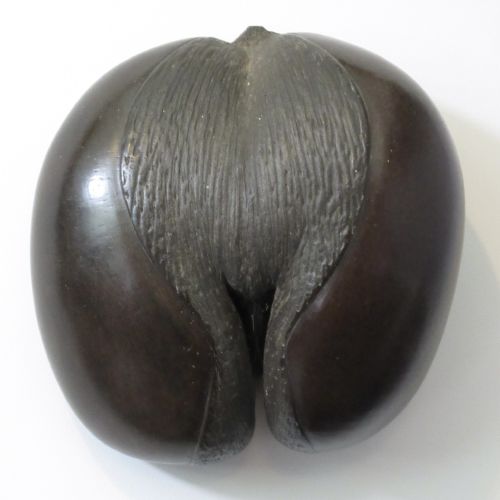
Origin details in the evidence point towards specific geographical sources, such as the Seychelles for early examples of Coco de Mer. These items function as decorative objects that bridge natural history and interior display, suiting studies and drawing rooms alike.
Materials and construction
Makers utilised organic and mineral materials such as natural shell, calcium carbonate, limestone matrix, and fossilised shell. Hardwood appears in supporting furniture, notably in a Victorian mahogany shell cabinet.
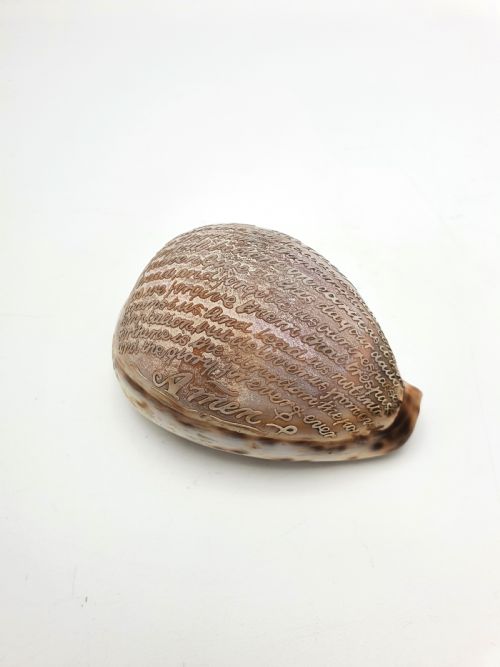
Some pieces display human intervention alongside natural growth, such as a cowrie shell carved with the Lord's prayer. Other specimens remain entirely as formed by nature, like the Tridacna Gigantea complete clam shell and Jurassic fossils.
Listings feature materials spanning natural shell, calcium carbonate, fossilised shell, coral, hardwood, and limestone matrix across the nineteenth century.
Assessing quality and condition
Quality rests upon the preservation of the material and the clarity of the specimen's form, whether it is a complete clam shell or a fossil cluster. The distinction between a standard decorative object and a top-tier piece involves the scale and structural integrity of the shell or fossil.
Cabinet work associated with these pieces, such as a Victorian mahogany shell cabinet, relies on timber selection and joinery standard to house delicate specimens properly.
The Natural Shell Specimen Glossary
- Coco de Mer Shell
- A large double coconut native to the Seychelles, prized in historical collections for its unusual shape and organic origin. It appears in nineteenth-century listings.
- Ammonite Specimen
- A fossilised cephalopod shell exhibiting intricate chambered patterns. These range from single large specimens to fossil clusters.
- Limestone Matrix
- The surrounding sedimentary rock in which a fossil or shell is embedded. It provides structural context for geological specimens.
- Tridacna Gigantea
- The species name for the giant clam, known for massive complete shells found in historical decorative displays.
Natural Shell Specimen: Frequently Asked Questions
What is a natural shell specimen?
A natural shell specimen is a preserved marine or geological object, such as a clam shell, ammonite, or Coco de Mer, collected for display.
These items range from Victorian cabinet pieces to prehistoric fossils.
How were these shells displayed historically?
Historical collectors housed these specimens within dedicated display cabinets, such as Victorian mahogany shell cabinets, or arranged them openly in decorative bowls.
They formed part of broader natural history collections and cabinets of curiosities.
How do I identify a Victorian specimen?
Victorian specimens often align with the natural history and cabinet of curiosities styles prevalent during the nineteenth century.
Documentation, associated cabinetry like mahogany display units, and period-specific mounting techniques help indicate the era.
Are all specimens purely natural?
Most specimens retain their natural state, but some pieces feature human craftsmanship, such as shells carved with text or mounted in bespoke frames.
Both unworked fossils and carved shells appear within historical natural history collections.