





Antique Shell Specimen
These antique shell specimen pieces bring the natural history cabinet straight into a modern room, offering genuine historical wonder.
Antique Shell Specimen
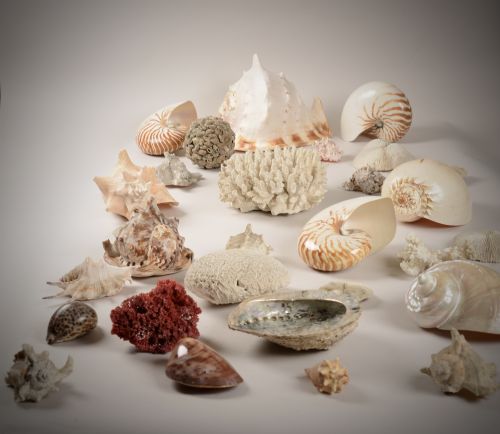
An antique shell specimen encompasses natural history objects, decorative bowls, and display pieces originating from the nineteenth century up to the nineteen-thirties. Buyers examining this category encounter natural shells, coral, fossilised examples, and carved pieces housed in appropriate cabinets.
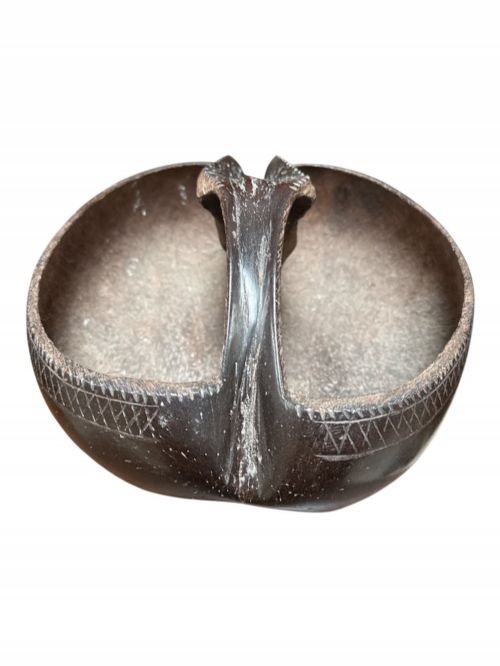
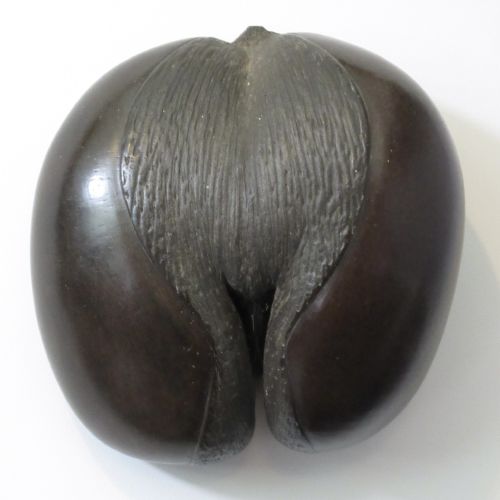
The selection here leans heavily towards Victorian natural history items, featuring substantial specimens like the coco de mer and giant clam alongside carved cowrie shells and turtle shell carapaces. Each item represents a tangible link to historical scientific collecting and domestic display traditions.
How they were made
The physical construction of these pieces relies upon natural calcium carbonate, keratin, and fossilisation processes, shaped over millennia. Artisans and collectors mounted these organic materials using hardwood for display cabinets and presentation fixtures.
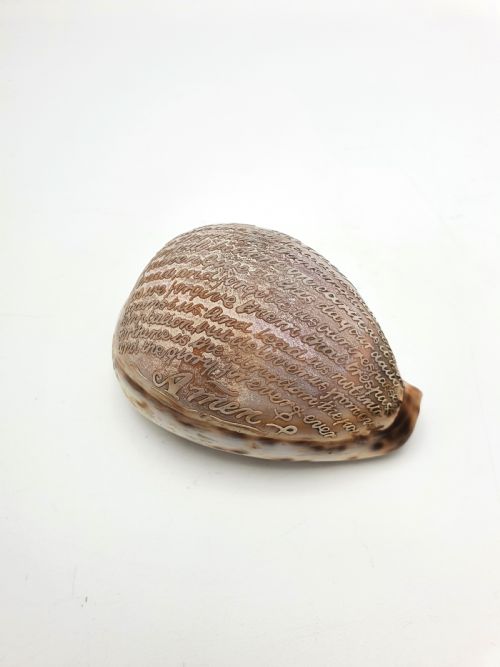
Human intervention ranges from minimal cleaning of natural shell and coral forms to intricate carving, as seen on specific cowrie shells bearing the Lord's Prayer. The pairing of raw natural history specimens with period woodwork defines the craftsmanship of this category.
Some Victorian artisans managed to carve the entire Lord's Prayer onto the tiny, curved surface of a single cowrie shell.
What varies in quality
Quality in an antique shell specimen rests on the natural integrity of the organic material and the preservation of its surface detail. Specimens retaining their original colour, structure, and scale without significant modern repair stand apart from lesser examples.
The depth of human craftsmanship also dictates value, distinguishing between a raw unworked specimen and a finely carved shell or an associated period mahogany cabinet. Provenance and geographical origin further elevate the standing of specific pieces like Seychelles coco de mer.
The Antique Shell Specimen Glossary
- Coco de Mer
- A large double coconut shell native to the Seychelles, highly prized in Victorian collections for its unusual form. These impressive natural objects often served as standalone centrepieces.
- Carapace
- The hard upper shell of a turtle or tortoise, preserved and polished for display. This keratin structure forms a distinct decorative surface in nineteenth-century collections.
- Cabinet of Curiosities
- An early room or piece of furniture dedicated to housing natural history specimens and artefacts. These collections preceded modern public museums.
- Tridacna Gigantea
- The scientific classification for the giant clam, frequently collected and displayed during the Victorian era. These massive marine specimens required robust presentation.
- Ammonite
- A fossilised cephalopod shell showing intricate chamber patterns from the Jurassic period. Collectors value these stony remnants for their striking natural geometry.
Antique Shell Specimen: Frequently Asked Questions
How do I clean an antique shell specimen?
Dust natural shells gently with a soft, dry brush to prevent surface accumulation without introducing moisture. Avoid chemical cleaning agents that can damage calcium carbonate or fragile organic structures.
Cabinet-mounted pieces require similar care for their timber frames, using appropriate beeswax rather than liquid polishes. Keeping specimens away from direct sunlight preserves their natural coloration.
Are these shells ethically sourced?
All items listed originate from historical periods, primarily the nineteenth and early twentieth centuries, reflecting past collecting practices rather than modern trade. These pieces form part of existing antique collections and scientific cabinets.
Acquiring them preserves historical artefacts rather than driving contemporary demand for marine or wildlife harvesting. Each specimen serves as a documented piece of natural history history.
How should I display a giant clam shell?
Large clam specimens require a stable, level surface capable of supporting considerable weight due to their dense calcium carbonate composition. Positioning them on sturdy tables or within dedicated period cabinets ensures structural safety.
Ensure the display location experiences minimal temperature fluctuation to protect the ancient shell material from stress. Proper spacing allows the natural scale of the object to become a focal point.
What defines a Victorian natural history collection?
The Victorian approach combined scientific curiosity with aesthetic domestic display, gathering botanical specimens, taxidermy, and minerals together. Cabinets were constructed from rich timbers like mahogany to house these diverse natural treasures.
Displaying shells alongside fossils and coral reflects the nineteenth-century desire to map and understand the natural world. This interconnected presentation forms the aesthetic standard for the category.